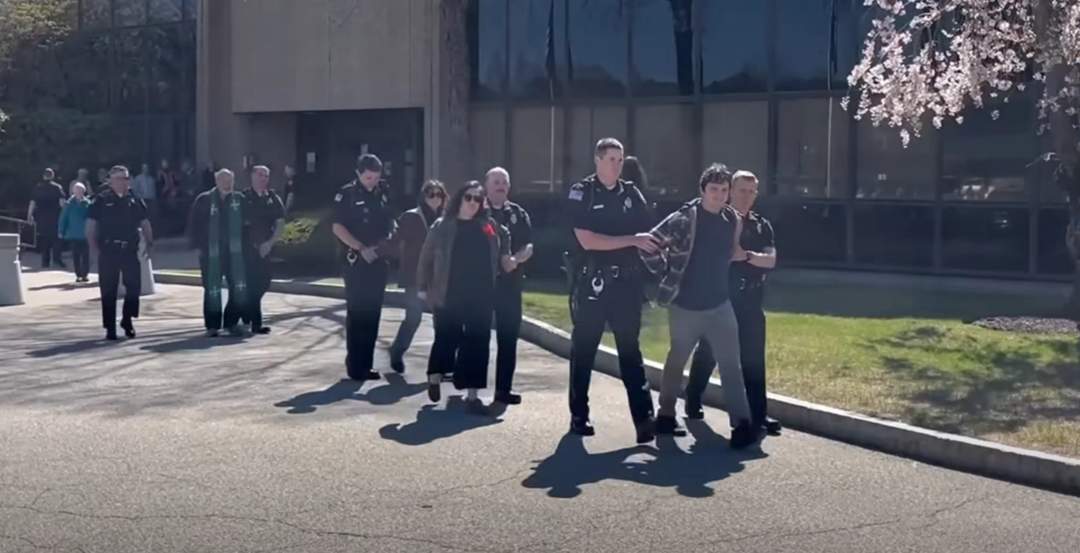
In October 2025, Immigration and Customs Enforcement agents in Woodburn, Oregon — a small agricultural city south of Portland — followed a van carrying farmworkers to work. They smashed the vehicle's windows. They detained all seven occupants. One officer used a facial recognition app called Mobile Fortify to scan a detained worker before transferring her to a detention center in Washington State. She was later released. She was in the country legally.
This is not an anomaly. It is the documented reality of how ICE operates in Oregon — a state that has spent years building legal protections for immigrant communities, only to watch federal enforcement overwhelm those protections with surveillance technology, arrest quotas, and courtroom-obstructing tactics that civil rights attorneys describe as unconstitutional.
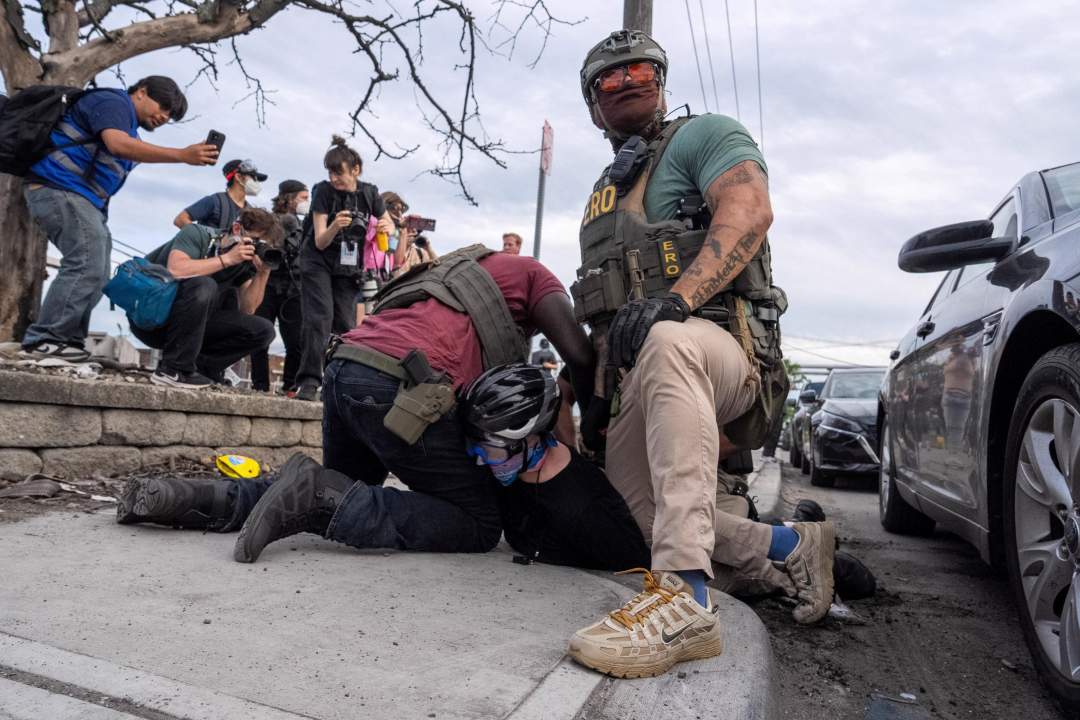
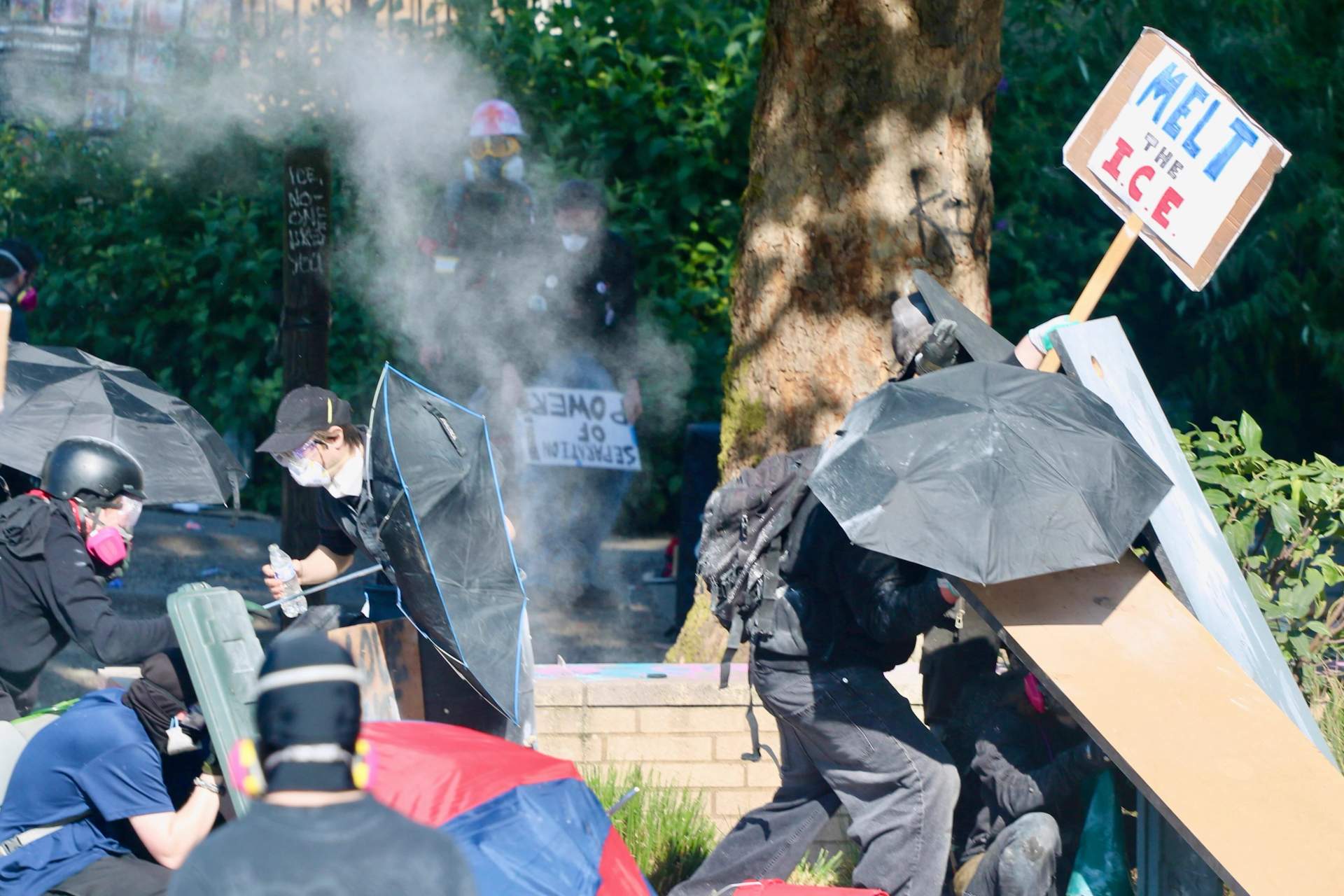
Protesters facing federal law enforcement outside ICE detention facility in Portland, Oregon with crowds and police vehicles
Operation Black Rose and the Quota System
The Woodborn raid was part of a federal campaign known internally as Operation Black Rose, which focused on the Portland metropolitan area. By mid-December 2025, the operation had produced more than 1,200 arrests according to Department of Homeland Security data.
But the scale of those arrests is only half the story. The other half emerged in December 2025 during hearings for a class-action lawsuit filed by the immigrant rights organization Innovation Law Lab. For the first time, federal ICE agents were compelled to testify under oath about their internal practices.
An agent identified only as "JB" told the court that his team of 9 to 12 officers received a verbal order to make eight arrests per day during operations in Oregon. When asked if he met the quota, he replied: "I made as many arrests as I could, as long as it was lawful."
Stephen Manning, executive director of Innovation Law Lab and one of the attorneys behind the lawsuit, put it bluntly: "The law is an impediment to the quotas."
The testimony also revealed for the first time the use of an app called Elite — described as "similar to Google Maps" — that shows estimated concentrations of people with an "immigration nexus" in specific areas. The agent acknowledged the data is unreliable: "The app could say 100%, and it's wrong. The person doesn't live there. And so it's not accurate."
Federal Judge Mustafa Kasubhai criticized the tactics, noting that tools like Elite could generate inaccurate information and lead to the detention of people in the country legally — exactly what happened in Woodburn.
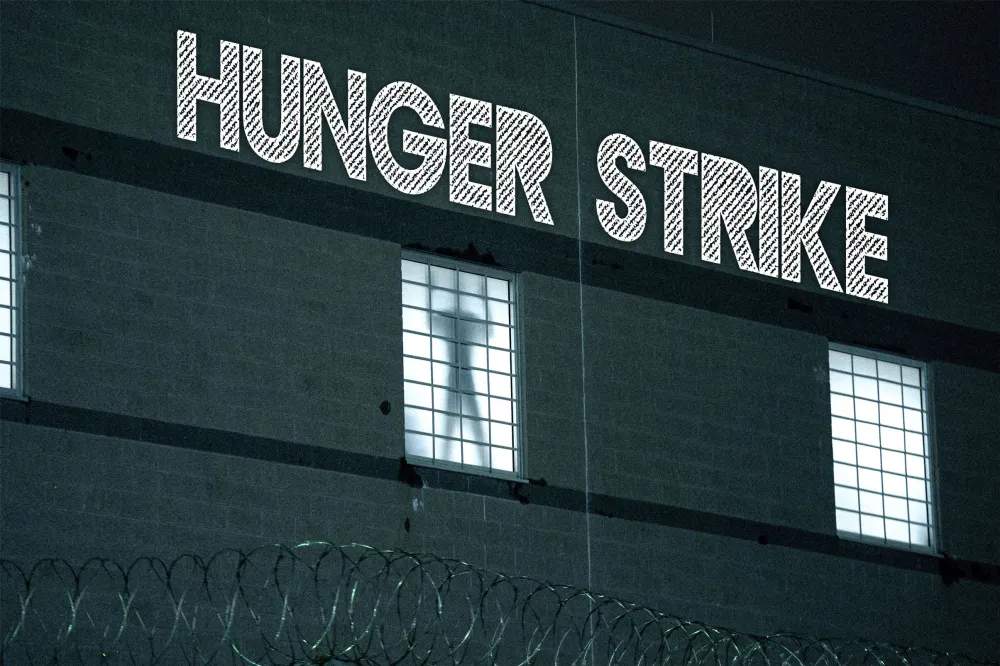
For more on the detention system and the people it crushes, see our reporting on the siege of Delaney Hall and the hunger strike inside ICE detention.
The Numbers: A Surge in Enforcement
The University of Washington's Center for Human Rights analyzed ICE forms used to initiate deportation proceedings and found that Oregon recorded 1,655 immigration arrests in 2025 — more than the previous three years combined.
The acceleration was concentrated in the final months of the year. Between January and September 2025, monthly detentions in Oregon remained below 100. In October and November, they exceeded 400 per month. OPB reported that in some Portland-area counties, arrests skyrocketed by more than 600% after President Trump described the city as "war-torn."
Phil Neff, the university center's research coordinator, said researchers were "frankly blown away by the scale of the arrests in the Portland area from October to December."
But the wave of federal enforcement has not been confined to Portland. Central Oregon — the state's rural heartland, home to agricultural communities with significant immigrant populations — has been a consistent flashpoint.
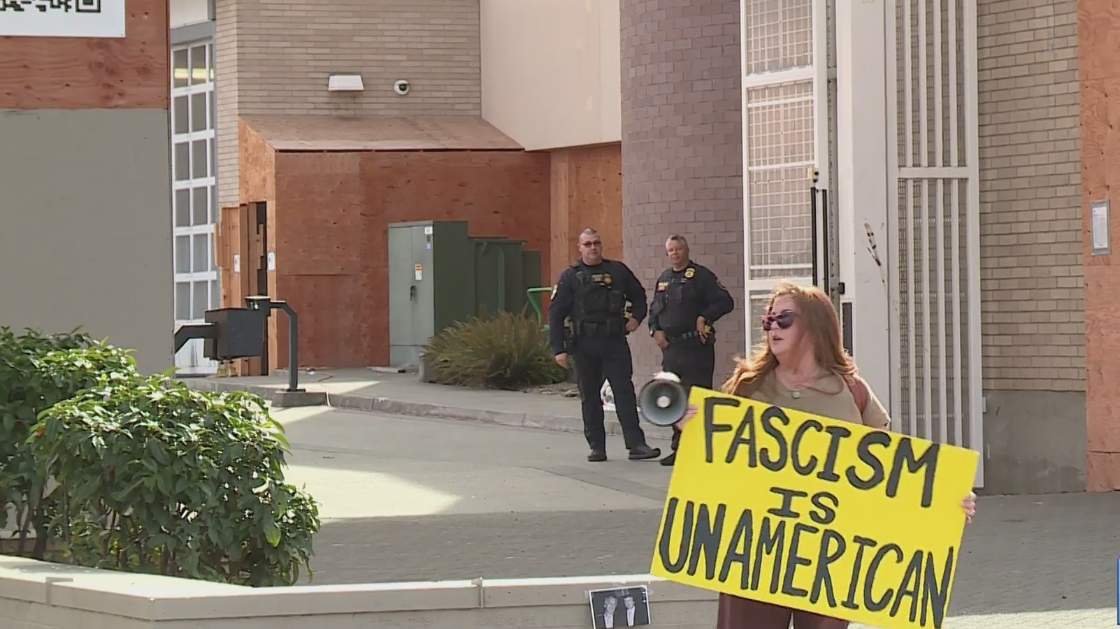
Protesters gathered outside ICE detention facility holding signs in Portland Oregon
Central Oregon: Federal Violence on Main Street
Central Oregon has seen ICE activity spike across Bend, Redmond, Madras, and Prineville throughout 2025 and into 2026. The 50501 movement — a grassroots network that organized nationwide protests against authoritarian governance — mobilized the region in response.
On April 25, 2026, the 50501 movement organized "ICE Out For Good" protests across Central Oregon — Bend, Redmond, La Pine, and Prineville — triggered by ICE shootings in Minneapolis that killed Renée Good, a mother of three, and separate shootings in Portland. In January 2026, during earlier waves of enforcement, more than 500 people turned out in Bend alone to protest ICE operations.
The pattern is consistent: federal enforcement escalates, community resistance mobilizes, and the legal system lags behind both. Oregon's sanctuary state laws were supposed to prevent exactly this kind of dragnet enforcement. They have not.
In February 2026, a federal judge issued a preliminary injunction barring warrantless ICE arrests in Oregon unless there is probable cause that someone is likely to flee — a significant but limited restriction that ICE agents have reportedly continued to test. Representative Janelle Bynum has been pressing ICE for answers about targeted raids in Central Oregon, but the agency's opacity has made accountability nearly impossible.
The Technology of Deportation
The ICE raids in Oregon are not just a story of boots on the ground. They are a story of surveillance infrastructure.
The Elite app — the probability-mapping tool revealed in court testimony — represents a new frontier in immigration enforcement: algorithmic targeting that treats geographic data as a substitute for individualized suspicion. The Mobile Fortify facial recognition app, used in the Woodburn operation, adds biometric surveillance to the mix.
Neither tool has been subject to independent audit for accuracy or bias. Both were used to justify detaining people who turned out to have legal status. The combination of quotas, unreliable technology, and agents under pressure to produce numbers creates a predictable outcome: wrongful detentions, terrorized communities, and a legal system struggling to keep up.
Federal data, researchers warn, likely undercounts the actual number of arrests. The records analyzed by the University of Washington reflect only a fraction of all ICE detentions — the forms used to formally initiate deportation proceedings. Encounters that do not result in formal charges, or that are resolved through release, may not appear in the data at all.
Resistance and What It Demands
The community response in Oregon has been sustained and cross-regional. The 50501 movement's April protests demonstrated that immigrant rights are not a Portland-specific issue — rural communities with agricultural economies understand acutely that ICE raids do not distinguish between documented and undocumented workers. They terrorize everyone.
Innovation Law Lab's lawsuit continues to move through the courts. The legal questions are significant: do ICE arrest quotas constitute an unconstitutional pressure on agents to violate Fourth Amendment protections? Does algorithmic targeting without individualized suspicion meet constitutional standards for detention?
The answers will shape enforcement in Oregon and beyond. But the broader question is political: will state-level protections survive a federal government determined to override them?
Oregon's sanctuary laws were a start. Central Oregon's 50501 protests showed that community resistance is real. The preliminary injunction on warrantless arrests showed that the courts can impose limits. But ICE agents in Oregon still have quotas, still use unreliable surveillance technology, and still operate with a level of impunity that state law was designed to prevent.
The fight in Oregon is a microcosm of the national fight over immigration enforcement: federal power versus community self-determination, surveillance technology versus civil liberties, quotas versus the Fourth Amendment. In Central Oregon, that fight is happening on Main Street — in farmworker vans, outside churches, at community centers where people go for help.
For more on how state authority is weaponized against targeted communities, see our report on the courts that said they were free but ICE disagreed and how Mississippi uses state power against minorities.
Sources & Methodology(6 sources)
- NPR — ICE Can't Make Warrantless Arrests in OregonVideo / Audio
- 50501 Movement — ICE Activity by StateNews Article
- CNN — ICE Warrantless Arrests Oregon RulingVideo / Audio
Methodology
Reported using sworn court testimony from Innovation Law Lab v. ICE proceedings, DHS arrest data analyzed by the University of Washington Center for Human Rights, OPB analysis of ICE apprehension forms, and coverage from EL PAÍS, The Guardian, CNN, NPR, and the 50501 Movement. All claims cross-referenced against multiple independent sources.
Filed Under
Frequently Asked Questions
- What did the ICE court testimony reveal?
- Agents testified that they received verbal orders to make eight arrests per day during Oregon operations. They also used an app called Elite to map estimated concentrations of people with 'immigration nexus' — data the agent acknowledged was unreliable — and a facial recognition app called Mobile Fortify.
- How many ICE arrests were there in Oregon in 2025?
- Oregon recorded 1,655 immigration arrests in 2025 — more than the previous three years combined. Arrests spiked dramatically in October-November 2025, exceeding 400 per month, with some Portland-area counties seeing 600% increases.
- What legal protections does Oregon have against ICE raids?
- Oregon is a sanctuary state, but federal enforcement has overwhelmed state protections. In February 2026, a federal judge issued a preliminary injunction barring warrantless ICE arrests unless there is probable cause that someone is likely to flee — a significant but limited restriction.
- What was Operation Black Rose?
- A federal ICE campaign focused on the Portland metropolitan area that produced more than 1,200 arrests by mid-December 2025. It included the Woodburn operation where officers smashed a farmworker van's windows and detained seven people, one of whom was later released as she was in the country legally.