Mossad Slogan
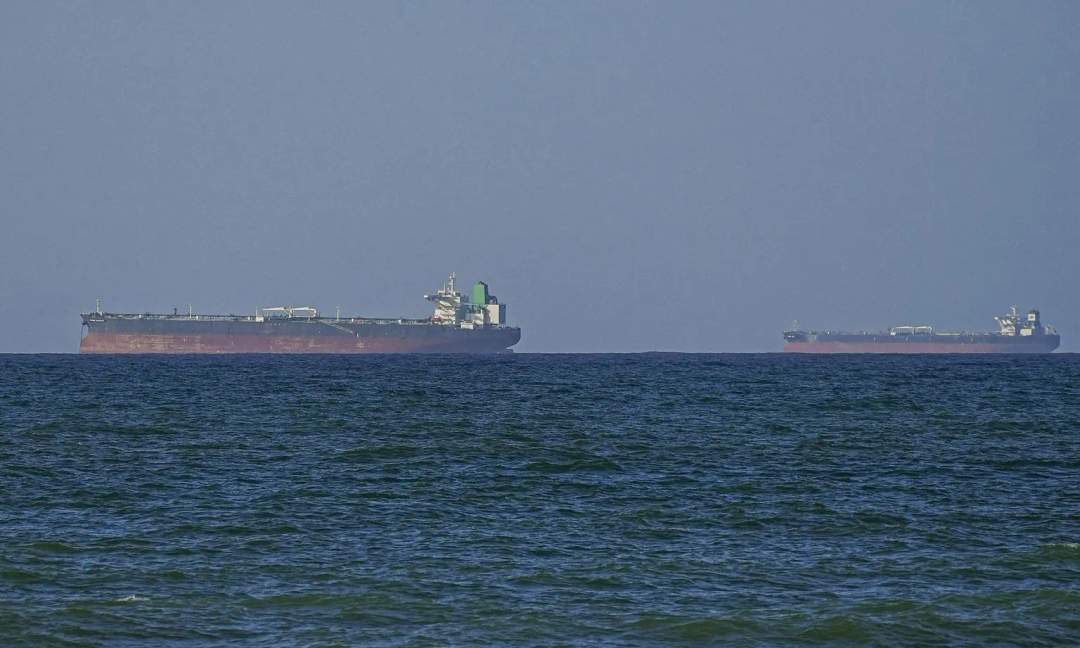
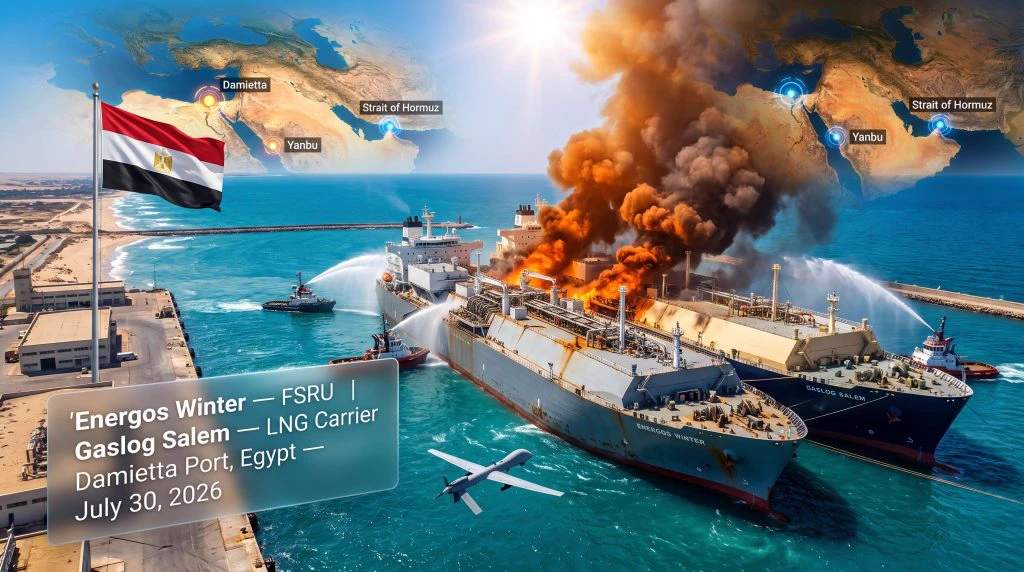
On Wednesday, July 29, a drone struck the Energos Winter, a U.S.-owned liquefied natural gas vessel docked at Egypt's Mediterranean port of Damietta. The blast triggered a fire that spread to a second tanker, the GasLog Salem, alongside it. No fatalities were reported. No group claimed responsibility. And within hours, the Iranian Foreign Minister was on X calling it exactly what it looks like — an Israeli false flag operation designed to drag Egypt into a wider war.
The Strike on Damietta
The attack hit the Port of Damietta, a liquefied natural gas hub in Egypt's northern Nile Delta, not far from the Suez Canal — the most critical shipping chokepoint in the world. The Energos Winter, a floating storage and regasification unit, was damaged along with the GasLog Salem, an LNG tanker. Egyptian Cabinet officials confirmed that preliminary investigations determined the fire was caused by a drone strike, though Egyptian authorities stopped short of attributing the attack to any specific actor.
This is not a minor incident. Damietta sits at the mouth of a waterway that handles roughly 12% of global trade. With the Red Sea already paralyzed by Houthi attacks and the Strait of Hormuz in crisis since the U.S.-Iran war erupted in June, the Suez Canal is the last functional route for energy shipments between the Middle East and Europe. A successful attack on a major energy facility at Damietta would send shockwaves through global energy markets and provide a pretext for expanding the conflict into Egyptian territory.
The Araghchi Statement
Iranian Foreign Minister Seyed Abbas Araghchi responded to the attack on X with characteristic bluntness. "Egypt is an important friend and partner in the region," he wrote, "and its security is of utmost importance to us." He then directly accused Israel: "We must all be vigilant against Israeli plots and false-flag operations designed to undermine regional peace."
The statement is significant. Iran and Egypt have been working to rebuild diplomatic relations after years of estrangement. Cairo has positioned itself as a mediator in the regional conflicts, and Tehran has no strategic interest in alienating Egypt — particularly not by attacking Egyptian infrastructure. Araghchi's framing — that this was an Israeli operation, not an Iranian one — is consistent with Iran's geopolitical calculus: why would Tehran sabotage its own diplomatic overtures to Cairo?
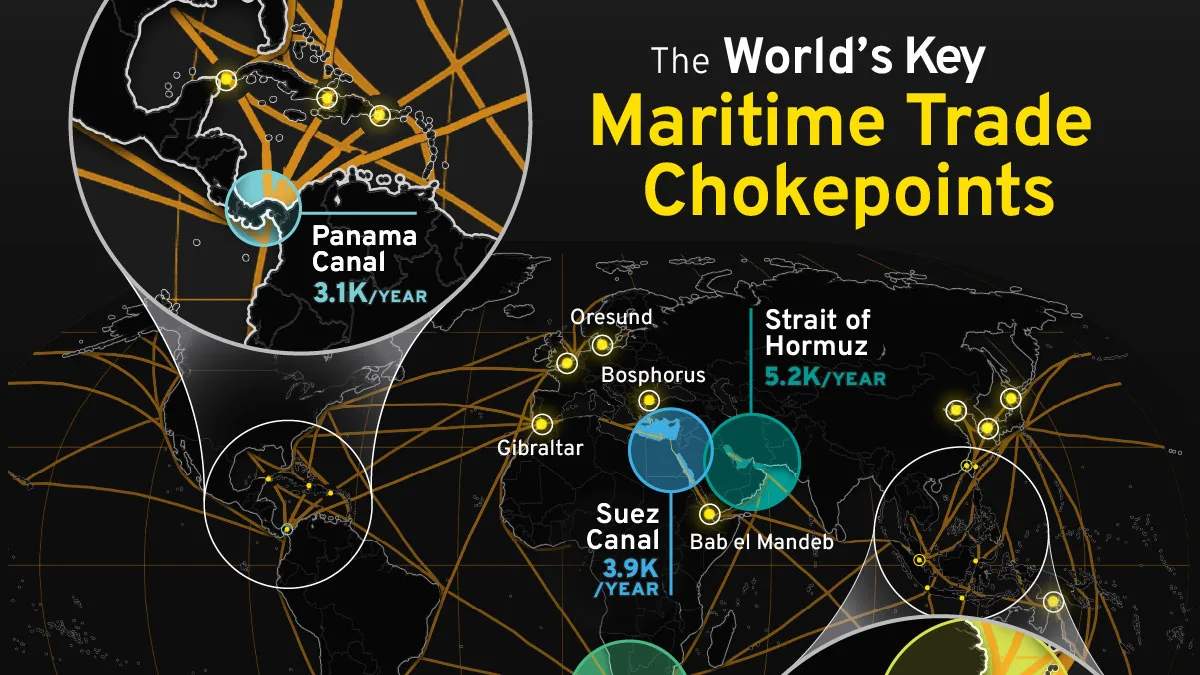
Infographic map showing global maritime shipping routes and strategic chokepoints highlighted in red
The Caspian Sea Connection
The context matters. Two days before the Damietta attack, on Saturday July 25, Ukrainian drones struck an Iranian-flagged cargo vessel in the Caspian Sea, killing at least one Iranian sailor. Iran said the ship was carrying civilian cargo; Ukraine said it was transporting military equipment destined for Russia. Iran threatened retaliation, and Iranian state television explicitly named Damietta as a possible target for reprisals against "Ukrainian interests."
That detail — Iranian state TV naming Damietta two days before the attack — is the element that Western media immediately seized on to link the drone strike to Iran. And on its surface, the timeline is damning: Iran names the target, Iran's ships get hit in the Caspian, then Damietta gets hit. Case closed, right?
Not so fast. As Araghchi himself pointed out, that very public naming of Damietta is precisely what makes the Iranian attribution suspicious. If Iran were going to conduct a covert drone strike on Egyptian soil, would its state television announce the target in advance? Or does that announcement look more like someone laying the groundwork for a false narrative — creating the "Iran did it" story before the strike even happened?
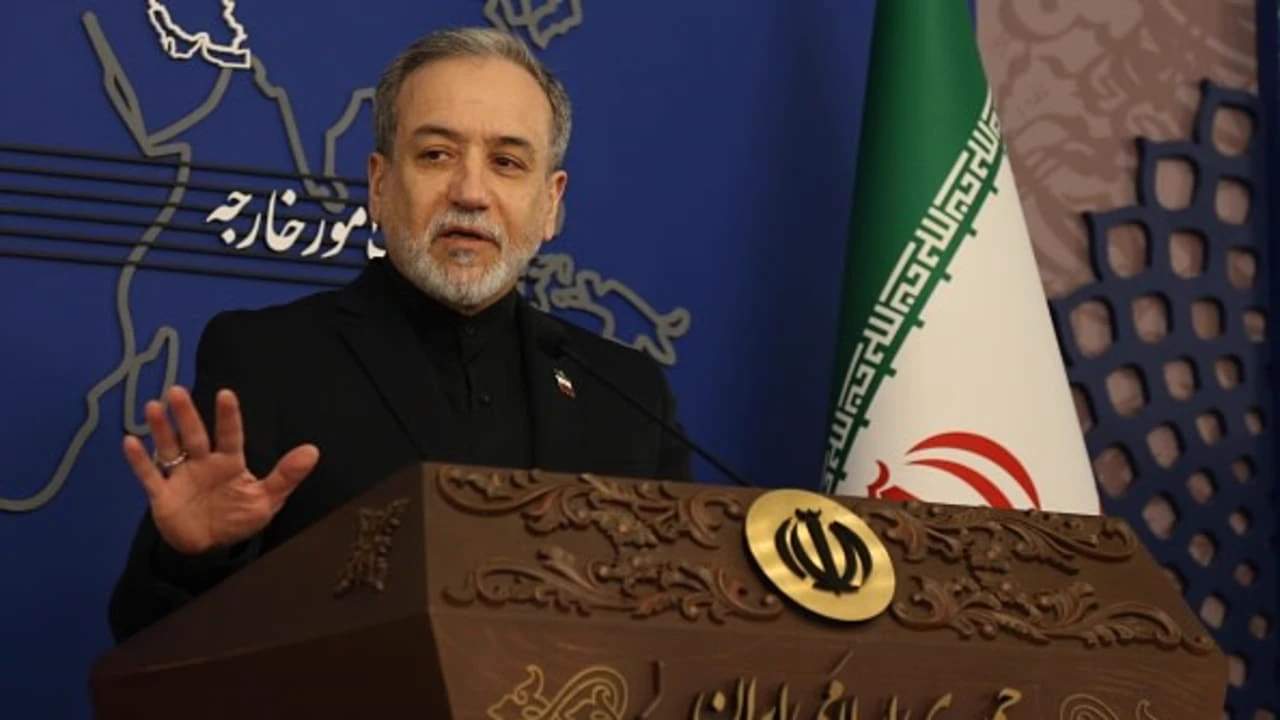
Iranian Foreign Minister Seyed Abbas Araghchi speaking at a podium during a press conference
Israel's Motive: Dragging Egypt In
Israel has spent months trying to expand the conflict beyond its direct confrontation with Iran. Egyptian territory has been a persistent target of Israeli strategic calculations — not because Egypt is an enemy, but because bringing Egypt into the fighting would fracture the Arab world's remaining diplomatic leverage, justify broader U.S. military involvement, and create the regional conflagration that Netanyahu's government has used to justify its ongoing genocide in Gaza — a campaign of erasure that we have documented extensively, from the destruction of civilian infrastructure to the systematic annexation of Palestinian territory.
The Suez Canal is the leverage point. If Egypt is perceived as unable to protect shipping through its own territory, the pressure on Cairo to allow foreign military forces — read: American and Israeli — into the Sinai and along the canal would be immense. An attack on an LNG facility at Damietta, blamed on Iran or its proxies, would accelerate exactly that pressure.
This is not speculation. Israel has a documented history of false flag operations and covert attacks designed to shape the strategic environment. From the Lavon Affair in 1954 — when Israeli agents bombed Western targets in Egypt in a failed attempt to blame Egyptian nationalists — to the repeated attacks on UN peacekeepers in southern Lebanon, Israel has consistently used covert violence to manufacture the pretexts it needs for escalation. As we noted in our investigation into the Paramilitary Behind the Pogroms, Israeli state violence doesn't always wear a uniform — and the same apparatus that arms settlers in the West Bank is capable of staging covert operations across borders.
The Unknown Perpetrator
The truth is, we don't know with certainty who launched the drone that hit Damietta. What we know is this:
The attack damaged two vessels at one of the most sensitive energy hubs on the Mediterranean. No one claimed it. Iran had publicly named Damietta as a target two days earlier — a detail that could be evidence of Iranian planning, or evidence of someone else laying the groundwork for a convenient attribution. Iran's top diplomat immediately called it an Israeli false flag — and his reasoning is sound: Iran has nothing to gain from attacking Egypt and everything to gain from maintaining its diplomatic offensive with Cairo. Israel has everything to gain from expanding the war.
The drone that hit Damietta may have been Iranian. But the pattern — the unclaimed strike, the pre-positioned attribution, the target that serves Israeli strategic interests far more than Iranian ones — should make every observer skeptical of the easy narrative.
What Comes Next
Egypt finds itself in an impossible position. The attack on Damietta — the first strike on Egyptian soil since the U.S.-Iran war began — demonstrates that the conflict is metastasizing beyond the Gulf and the Red Sea, just as we warned when the ceasefire collapsed and Israel struck Iran in June. Cairo cannot afford to be seen as unable to protect its own territory, but it also cannot afford to be drawn into a war it has spent years trying to avoid.
If Israel intended the Damietta strike to pressure Egypt into choosing a side, it may have miscalculated. Egypt's response has been measured: condemn the attack, investigate, but resist the urge to point fingers at Iran based on evidence that could just as easily point the other direction.
Cairo knows the game. And Araghchi's public accusation — that this was an Israeli false flag — may have been exactly what Egypt needed to hear to keep its options open without capitulating to the pressure.
Sources & Methodology(13 sources)
Methodology
Reported using coverage from CNBC, the New York Times, Euronews, The War Zone, Anadolu Agency, ZeroHedge, Ynet News, Reuters, BBC, Al Jazeera, The Media Line, Sudan Tribune, and Windward maritime intelligence.
Filed Under
Frequently Asked Questions
- What happened at Damietta port?
- A drone struck the Energos Winter, a U.S.-owned LNG vessel docked at Egypt's Port of Damietta on July 29, 2026. The fire spread to a second tanker, the GasLog Salem. No fatalities were reported and no group claimed responsibility.
- Why does Iran blame Israel for the attack?
- Iranian Foreign Minister Araghchi stated that Iran has been rebuilding relations with Egypt and has no interest in attacking Egyptian territory. He accused Israel of conducting a false flag operation designed to undermine regional peace and drag Egypt into the wider conflict.
- What is the connection to the Caspian Sea attack?
- Two days before the Damietta strike, Ukrainian drones hit an Iranian cargo vessel in the Caspian Sea, killing an Iranian sailor. Iranian state television named Damietta as a possible retaliation target — which Western media cited as evidence of Iranian involvement, but which Araghchi argues is evidence of a pre-planned false narrative.
- Why does the Suez Canal matter in this context?
- With the Red Sea paralyzed by Houthi attacks and the Strait of Hormuz in crisis since the U.S.-Iran war, the Suez Canal is the last functional route for energy shipments between the Middle East and Europe. An attack on infrastructure near the canal threatens global shipping and could be used to justify foreign military intervention in Egypt.