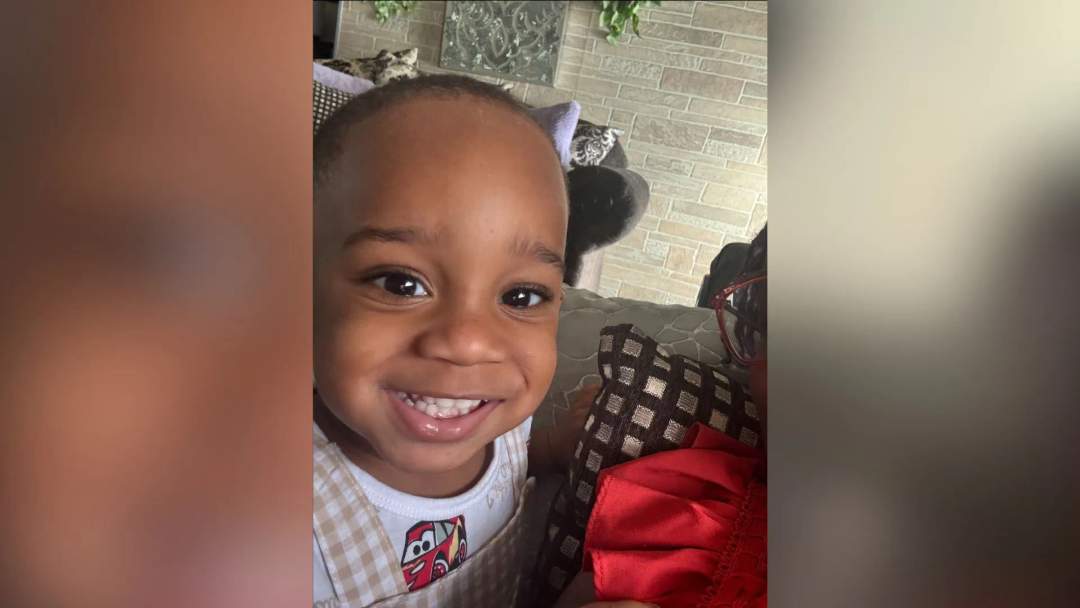
JACKSON, Mississippi — Five days after the body of Tasia Fortune, a 29-year-old Black woman, was found hanging from a tree behind a vacant home in Mississippi's capital city, the Jackson Police Department has released almost nothing about how she died or who may be responsible.
Neighbors discovered Fortune's body hanging in the backyard of an abandoned house on the 500 block of Road of Remembrance at approximately 9:05 PM on Monday, August 3. It remains unclear how long her body had been there before someone called police. The Jackson Fire Department used a ladder truck to bring her down from the tree.
Hinds County Coroner Jeremiah Howard publicly identified Fortune on Thursday, August 6 — three days after her body was found. Howard confirmed the body was sent to the Mississippi State Medical Examiner's Office for an autopsy to determine cause and manner of death. Those results have not been released.
JPD has not said whether it suspects foul play, identified any persons of interest, or provided any timeline beyond the initial discovery. The department has not held a press conference.
A City Councilman Goes Over JPD's Head
Ward 3 City Councilman Kenneth Stokes isn't waiting for JPD to explain itself. On August 5 — two days after Fortune's body was found, and before she was even publicly identified — Stokes sent a formal letter to U.S. Attorney Baxter Kruger of the Southern District of Mississippi requesting federal intervention in the case.
"We are in dire need of the assistance of the U.S. Attorney's office with the death of an unidentified female discovered hanging in the back yard of an abandoned house on the Road of Remembrance in Jackson, Mississippi. We especially are in need of the following details: by whom she was murdered, the motive for her murder, the confirmed name of the deceased, her permanent address, as well as other pertinent information."
— Councilman Kenneth Stokes, Ward 3
Stokes explicitly called the death a murder in his letter. He CC'd JPD Chief RaShell Brackney — meaning the department's own leadership was notified that a sitting councilman was bypassing them to ask federal prosecutors for help. Stokes also stated that given Mississippi's history of lynching, public officials across the city need to say that this is unacceptable, regardless of whether a racial element is established.
It is a remarkable document. A local elected official — a Black city councilman in the state with the most documented lynchings in American history — felt compelled to appeal directly to federal law enforcement because he does not trust his own police department to investigate the hanging death of a Black woman in his ward.
Stokes was blunt in an interview with reporters:
"Hanging is an activity, a crime, that should never be an issue of being accepted by the public. Hanging must never be an acceptable behavior. Whether you're talking about someone white hanging somebody Black, somebody Black hanging somebody white, or somebody Black hanging somebody Black. It's wrong. It's bad."
— Councilman Kenneth Stokes, Ward 3
This Is Not Mississippi's First Tree-Hanging Death This Year
Tasia Fortune's death does not exist in isolation. It is part of a pattern that has gripped Mississippi and the broader South — Black people found hanging from trees, investigations that stall, and families left without answers.
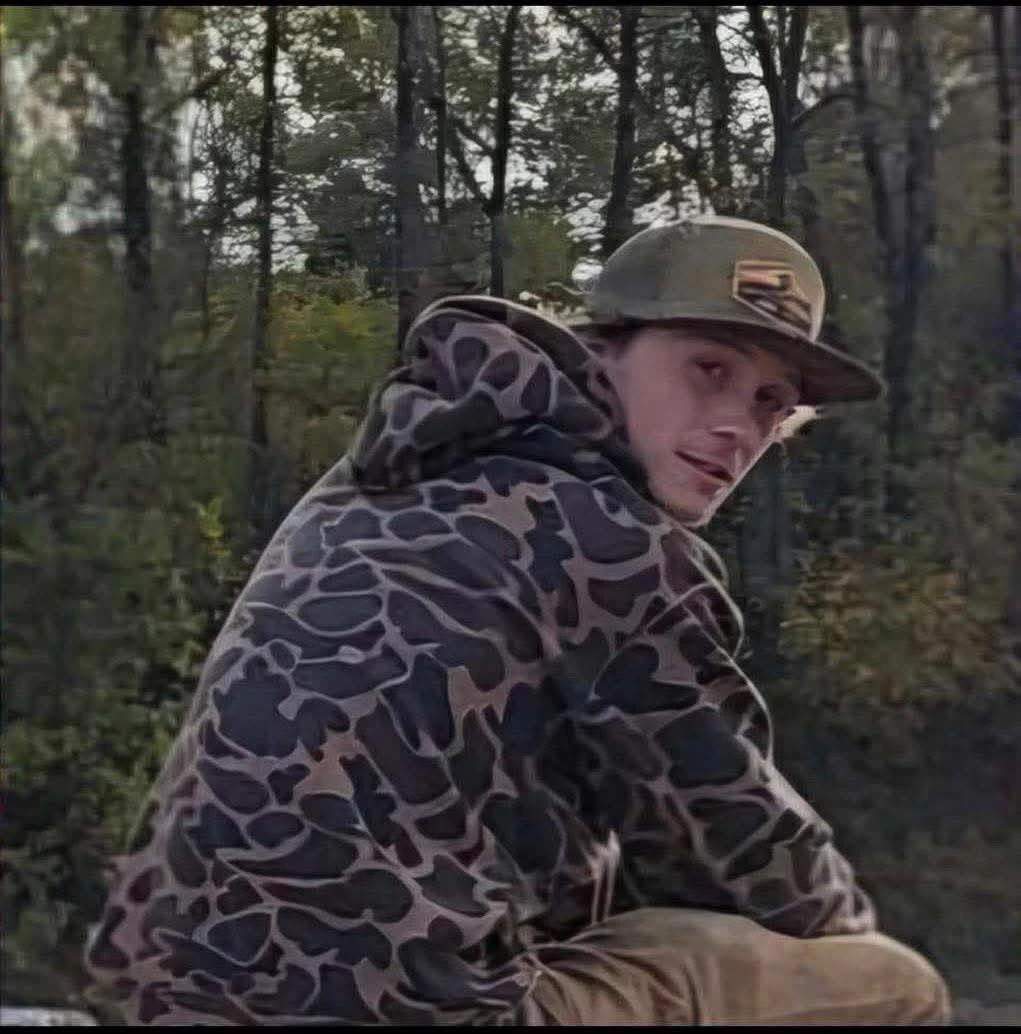
Nolan Wells, an 18-year-old Black man from Ocean Springs, was found dead on Horn Island off the Mississippi Gulf Coast on July 6, two days after he traveled there with friends for a July 4 beach trip. An independent autopsy funded by Colin Kaepernick's Know Your Rights Foundation and performed by Dr. Roger A. Mitchell, president of the National Medical Association, found his cause and manner of death undetermined. The autopsy identified a "focal area of red discoloration in the soft tissue of the back of the head, occipital region" that the pathologist called significant enough to warrant further investigation. The Mississippi Medical Examiner's Office retained Wells' neck structures — his trachea and hyoid bone — making a full independent review impossible. Official autopsy results and toxicology have still not been released. Civil rights attorney Ben Crump is representing Wells' family.
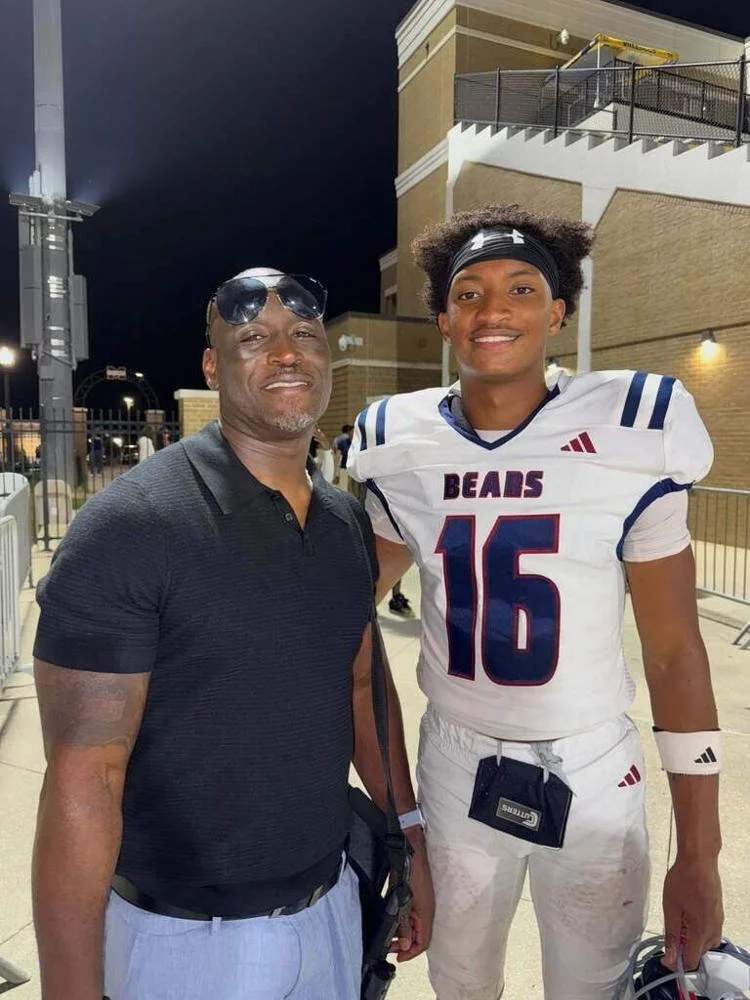
Nolan Wells, 18, found dead on Horn Island, Mississippi in July 2026
Mississippi has a documented pattern of stonewalling investigations into the deaths of Black residents.
De'Martravion "Trey" Reed, a 21-year-old Black student at Delta State University in Cleveland, Mississippi, was found hanging from a tree on campus in September 2025. The Mississippi State Medical Examiner ruled his death a suicide, finding no evidence of foul play. His family retained Ben Crump to pursue an independent investigation. The family says Crump stopped returning their calls in January 2026 and never shared the final independent autopsy results. His girlfriend reportedly received text messages from his phone the night before his body was found in which he threatened to hang himself — but the family still has questions about the circumstances.
On the same day Reed was found, police in Vicksburg, Mississippi found Cory Zukatis, a homeless white man whose dog had recently been taken from him, hanging from a tree. Authorities ruled his death a suicide. Misinformation spread falsely connecting the cases by claiming Zukatis was also Black.
And Mississippi is not alone. Across the country in 2026, at least six other Black people have been found hanging from trees:
- Kyle Bassinga — Cobb County, Georgia
- Juliana Umba Nzita — found hanging, circumstances under investigation
- To'Nea Nicole Miller — Miami-Dade County, Florida. Her sister disputes the sheriff's suicide conclusion
- Justice Kai James — Albany, Georgia (June 2026). Her family is demanding answers
- Jerard "Jay" Jackson — found hanging, questions mounting
Outside a music festival in the woods, we documented how the familiar script plays out: a body found, an immediate push toward a suicide ruling, a family's disbelief, and an investigation that never produces answers. In case after case, the same institutions tasked with investigating these deaths are the ones with every motive to close them quickly.
The Soil That Drank Their Blood
Mississippi lynched more Black people than any other state in America. 576 documented lynchings occurred in Mississippi between 1877 and 1950, according to the Equal Justice Initiative. That is the documented number. The actual number is certainly higher. These were not secrets — they were public spectacles, often advertised in advance, attended by crowds, photographed and turned into postcards. They were a system of racial terror designed to maintain white supremacy through the collective punishment of Black bodies.
The names are etched into American history, but they belong to Mississippi's soil:
Emmett Till was 14 years old when he was abducted, tortured, and lynched in Money, Mississippi in August 1955, after being accused of whistling at a white woman, Carolyn Bryant. His killers — Roy Bryant and J.W. Milam — were acquitted by an all-white jury in 67 minutes. They later admitted to the murder in Look magazine, protected by double jeopardy. Till's mother, Mamie Till-Mobley, insisted on an open casket funeral so the world could see what Mississippi did to her son. It did.
Medgar Evers, the NAACP's first field secretary in Mississippi, was assassinated in the driveway of his Jackson home on June 12, 1963 — just blocks from where Tasia Fortune's body was found. Evers had spent years investigating racial violence, including Till's lynching. A Ku Klux Klan member, Byron De La Beckwith, was tried twice before all-white juries that deadlocked. He was not convicted until 1994 — more than 30 years after the murder. Evers was killed in Jackson. The city where a Black woman hung from a tree this week.
Mack Charles Parker, a 23-year-old Black Army veteran and truck driver, was abducted from his jail cell in Poplarville, Mississippi on April 24, 1959 — three days before he was scheduled to stand trial on a fabricated rape charge. A hooded mob of white men, reportedly with the help of the jailer, dragged Parker from his cell, beat him, shot him, and threw his body into the Pearl River. No one was ever prosecuted. It was one of the last documented lynchings of the civil rights era.
Vernon Dahmer, a Black businessman and NAACP leader in Hattiesburg, was firebombed by the Klan in January 1966 for helping Black residents register to vote. Dahmer held off the Klansmen with a shotgun while his family escaped. He died the next day from severe burns. Klan leader Sam Bowers was finally convicted in 1998 — 32 years later.
Rev. George W. Lee, a Black minister and voting rights activist in Belzoni, Mississippi, was shot and killed on his doorstep in May 1955 for organizing Black voter registration. No one was ever charged.
In 2011, federal Judge Carlton Reeves — himself a Black Mississippian — sentenced three white men for the 2011 murder of a Black man in Jackson, telling them: "Mississippi soil has been stained with the blood of folk whose names have become synonymous with the Civil Rights Movement like Emmett Till, Willie McGee, James Chaney, Andrew Goodman, Michael Schwerner, Vernon Dahmer, George W. Lee, Medgar Evers and Mack Charles Parker."
That history is not ancient. It is living memory for Black Mississippians. Medgar Evers was murdered in Jackson. Emmett Till was killed 90 miles from the capital. Vernon Dahmer died 32 years before his killer faced justice. The institutions that enabled these killings — police departments, courts, all-white juries, the indifference of federal prosecutors — are the same institutions now tasked with investigating Tasia Fortune's death.
Councilman Stokes invoked that history directly when he wrote to the U.S. Attorney. The refusal to acknowledge that weight when a Black woman is found hanging from a tree in a predominantly Black neighborhood in the state capital is itself a form of violence.
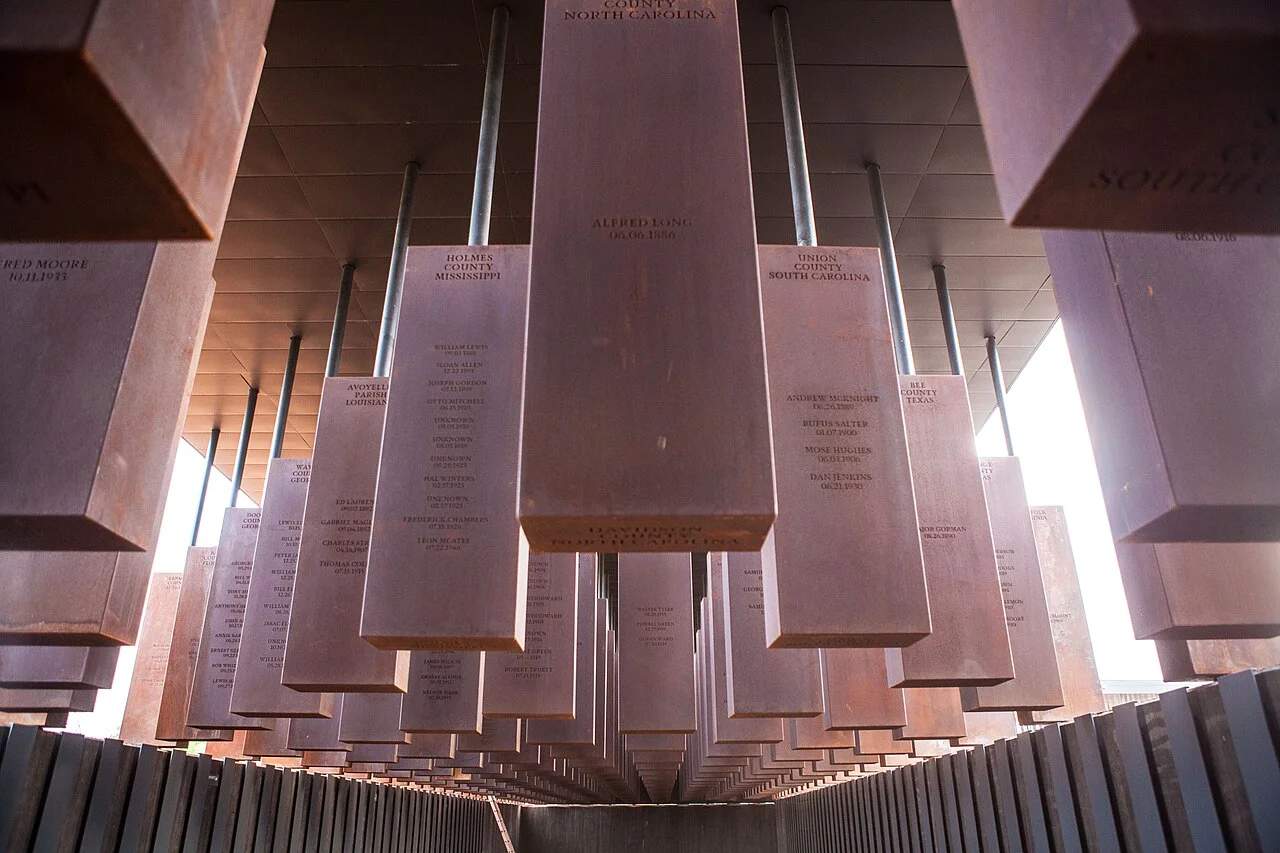
National Memorial for Peace and Justice in Montgomery, Alabama documenting lynchings
A Family Demands Justice
Fortune's aunt, Etta Avolio, launched a GoFundMe to help bring her niece home and cover burial expenses. The fundraiser, which had raised over $1,600 toward a $3,000 goal as of Thursday, describes Fortune in the family's own words:
"Tasia Fortune was a beloved daughter, sister, and friend whose passing has left her family devastated and heartbroken. Tasia was a strong-minded, big-hearted, vibrant young woman whose life was taken at just twenty-nine years old. Her loss has deeply shaken everyone who knew and loved her."
— Etta Avolio, Fortune's aunt
The funds will be withdrawn by Fortune's mother for final arrangements. Fortune and her sisters frequently traveled between Kentucky and Jackson, suggesting family ties in both states.
Avolio, who confirmed the fundraiser's legitimacy to the Mississippi Free Press, added a direct message from the family:
"The family also wants others to know that justice will be served, and they hold firmly to their faith, believing that God is on their side as they walk through this heartbreaking loss."
— Etta Avolio, Fortune's aunt
The GoFundMe can be found at gofundme.com/f/help-honor-tasia-fortune.
No one from JPD has publicly addressed the family. No public statement from Chief Brackney has been released.
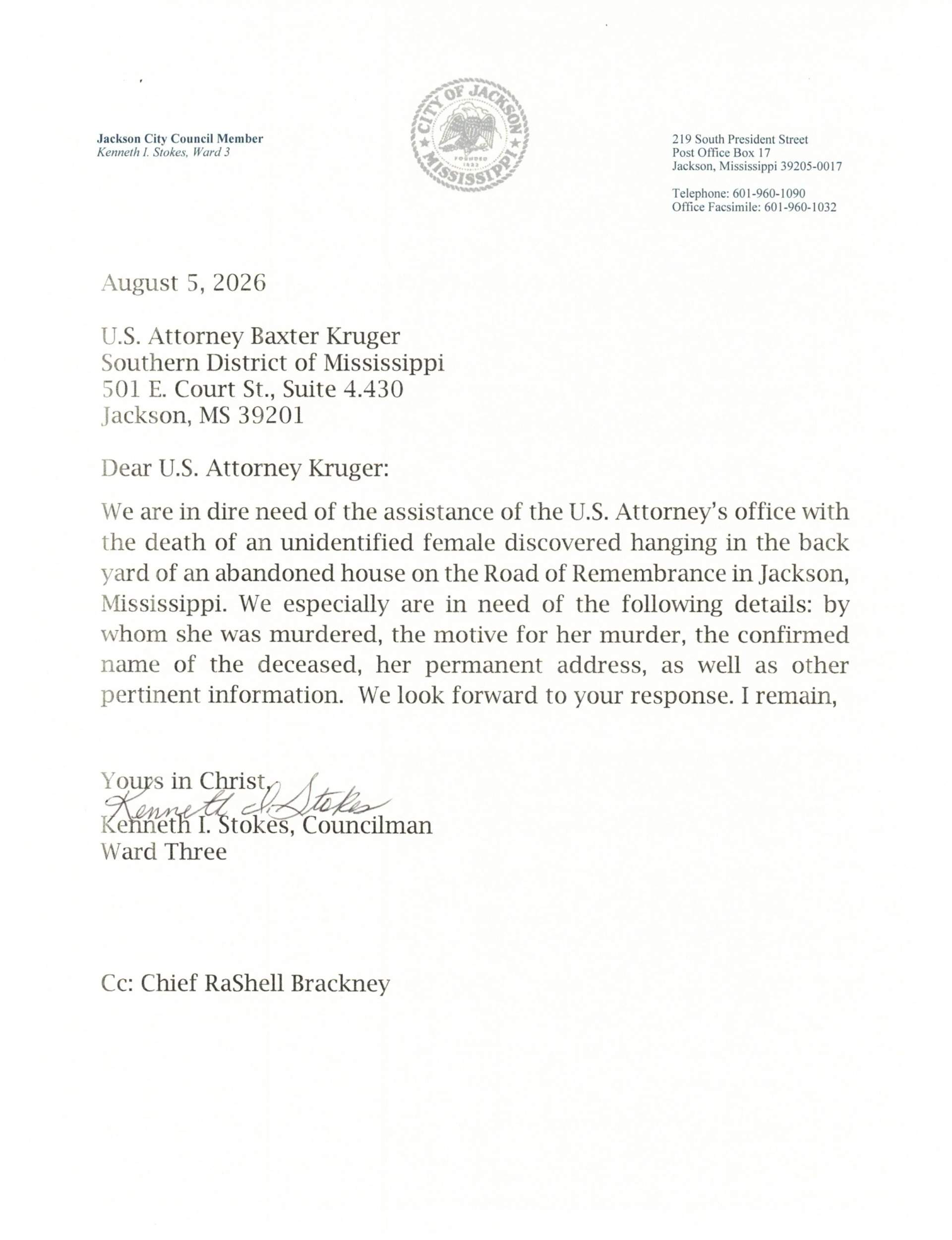
Councilman Kenneth Stokes letter to U.S. Attorney Baxter Kruger requesting federal investigation into Tasia Fortune hanging death
The Answers Are Overdue
The autopsy results from the Mississippi State Medical Examiner's Office will be the next critical piece of information. If the manner of death is ruled suicide, it will trigger the same cycle of family disbelief and demands for independent review that has followed every similar case. If it is ruled undetermined or homicide, the pressure on JPD to produce answers — and on the U.S. Attorney's Office to act on Stokes' letter — will intensify.
UnTelevised Media has filed a public records request with the Jackson Police Department, the Hinds County Coroner's Office, and the Mississippi Bureau of Investigation for all records related to the investigation. We will continue reporting on this case as it develops.
Tasia Fortune was 29 years old. Her name is Tasia Fortune. She deserves answers, and she deserves them now.
Sources & Methodology(17 sources)
Methodology
This article was reported using public records, official statements from the Jackson Police Department and Hinds County Coroner's Office, reporting from the Mississippi Free Press, Clarion Ledger, WAPT, WLBT, and Capital B News, the OCR-transcribed letter from Councilman Kenneth Stokes to U.S. Attorney Baxter Kruger, the family's GoFundMe page, and UnTelevised Media's prior investigative reporting on tree-hanging deaths in Mississippi. A public records request has been filed with JPD, the Hinds County Coroner, and the Mississippi Bureau of Investigation.
Filed Under
Frequently Asked Questions
- Who was Tasia Fortune?
- Tasia Fortune was a 29-year-old Black woman whose body was found hanging from a tree behind a vacant home in the 500 block of Road of Remembrance, Jackson, Mississippi on August 3, 2026. Her family has described her as a strong-minded, big-hearted, vibrant young woman.
- What has the Jackson Police Department said about her death?
- JPD has released minimal information — only that officers located the body of an unidentified Black female at 9:05 PM and that crime scene investigators are working to determine the circumstances. The department has not said whether it suspects foul play, named any suspects, or released cause of death.
- What did City Councilman Kenneth Stokes do?
- On August 5, 2026, two days after Fortune's body was found, Ward 3 Councilman Kenneth Stokes sent a formal letter to U.S. Attorney Baxter Kruger requesting federal assistance. Stokes explicitly called the death a murder and asked for the identity of the killer, the motive, and other details. He CC'd JPD Chief RaShell Brackney.
- Are there other similar cases in Mississippi?
- Yes. Nolan Wells, an 18-year-old Black man, was found dead on Horn Island in July 2026 — an independent autopsy ruled his cause of death undetermined. Trey Reed, a 21-year-old Black student at Delta State University, was found hanging from a tree on campus in September 2025 and his death was ruled a suicide, which his family disputes. Across the US, at least 6 Black people have been found hanging from trees in 2026 alone.
- What is the status of the autopsy?
- The body was transported to the Mississippi State Medical Examiner's Office. Cause and manner of death have not been released as of August 8, 2026. The family has stated they believe justice will be served.