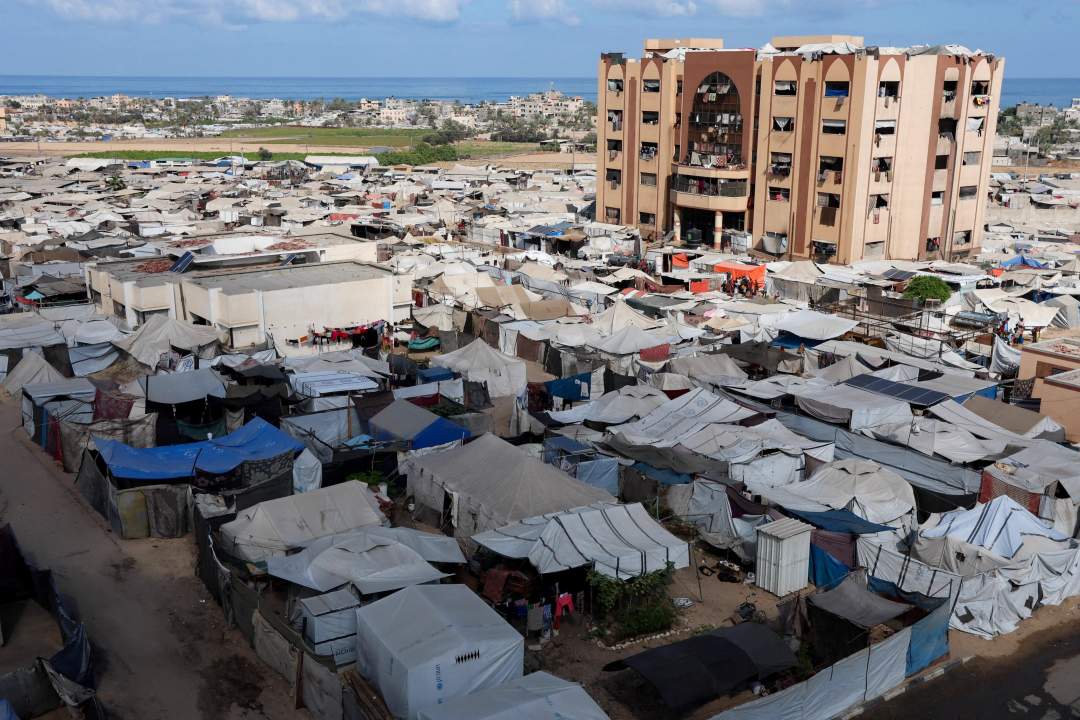
In Khan Yunis, the most densely populated corner of the Gaza Strip, the children are covered in blisters. More than 9,300 suspected cases of chickenpox have been recorded in just two weeks across more than 130 health facilities — and doctors say the real number is almost certainly far higher. Half of all reported cases are concentrated in Khan Yunis, where families shelter almost on top of each other in makeshift tent camps with no clean water, no soap, and no way to isolate a sick child.
In wealthier nations, chickenpox is an unpleasant but manageable childhood illness. In Gaza, it is becoming a crisis engineered by siege.
"We All Live in One Tent"
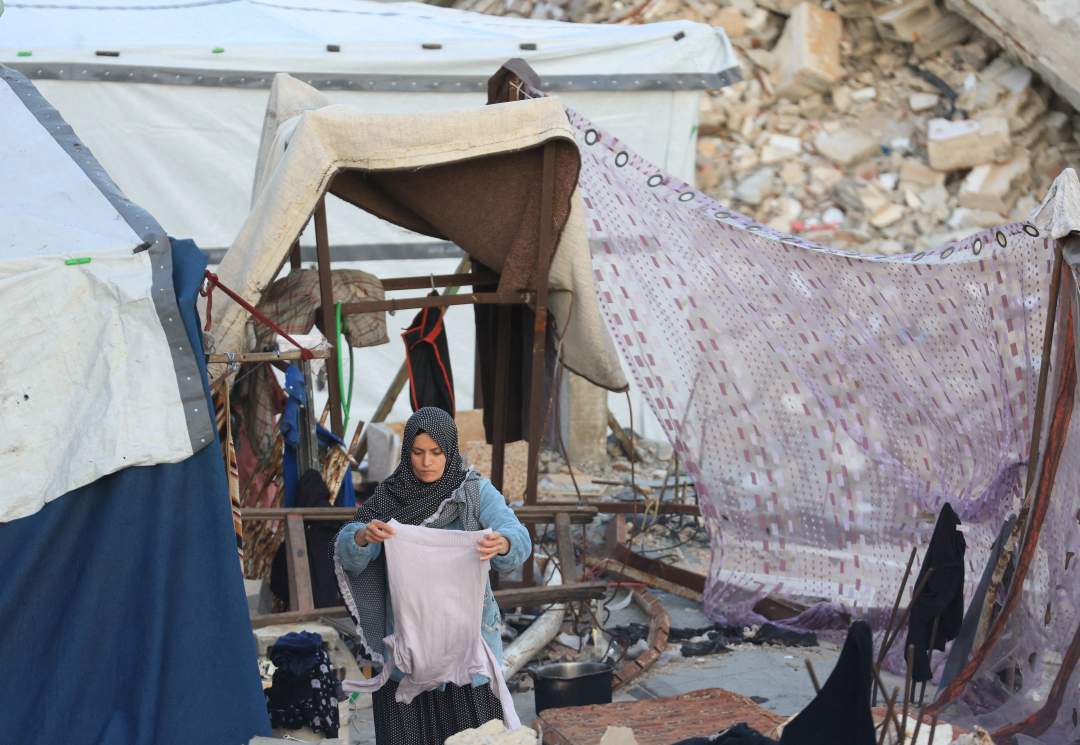
Eight-year-old Ruba Saadeh spends her days confined to the tent she shares with her family, her body dotted with inflamed red blisters. Her doctor told her family she needs daily cleaning and isolation for 20 days — standard protocol for a disease that spreads through respiratory droplets and direct contact with blisters.
“But how can we isolate her? We all live in one tent.”
— Alaa Saadeh, Ruba's 19-year-old sister, to AFP
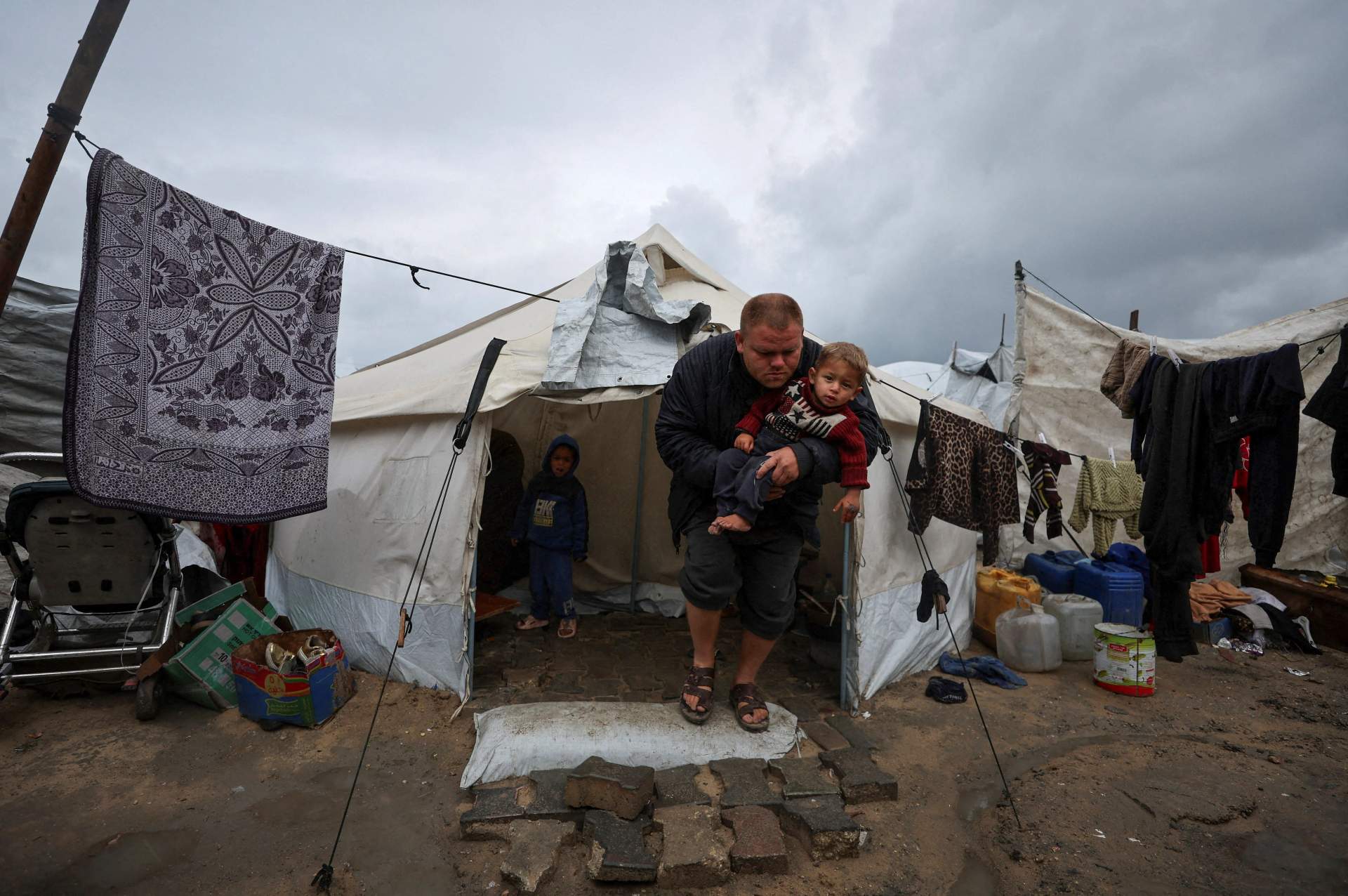
The medical advice is impossible to follow. Around 1.7 million people are now living in more than 1,600 displacement sites across the Gaza Strip, according to UN data. Sometimes more than one family shares a single tent. Children play together in the same space, walk barefoot through sewage, and sleep on ground infested with rodents.
Hamada Abu Ghali, displaced in Nuseirat, described watching the infection spread from his daughter to her brother after she was initially misdiagnosed.
“They said he has to be on his own, with his own mattress, his own clothes and washing, but where? We are living in a tent and there is literally no space.”
His son wanted to go outside. However hard you try to protect him, as soon as he goes out he is surrounded by sewage and rubbish. Everything about the situation helps the disease to spread.
Ahmed Abu Hussein, displaced in Deir al-Balah, told Euronews the same story:
“In theory he should be isolated because it is an infectious disease, but there is no space and all the children are together. We can't control them or keep them inside the tent, so the infection ends up spreading to the whole family.”
This is not negligence. This is the deliberate consequence of conditions imposed on a civilian population by military force and blockade.
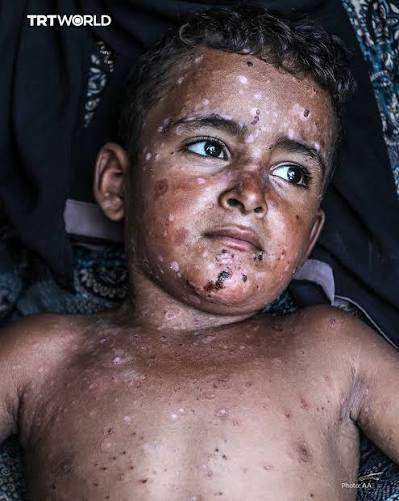
Young boy covered by chickenpox blisters with no relief isolated in a tent encampment for the displaced. There is no relief only suffering.
The Numbers Tell a Story of Collapse
The chickenpox surge is part of a broader public health catastrophe. In the same two-week period, health teams recorded more than 18,000 new cases of infectious skin diseases across the Strip, including scabies, head lice, and impetigo. UNICEF spokeswoman Louise Wateridge described a cascade of interconnected crises:
“Chickenpox is one part of it but there's also respiratory infections, watery diarrhoea, we've now got more than half of households reporting skin diseases, fleas, lice, scabies.”
“There's an increasing number of children that are requiring hospitalisation, but this is while Gaza's health system is on the brink of collapse.”
The figures from the UN Health Cluster paint a grim picture:
Gaza Disease Outbreak — July 2026 (Two-Week Reporting Period)
| Metric | Data |
|---|---|
| Chickenpox cases | ~9,300 suspected cases |
| Health facilities reporting | 130+ |
| Cases in Khan Yunis | >50% of total |
| Infectious skin disease cases | 18,000+ (scabies, lice, impetigo) |
| Displaced population | 1.7 million across 1,600+ sites |
| Households reporting skin diseases | >50% |
The Vaccine Gap
The outbreak is not just a product of conditions — it is a product of deliberate deprivation. Bassam Zaqout, director of Medical Relief in the Gaza Strip, said thousands of children born during the war have been unable to complete their vaccination schedules. Restrictions on importing new vaccine shipments have left the health sector unable to strengthen community immunity.
These are children who have known nothing but war. Born into displacement, raised under bombardment, denied the most basic medical interventions that the rest of the world takes for granted. The polio epidemic of 2024 — the first in Gaza in 25 years — was contained only through emergency vaccination campaigns. Now chickenpox fills the void, exploiting a generation of unvaccinated, malnourished, displaced children.
The Health System: Damaged and Diminished
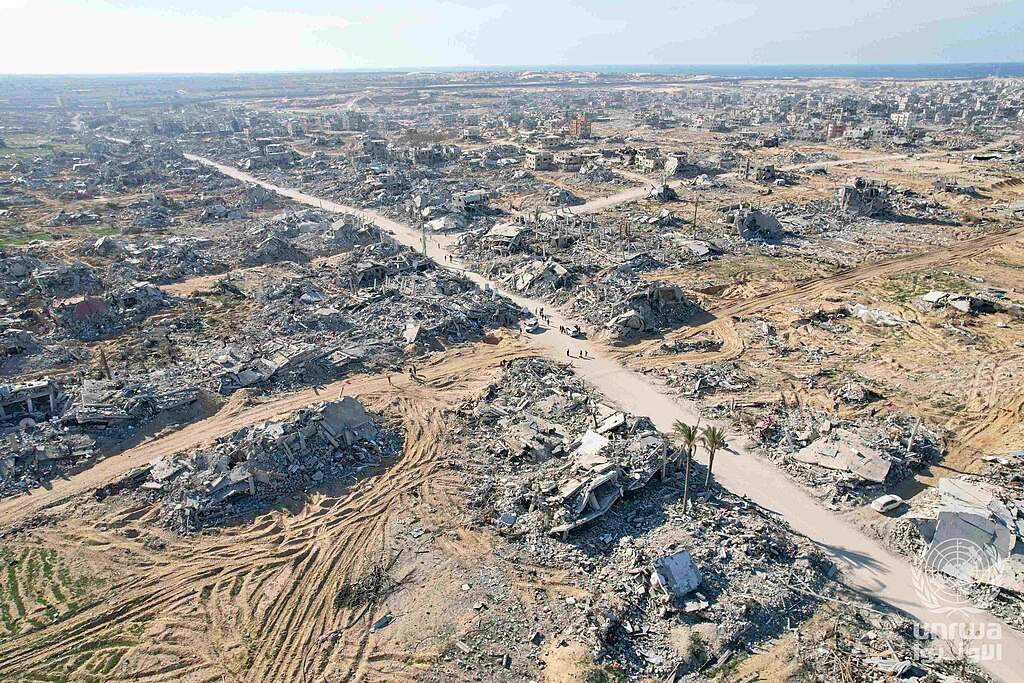
Gaza's health care system has been severely degraded during nearly two years of war. Israel has systematically targeted medical facilities, accusing them of sheltering militants — an accusation international observers have repeatedly challenged. The World Health Organisation said Gaza's health system was still operating with limited capacity because of extensive damage to facilities and shortages of medicines and staff.
At Al-Rantisi Children's Hospital, pediatric consultant Dr. Sharif Mattar said the published statistics were likely a significant undercount. Most children with chickenpox were being seen in tents or primary healthcare centres and never reached hospital, meaning a substantial share of cases did not appear in the data.
Nurse Sheimaa Hajji, working at a health centre, described a daily procession of children arriving only after the rash had spread widely across their bodies. Treatment was largely limited to relieving itching and reducing the risk of secondary bacterial infections — and even basic supplies for that were running short.
The shortage of calamine lotion — a simple, cheap treatment for itching — was adding to children's distress, because continued scratching risked leading to inflammation and further complications.
“The sick child is supposed to be kept away from other children until the infectious period is over, but in the tents this is almost impossible. All the children play together and use the same space, so we see the disease passing from child to child and from family to family.”
— Nurse Sheimaa Hajji
Airstrikes During Ceasefire
Even as the disease spreads, the violence continues. According to OCHA's July 3 situation report, 23 Palestinians were killed and 112 injured between June 24 and June 30 alone — bringing the total since the ceasefire agreement on October 10, 2025, to 1,053 fatalities and 3,406 injuries.
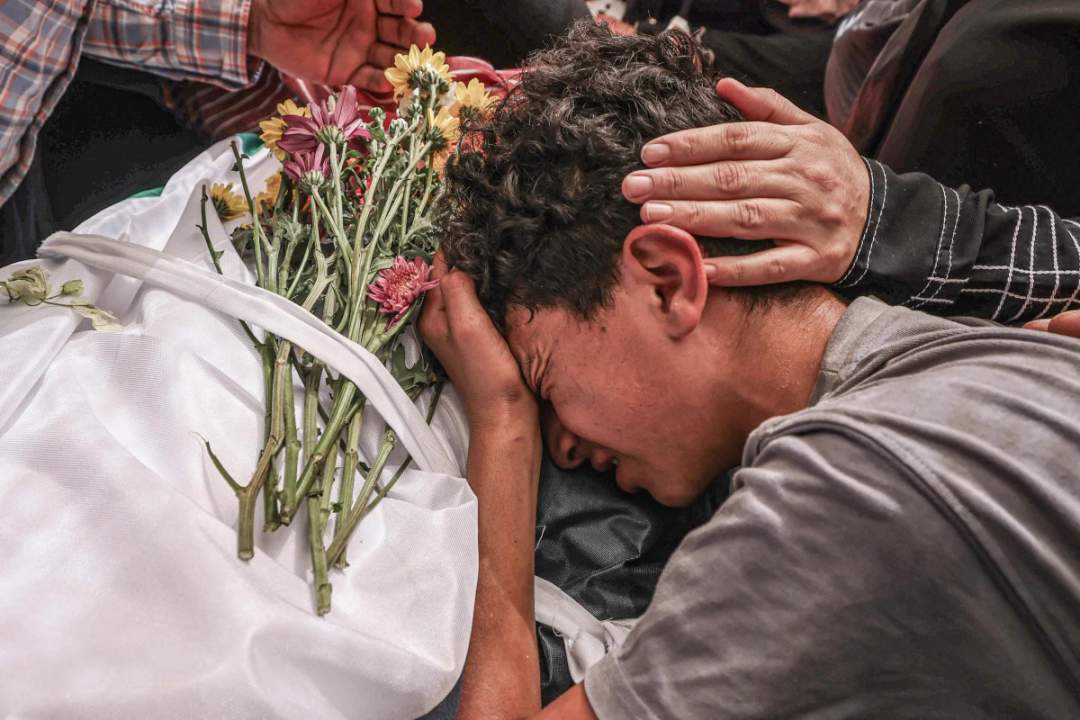
On June 29, a mother and her baby daughter were killed by an airstrike in Al Mawasi area of Khan Younis. The strike destroyed the tents of more than 150 families and damaged the tents of 250 more. On June 27, a fifth-grade child died from injuries sustained during an airstrike near a temporary education learning space. A 17-year-old girl — a UNICEF Youth Champion — was killed on her way to sit for her high school exam.
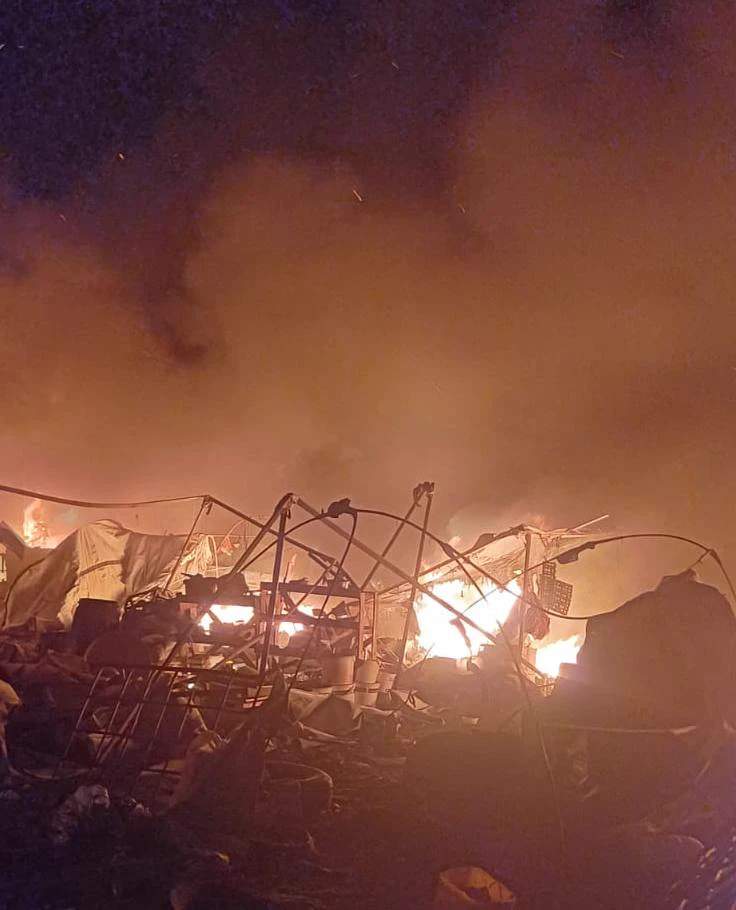
Airstrikes ignite fires that consume hundreds of tents. Families displaced once are displaced again, pushed deeper into overcrowding, deeper into conditions where disease thrives. The ceasefire exists in name; the machinery of destruction operates without pause.
The Roots
When we're talking about chicken pox or any of these diseases it's not gonna go away unless you solve the causes, the root causes of the situation.
— Louise Wateridge, UNICEF spokeswoman
The root cause is the siege. The root cause is the destruction of water infrastructure, the blockade on medical supplies, the deliberate engineering of conditions in which disease becomes inevitable. Israel's Coordination of Government Activities in the Territories (COGAT) claims 18,000 tonnes of medicines and medical supplies have entered the Strip since the ceasefire. Health workers on the ground say the pace remains grossly insufficient.
Eight-year-old Ruba Saadeh asked the question that two million Palestinians in Gaza have been asking for nearly two years:
What did we do to deserve living like this? We have all these rashes.
“I used to shower every day. Now there is no soap, no shampoo, no detergent... We live in tents, and I can't sleep because of the rats.”
The answer is that they did nothing. They are being punished for existing. The blisters on their children's skin are not a natural disaster — they are policy, made in Tel Aviv and Washington, executed with precision, and denied with practiced indifference.
Sources & Methodology(5 sources)
Methodology
Reported using Euronews, Al-Monitor, UN OCHA situation reports, Jerusalem Post, IMEMC, and fundsforNGOs coverage. Disease figures from UN Health Cluster and UNICEF. Casualty data from Gaza Ministry of Health and OCHA. Named victims and quotes cross-referenced across AFP, Euronews, and Al-Monitor reporting.
Filed Under
Frequently Asked Questions
- How many chickenpox cases have been recorded in Gaza?
- More than 9,300 suspected cases were recorded across 130+ health facilities in just two weeks in early July 2026. Over half were concentrated in Khan Yunis governorate. Doctors say the real number is likely far higher.
- Why is chickenpox spreading so rapidly in Gaza?
- The outbreak is driven by extreme overcrowding in displacement camps housing 1.7 million people, lack of clean water, inability to isolate sick children, vaccine shortages for thousands of children born during the war, and severely damaged health infrastructure.
- What other diseases are spreading alongside chickenpox?
- In the same two-week period, health teams recorded more than 18,000 new cases of infectious skin diseases including scabies, head lice, and impetigo. UNICEF also reported respiratory infections, watery diarrhea, and flea infestations across more than half of households.