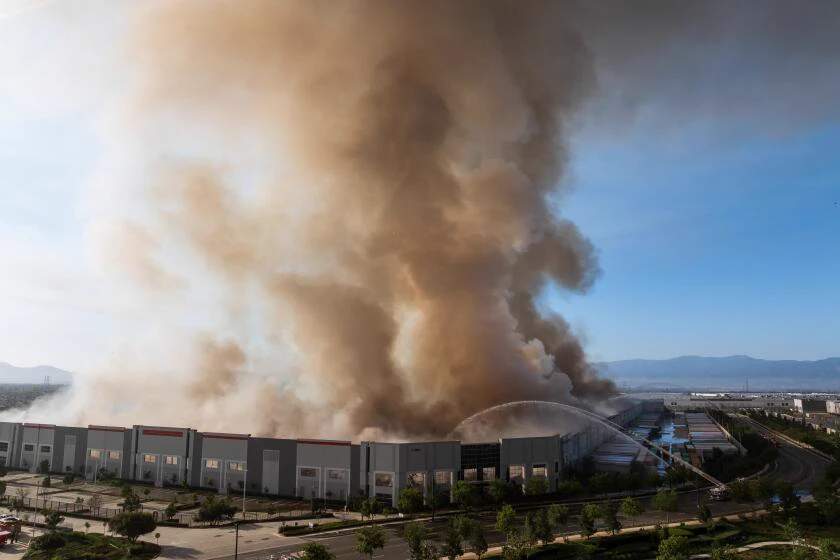
Rural workers in Bolivia have seized an oil field in the Santa Cruz region and halted all production, as part of the general strike against neoliberalism. The site, in the Santa Rosa del Sara municipality, is now fully offline.
The Latest Escalation
Rural communities in Bolivia's Santa Cruz department have taken direct action against President Rodrigo Paz's neoliberal agenda — closing the valves on an oil production facility and blockading the site entirely. The Humberto Suárez Roca oil field in the municipality of Santa Rosa del Sara is now offline, cutting a vital source of energy revenue from one of Bolivia's most productive regions.
The Spark: How It Started
The unrest didn't begin with oil field seizures. It started in early May with fuel shortages, rising living costs, and austerity measures imposed by Paz's government.
On December 5, 2025, just weeks into his presidency, Paz issued Supreme Decree 5503 — a neoliberal package that would have removed fuel subsidies and allowed foreign companies to extract resources without legislative approval. The decree sparked immediate outrage among Bolivia's labor movements.
Then in April 2026 came Law 1720, the land privatization measure that would transform land rights and open Indigenous territories to agribusiness and corporate interests. This was the tipping point.
The Tipping Point
What turned protests into an organized general strike was the convergence of multiple crises:
- Fuel shortages: Paz's government failed to secure foreign reserves needed for diesel imports, leaving transport workers without fuel and vehicles breaking down
- Austerity measures: Decree 5503 and related policies cut subsidies and increased costs for working people
- Land theft: Law 1720 privatized Indigenous and peasant land holdings
On May 1, the Central Obrera Boliviana (COB) — Bolivia's largest union federation — declared an indefinite general strike until President Paz resigns and the neoliberal policies are reversed. As we've seen in our ongoing coverage of Latin American resistance at UnTelevised, Bolivia is under siege — and the people built the siege, the pattern of state repression meeting popular resistance is unmistakable.
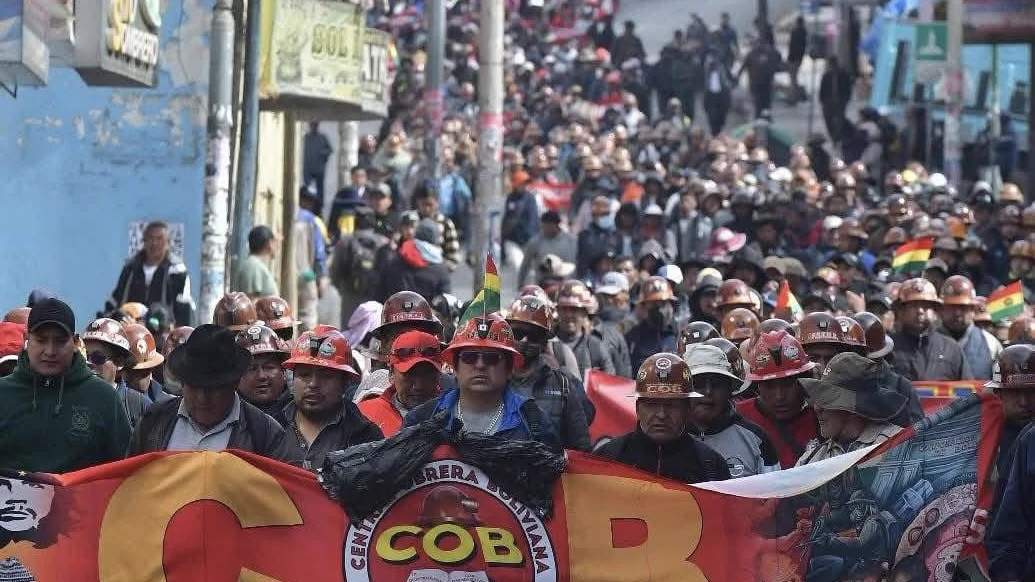
Central Obrera Boliviana (COB) union members marching during the national general strike
The General Strike: What's Being Fought
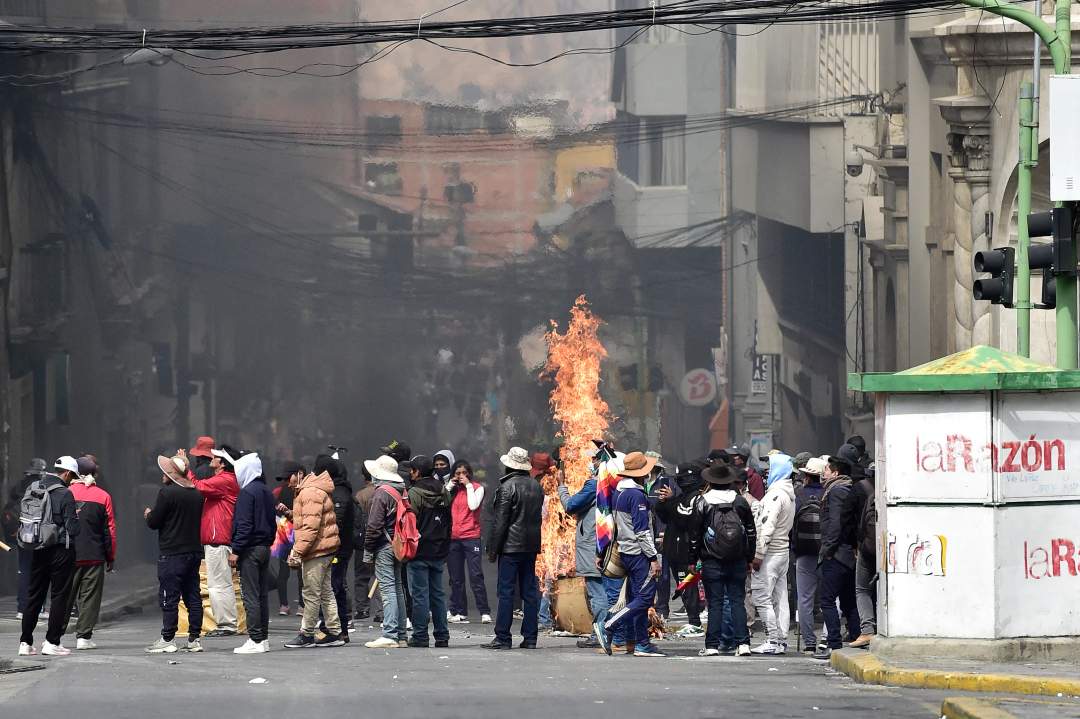
The strike now entering its sixth week has shut down La Paz, El Alto, Santa Cruz, Cochabamba, and cities across the country. Workers, farmers, miners, transport workers, and teachers have occupied the streets, blockaded highways, and seized key infrastructure.
Core Demands
- President Rodrigo Paz's resignation
- 20% wage increase for all workers
- Repeal of Law 1720 — the land privatization law
- End to austerity measures and privatization of state-owned enterprises
- 50% pay cuts for high government officials
- Increased pensions
- Access to diesel and other essential resources
The miners' union, Central Obrera Boliviana (COB), and Confederación Sindical Única de Trabajadores Campesinos de Bolivia (CSUTCB) have signed agreements calling for Paz's removal. Ten of Bolivia's umbrella organizations have signed an "Agreement of Unity and Loyalty" pledging to bring down the government.
Weather Conditions: The Struggle on Multiple Fronts
While the political conflict dominates headlines, Bolivia's working people are also fighting climate chaos.
The country faces extreme drought conditions in key agricultural regions, exacerbated by climate change. In the northern Amazon territories of Beni and Pando, many marchers required medical treatment for dehydration and exhaustion during a 20-day march from the tropics to freezing high-altitude La Paz.
Wildfires, poor soil quality, and water scarcity threaten rural communities — conditions made worse by extractive policies that prioritize profits over people. The drought has intensified food insecurity as crops fail and supply chains break down under roadblock pressure. This ecological dimension mirrors what we've documented in cases like The Fifth Fire: Amazon's Green Energy Goes Up in Smoke, where corporate extractivism meets working-class devastation.
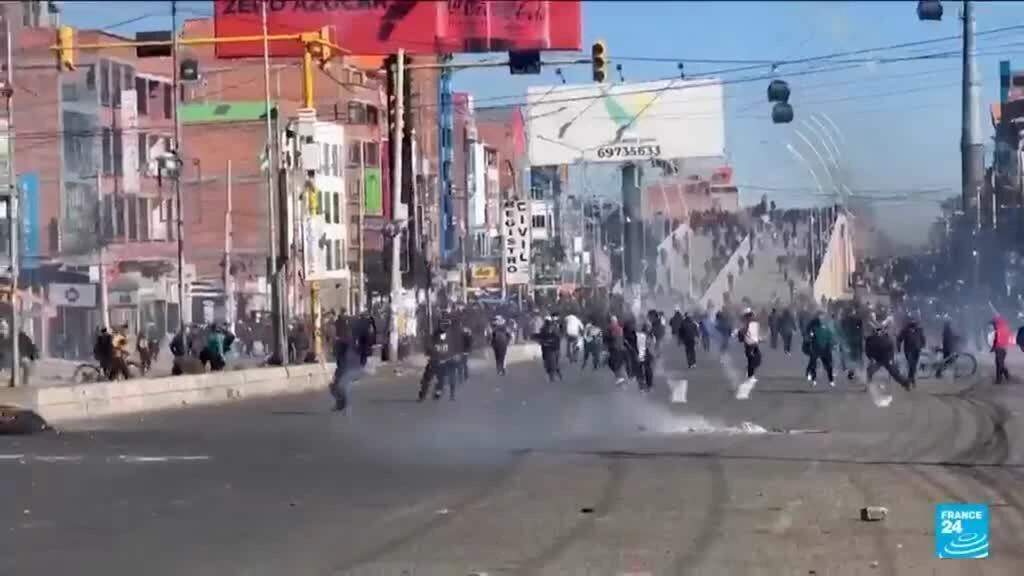
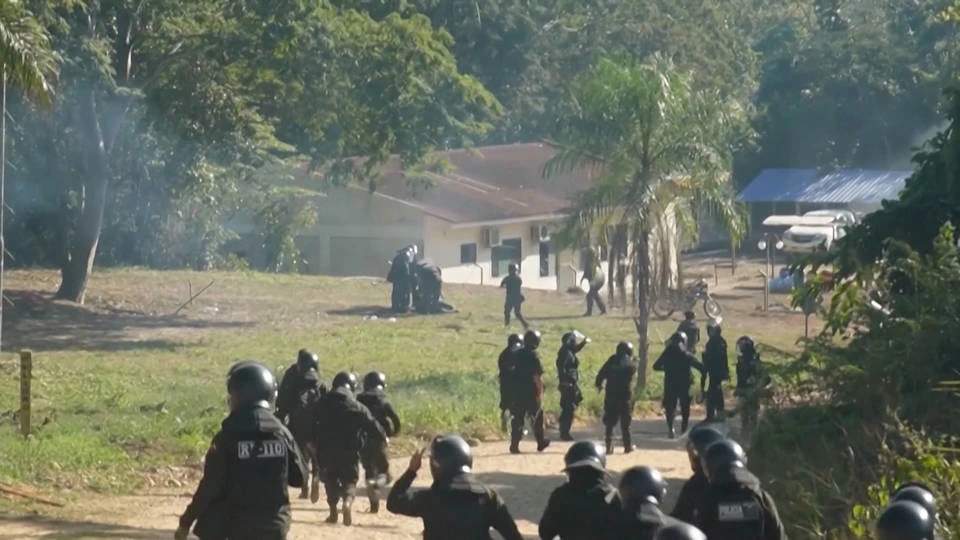
Bolivian police in riot gear clash with protesters blocking roads during the general strike
The Economic Impact: A Nation in Crisis
The strike is costing Bolivia billions of dollars in economic losses per day.
- 94 blockade points across the country are cutting off La Paz and El Alto from essential goods
- No food, fuel, or medicine is entering the capital city
- Newborns in incubators face life-threatening oxygen shortages
- Inflation has skyrocketed
- Unemployment is rising as supply chains collapse
The Humberto Suárez Roca oil field alone was a major source of revenue for the Santa Cruz region. Its seizure cuts energy production at a time when Bolivia cannot afford the economic shock.
Defense and Education Ministers resigned on June 3 as the crisis deepens. Paz has been urged to declare a state of emergency but has hesitated — and the United States, through Secretary of War Pete Hegseth and Senator Marco Rubio, has signaled support for the embattled government, warning they will "not tolerate a coup" while calling protesters "criminals and drug traffickers."
The Oil Field: Humberto Suárez Roca
The seized facility in Santa Rosa del Sara is a British Petroleum (BP) oil production site — one of several oil fields in Bolivia's Santa Cruz region. The facility was fully offline as protesters erected barriers to slow police advances.
Police later moved in with riot gear, arresting four people during the operation to regain control. The standoff represents the latest escalation in a battle over Bolivia's resources and its future direction.
Santa Cruz, where the field is located, is a major center of agribusiness and oil and gas production. The wealthy elite of Santa Cruz have long suppressed left-leaning politics and Indigenous aspirations — a dynamic that makes this struggle especially explosive.
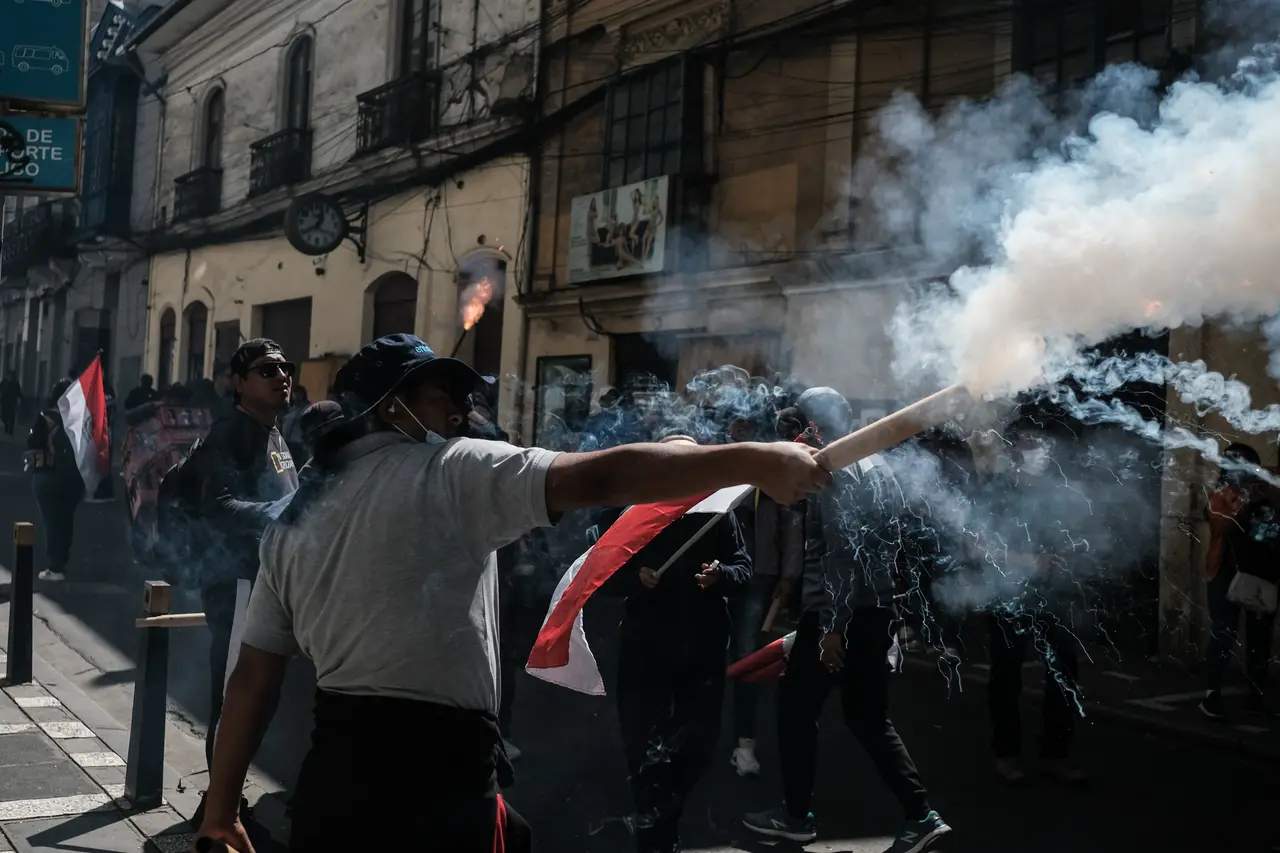
Mass protests fill the streets of Bolivia during the 2026 general strike against neoliberal austerity measures
Similar Uprisings Against Neoliberalism
Bolivia is not alone. The global movement against neoliberal austerity has spread across the Global South:
- Chile (2019): The "social explosion" that began with a 30-peso metro fare hike exploded into demands for constitutional reform, healthcare, pensions, and the end of a Chilean model built on extractivism and privatization. The famous "Chicago Boys" — economists trained at the University of Chicago who implemented neoliberal policies under Pinochet — remain influential, and Milton Friedman's legacy haunts Chile's neoliberal institutions.
- Ecuador (2019): Indigenous movements and trade unionists erupted against austerity measures, forcing President Lenín Moreno to flee Quito and reverse fuel subsidy cuts. The uprising framed itself as a battle against neoliberalism — a laissez-faire economic creed many Latin Americans associate with Cold War-era dictatorships and U.S. political meddling.
- Argentina (2001, 2019-2021): Argentina's 2001 crisis — when the economy collapsed, banks were closed, and protesters erected hundreds of roadblocks — forced the resignation of President Fernando de la Rúa. More recently, Argentine women launched a feminist strike movement from 2016-2020 that eventually merged into broader social uprisings. These movements are part of a continental pattern of working-class resistance against privatization, wage stagnation, and corporate power.
- Brazil (2013, 2019): The 2013 protests against bus fare hikes and austerity, and the 2019 right-wing coup under Jair Bolsonaro, followed the same script — neoliberal policies combined with political manipulation to crush popular movements.
These uprisings share a common thread: neoliberal austerity measures, privatization, and wealth extraction from working people. They are different expressions of a global rebellion against systems that put profits before people — the same kind of resistance we covered in Nine Fires in Seven Days: The Working Class Has Handed Down Its Verdict, where working-class communities in the U.S. took equally direct action against state violence and corporate power.
The Path Forward
Bolivia stands at a crossroads. The working-class insurrection entering its sixth week defies easy categorization — it's not a coup, not a government overthrow, but a popular rebellion from below demanding an end to neoliberal policies that have left the country economically devastated.
Paz warns Bolivia is at a "breaking point." The United States signals support. Evo Morales hides in undisclosed locations, reportedly organizing from abroad while the government calls him a narco-trafficker. Yet the facts on the ground are clear: workers, peasants, miners, and Indigenous people are shutting down the country — and they're showing no signs of stopping.
As Frantz Fanon wrote in The Wretched of the Earth: "For a colonized people the most essential value, because the most concrete, is first and foremost the land — the land which will bring them bread and, above all, dignity." In Bolivia, that dignity is being fought for in the streets, on the oil fields, and in the blockades that have paralyzed a nation.
Sources & Methodology(7 sources)
- Democracy Now! — Rural Communities in Bolivia Seize Oil Field, Calling on President Paz to ResignNews Article
Published June 4, 2026 — Democracy Now! reports on rural communities in Bolivia seizing the Humberto Suárez Roca oil field and calling for President Paz's resignation amid a general strike.
Published June 5, 2026 — HotAir provides extensive coverage of Bolivia's protests, oil field seizures, and the political crisis.
Published May 2026 — Jacobin explains the Land 1720 law and the march of peasant and Indigenous communities demanding Paz's resignation.
Published June 6, 2026 — World Socialist Web Site covers the sixth week of Bolivia's workers' insurrection and repression.
- Reuters — Bolivia's new defense minister pledges to clear roadblocks as protests drag onNews Article
Published June 3, 2026 — Reuters reports on the resignation of ministers and government response to protests.
Published May 2026 — Common Dreams covers the miners' and unions' march and the 20% wage demand.
Published June 3, 2026 — UPI reports on the defense and education ministers' resignations and the state of emergency bill.
Methodology
Reported using open-source intelligence including Democracy Now, Reuters, People's Dispatch, Jacobin, Common Dreams, and UPI. Cross-referenced multiple sources for verification of events, dates, and claims. Article incorporates historical context from academic sources and prior UTM reporting on Latin American social movements.
Frequently Asked Questions
- What is happening in Bolivia right now?
- Rural workers and labor unions have launched a general strike now entering its sixth week, demanding President Rodrigo Paz's resignation, the repeal of neoliberal austerity measures, and the reversal of land privatization laws. Protesters have seized the Humberto Suárez Roca oil field in Santa Cruz, blockaded highways nationwide, and shut down major cities including La Paz, El Alto, Santa Cruz, and Cochabamba.
- Why are Bolivians protesting against President Paz?
- President Paz issued Supreme Decree 5503 in December 2025, which removed fuel subsidies and opened Bolivia's resources to foreign extraction without legislative approval. In April 2026, his government passed Law 1720, privatizing Indigenous and peasant land holdings. Combined with severe fuel shortages, rising inflation, and austerity measures, these policies triggered mass mobilization from Bolivia's labor unions, miners, farmers, and Indigenous organizations.
- What are the protesters' core demands?
- The Central Obrera Boliviana (COB) and ten umbrella labor organizations have demanded: Paz's resignation, a 20% wage increase, repeal of Law 1720, an end to austerity and privatization, 50% pay cuts for high government officials, increased pensions, and access to diesel and essential resources.
- What is the Humberto Suárez Roca oil field?
- The Humberto Suárez Roca is a British Petroleum (BP) oil production facility in the Santa Rosa del Sara municipality of Bolivia's Santa Cruz department. Rural workers seized the facility and shut down production as part of the general strike, cutting off a major source of revenue for the region.
- How has the international community responded?
- The United States, through Secretary of War Pete Hegseth and Senator Marco Rubio, has signaled support for the Paz government, warning it will "not tolerate a coup" while labeling protesters as "criminals and drug traffickers." Defense and Education Ministers resigned on June 3 as the crisis escalated. Evo Morales is reportedly organizing from undisclosed locations abroad.