From Coal to Code
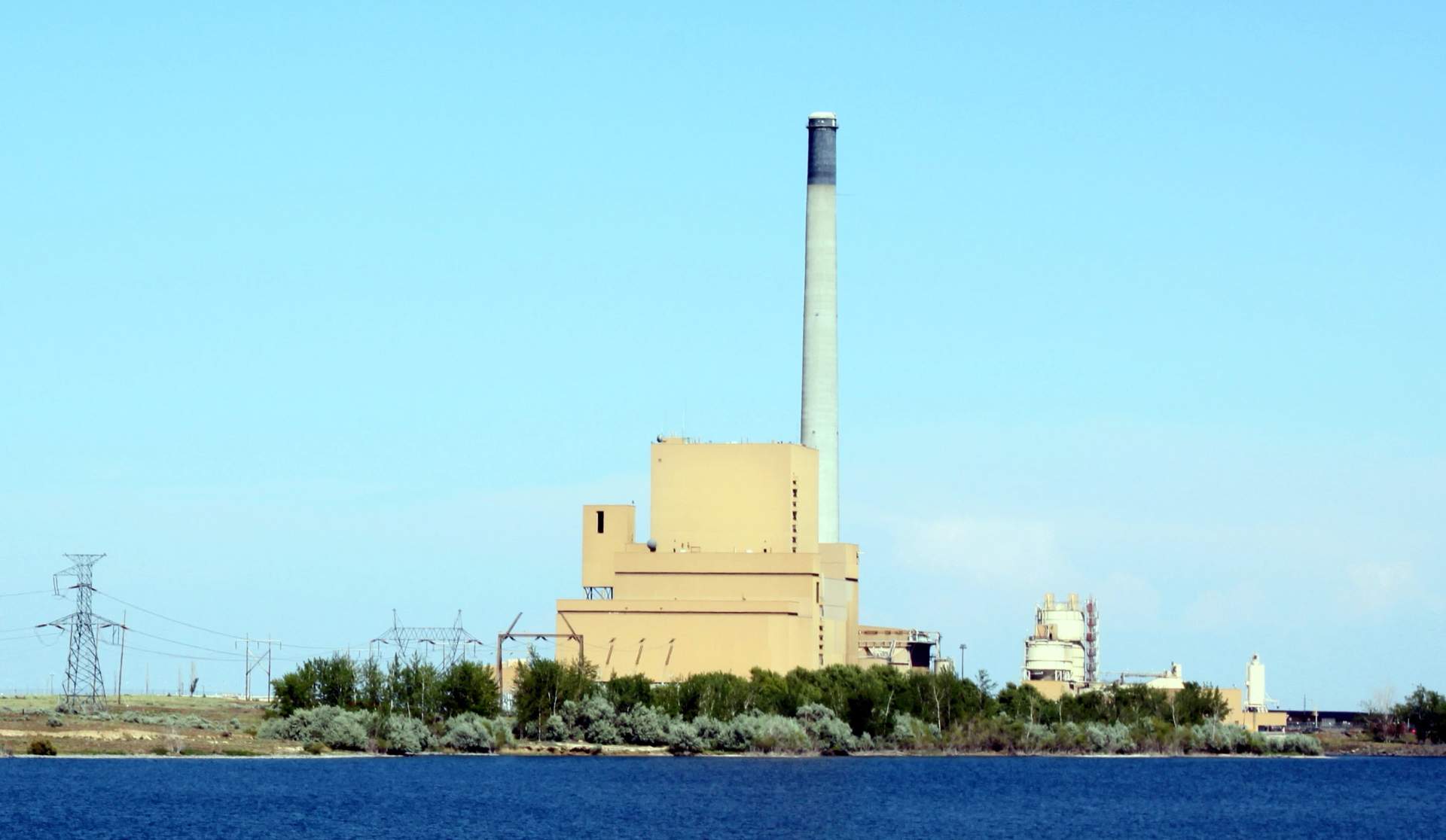
For forty years, a 656-foot smokestack loomed over the high desert of Morrow County, Oregon — a monument to the coal economy that built this stretch of the Columbia River Gorge. The Boardman Coal Plant, operated by Portland General Electric, burned through mountains of coal from 1980 to 2020, producing reliable electricity for Portland's suburbs while raining mercury, sulfur dioxide, and up to two million tons of carbon dioxide annually onto one of the most ecologically sensitive regions in the Pacific Northwest.
It was Oregon's single biggest point source of greenhouse gas pollution. It was also Morrow County's largest employer, supporting 110 families and anchoring a tax base that kept rural schools open and county services running in a community that the rest of Oregon had largely forgotten.
When the plant closed in October 2020 — two decades ahead of schedule under a landmark 2010 legal agreement — environmentalists celebrated. PGE framed it as a clean energy victory. Community leaders called it "the end of an era." The stack came down in a cloud of dust and ash in September 2022, and PGE's vice president Brad Jenkins declared the demolition "another key step in PGE's clean energy journey."
What nobody said out loud was what would replace it.
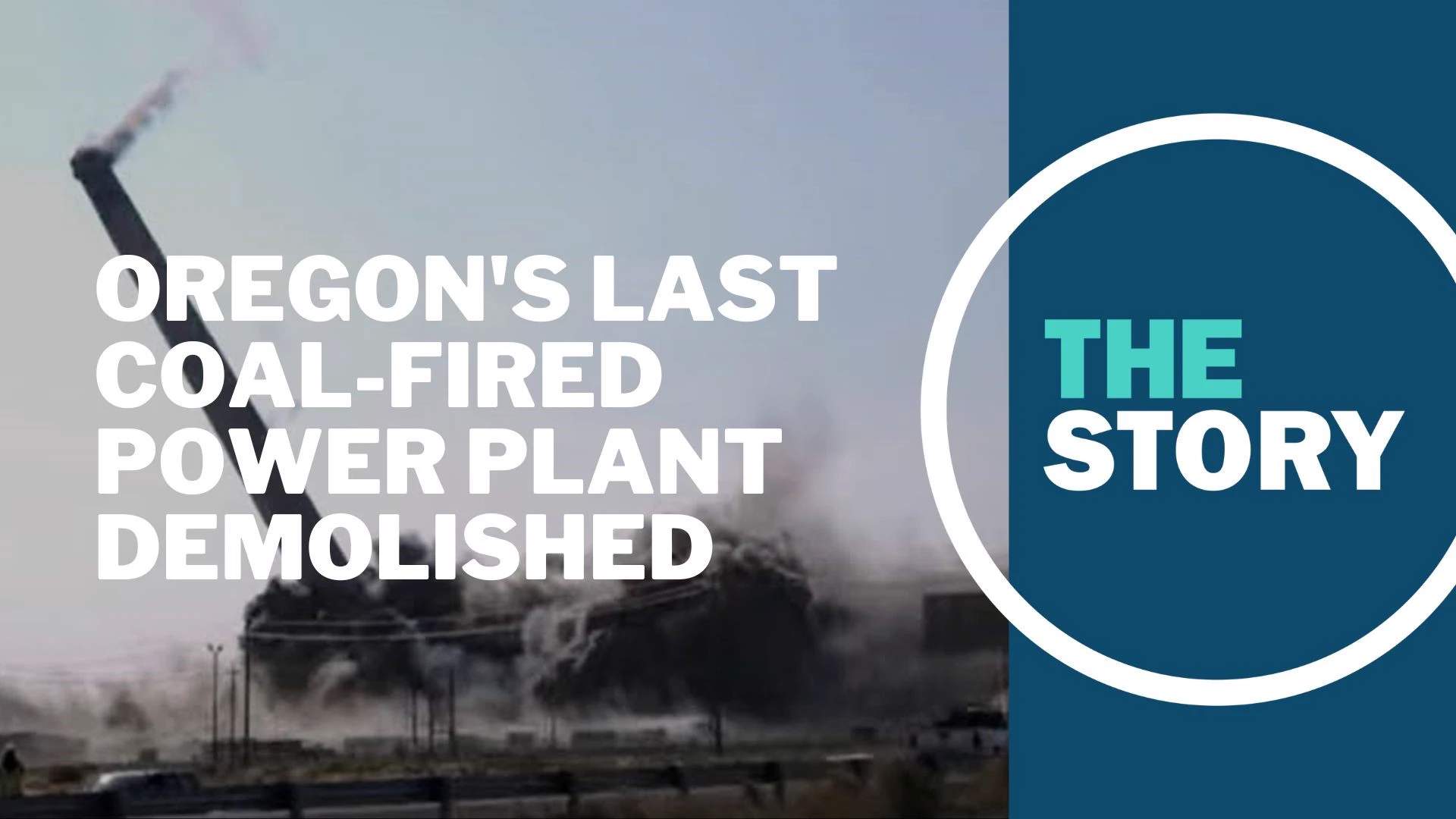
Explosive demolition of the Boardman coal plant smokestack showing a massive plume of dust and debris as the 656-foot tower collapses in September 2022.
The Ghost in the Aquifer
What replaced coal in Boardman was not wind turbines or solar panels. It was server farms.
Amazon Web Services opened Morrow County's first hyperscale data center in 2011, just as the coal plant was entering its final decade. By 2026, Amazon operates 10 data center campuses on 700 acres around Boardman, with 300 more acres under construction. Earlier this year, the company purchased 1,300 additional acres for Oregon's first "exascale" data center — a planned $12 billion, 1-gigawatt installation capable of housing up to 20 buildings, each the size of five Portland city blocks. County planners anticipate another 4,000 acres of data center development, quadrupling the industry's local footprint.
On paper, it looks like economic revitalization. Amazon employs about 900 full-time workers in Morrow County and has generated more than $100 million in commercial taxes over the past decade. Oregon's data centers employed roughly 7,800 people statewide in 2025.
But underneath the celebration, something far darker was unfolding — literally underground.
The Lower Umatilla Basin aquifer is the sole source of drinking water for as many as 45,000 residents in and around Morrow County. The majority rely on private wells. Since 1991, the Oregon Department of Environmental Quality has tracked a slow, steady accumulation of chemical toxins in that water — primarily nitrates, a byproduct of industrial agriculture and food processing that has plagued the basin for decades.
When data centers pump nitrate-laden groundwater through their cooling systems, the water evaporates off server towers to dissipate heat. The nitrates don't evaporate. They concentrate. The wastewater that returns to the ground or is discharged carries a heavier toxic load than what went in.
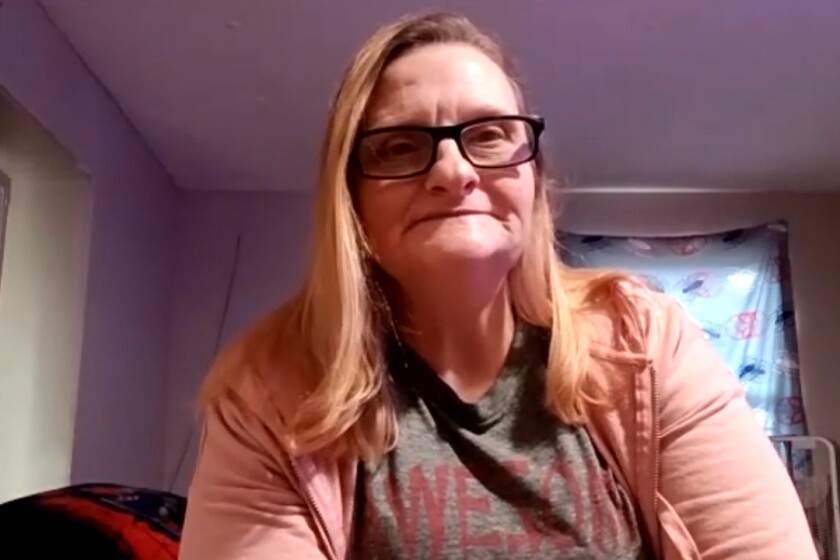
In 2022, Morrow County Commissioner Jim Doherty — a cattle rancher and Republican who had never made water a political priority — started hearing the same story at the grocery store, at the grain depot, at kitchen tables across the county. Healthy adults were getting sick. Unexplained cancers. Miscarriages. Organ failure in people who had never smoked, never worked in heavy industry, never lived anywhere but Boardman.
Doherty went door to door with a county health official, collecting water samples from 70 private wells chosen at random. The lab called back with results that read like a public health emergency: 68 of the 70 wells exceeded the federal safety threshold for nitrates. The average concentration was nearly four times the legal limit.
In the first 30 homes Doherty visited, residents reported at least 25 miscarriages and a half-dozen people living with only one kidney. One 60-year-old man had his voice box removed due to a cancer typically found only in smokers — a man who had never touched a cigarette in his life.
"The historical precedent here is Flint, Michigan," said Kristin Ostrom, executive director of Oregon Rural Action, a water rights advocacy group. "In part because of how slow the response to the crisis has been, and in part because of who's affected. These are people who have no political or economic power, and very little knowledge of the risk."
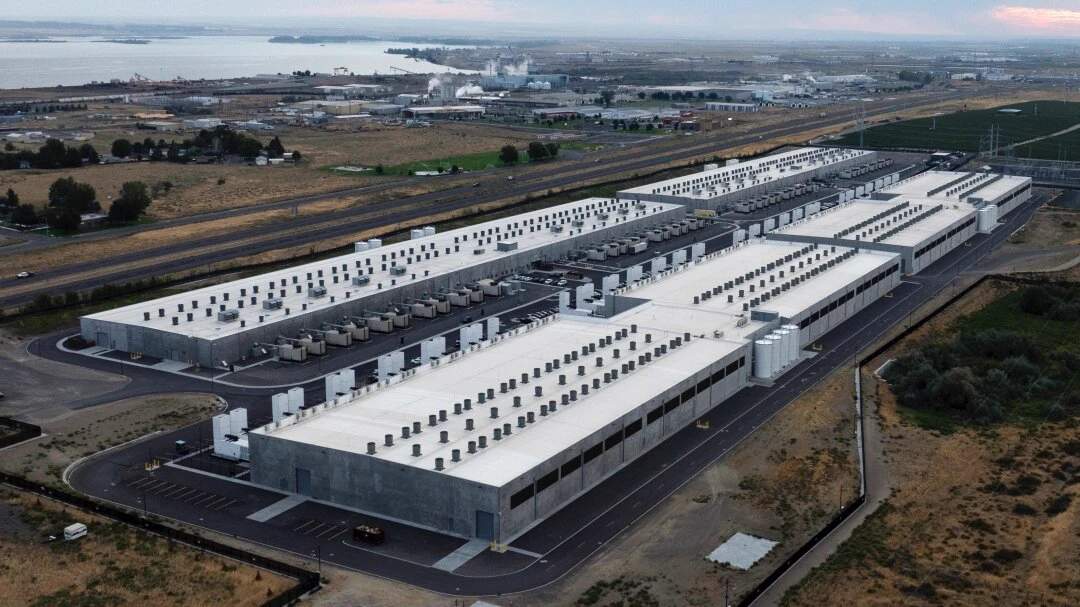
An Amazon Web Services data center facility in Boardman, Oregon, showing large industrial buildings in the rural landscape of Morrow County.
The $100 Million Self-Deal
Boardman's water crisis didn't happen in a vacuum. It happened inside a culture of corruption that makes the coal plant's pollution look almost quaint by comparison.
In March 2026, OregonLive revealed that Amazon had paid more than $100 million to a Morrow County fiber-optic company called Windwave — a firm owned by the very same public officials who were voting to grant Amazon billions in tax abatements and arranging land deals to make way for its data centers.
The scheme was almost painfully simple. Elected officials in Morrow County and the Port of Morrow acquired Windwave from a local nonprofit at what the Oregon Department of Justice later described as a "lowball price." They then sold internet services to Amazon's expanding data center empire, collecting tens of millions in personal profit while simultaneously using their public positions to greenlight the tax breaks and land sales that made the whole operation possible.
Three former officials were sanctioned by the Oregon Government Ethics Commission for failing to disclose conflicts of interest. The Oregon attorney general filed a civil complaint alleging that the officials "abused their authority and breached the public trust for their personal financial gain." The state's ethics commission and Department of Environmental Quality both issued sanctions.
Tax breaks for data centers in Morrow County total nearly $100 million this year alone. Across Oregon, data center tax incentives amount to $450 million annually — subsidies flowing from a state that can't afford to fund its public schools to a corporation worth over $2 trillion.
"How can a tiny, rural community bargain with a trillion-dollar corporate giant?" said Joe Armato, a Morrow County city council member whose family has lived in the area for generations. "We just can't have a fair negotiation in that. Just the economic power imbalance there, I guess is the best way to put it. It's just tremendous."
$20.5 Million and a Slap on the Wrist
In March 2026, Amazon agreed to pay $20.5 million to settle a class-action lawsuit over its role in the nitrate contamination of the Lower Umatilla Basin. The settlement — filed in U.S. District Court for the District of Oregon — will fund construction of private residential wells and public water treatment projects in the affected area.
Amazon, for its part, asserted that the nitrate levels from its wastewater are "negligible."
Let that sink in. A corporation that generated $107 billion in cloud computing revenue in 2024 alone — that is building a $12 billion exascale facility and planning 4,000 more acres of data centers in the same county where residents have been drinking poisoned water — settled for an amount equal to roughly 0.02% of one year's cloud revenue.
One of the plaintiffs, a man named Pearson, told Oregon Governor Tina Kotek at a 2023 community meeting that he had been drinking his well water for 30 years, unaware until 2022 that it contained more than four times the federal safety limit for nitrates. Thirty years. Three decades of ingesting a known carcinogen because no one in power bothered to test the water or tell him the truth.
For Jim Doherty, the consequences of speaking up were personal and brutal. His effort to expose the water crisis ended his political career. It tanked his cattle sales. It cost him 50 pounds from stress. Local officials who resented the scrutiny of their role in the pollution turned the community against him.
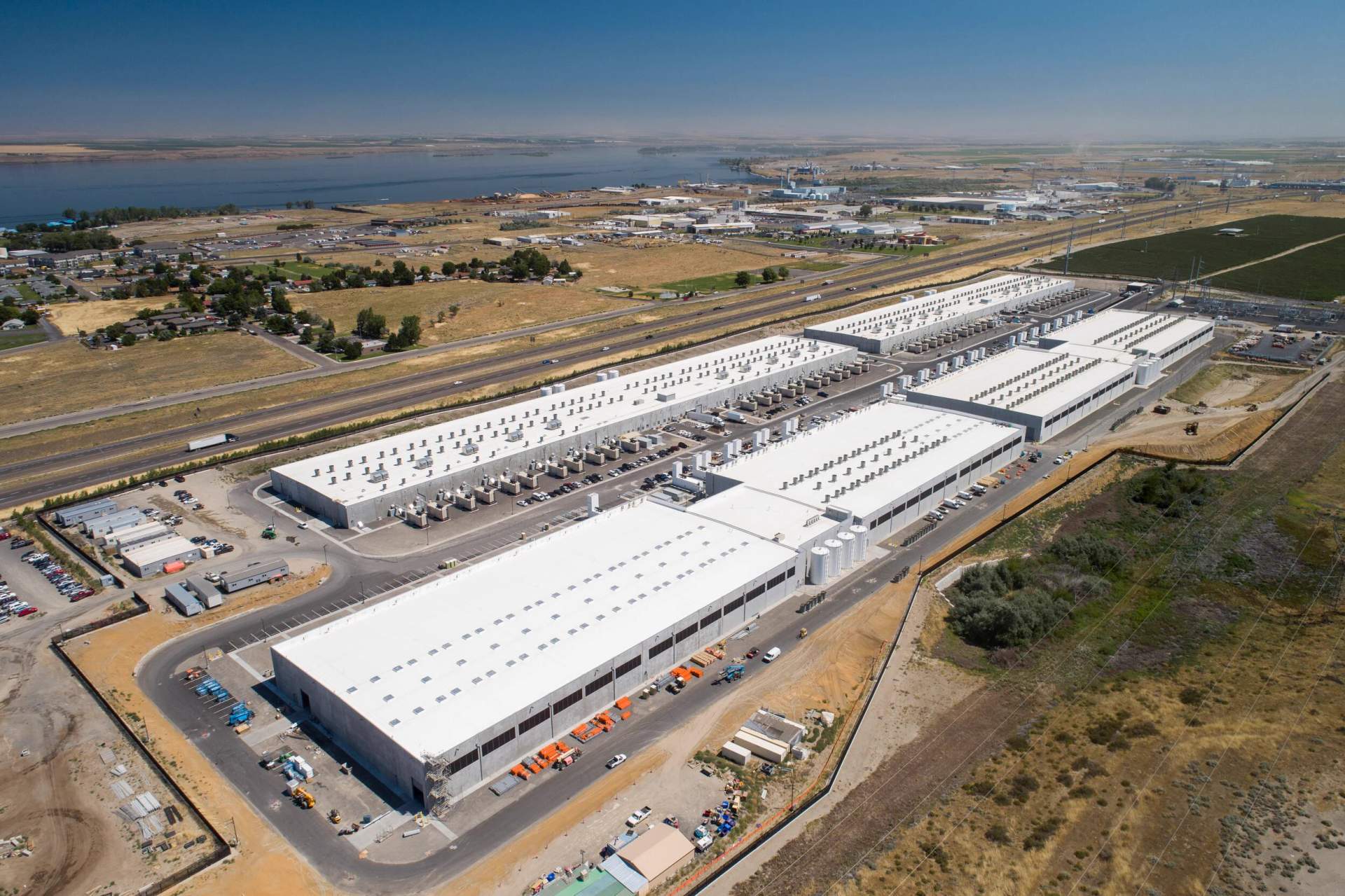
Aerial view of Amazon data center construction near Boardman, Oregon in February 2026 showing massive warehouse buildings and surrounding farmland.
Coal Dust to Digital Dust
There is a bitter symmetry to Boardman's story that should haunt every American watching the AI revolution unfold in their backyard.
The coal plant that defined this town for 40 years was built on the assumption that poor, rural, largely non-white communities could be sacrificed to power the lifestyles of urban elites 160 miles downriver. Nobody asked the farmworkers in Boardman whether they wanted to breathe sulfur dioxide. Nobody compensated them for the mercury that settled on their crops and worked its way into their children's bloodstreams.
When the plant closed, the people of Boardman were told the clean energy transition would bring something better. Instead, they got Amazon — a company that polluted their water, corrupted their government, and paid a rounding error in damages for the privilege.
The coal plant at least employed 110 people from the community. The data centers employ 900, but most of those are temporary construction workers who commute from outside the county. "Last week I went to the supermarket and saw only one person I knew," said Tamra Mabbott, Morrow County's planning director. "That's a change in the character."
The Port of Morrow still bills itself as Oregon's second-largest port, an industrial workhorse. The Tillamook megadairy still processes cheese. Vancouver's garbage still ends up in the landfill south of town. But the new economic engine doesn't need the community — it needs the water, the land, and the tax breaks. The people are just in the way.
Boardman built a new subdivision called Bailey Park, named after the hero of "It's a Wonderful Life," where starter homes with porches sit in the shadow of high-voltage power lines and an Amazon data center stretching a third of a mile into the distance. Real estate agent Maggie Rodriguez calls it "the epitome of what Boardman's going through right now."
Frank Capra's George Bailey fought to keep his town out of the hands of a rapacious oligarch. In Boardman, the oligarch already won.
The Bigger Picture
What's happening in Boardman is not an anomaly. It is a preview.
Oregon communities have zoned 9,100 acres for new data centers statewide. Data centers are driving surging demand for natural gas from Northwest utilities, according to reports published just three days ago. Amazon alone plans to expand recycled water cooling to 120 facilities — an admission that its current water consumption is a problem it can no longer ignore.
This is the infrastructure behind your ChatGPT queries, your Netflix streams, your Alexa commands. Every time you ask an AI to write an email, you're drawing on power and water from places you've never heard of, places where the people can't afford to fight back.
The coal plant is gone. Its ghost haunts the aquifer beneath Boardman, in the nitrates that won't dilute, in the cancers that won't go away, in the corrupt deals that lined the pockets of public officials while their constituents drank poison.
Boardman traded coal dust for digital dust. The extraction never stopped. Only the name of the miner changed.
Sources & Methodology(6 sources)
Methodology
This article draws on investigative reporting from OregonLive, Rolling Stone, and the Oregon Capital Chronicle, as well as official records from the Oregon Department of Environmental Quality, the Oregon Government Ethics Commission, and federal court filings. Data center employment and acreage figures come from OregonLive's May 2026 investigation and the Port of Morrow.
Filed Under
Frequently Asked Questions
- When did the Boardman coal plant close?
- The Boardman Coal Plant closed in October 2020, two decades ahead of schedule under a landmark 2010 legal agreement between Portland General Electric, regulators, and environmental groups. The plant's 656-foot smokestack was demolished by controlled explosion in September 2022. The site is still undergoing environmental cleanup.
- What is the water contamination crisis in Morrow County?
- The Lower Umatilla Basin aquifer, sole drinking water source for up to 45,000 residents, has dangerous levels of nitrate contamination. In 2022, Morrow County Commissioner Jim Doherty tested 70 private wells and found 68 exceeded federal safety limits, with average concentrations nearly four times the legal threshold. Residents have reported miscarriages, cancers, and organ failure at alarming rates.
- What was the corruption scandal involving Amazon and Morrow County officials?
- OregonLive revealed in March 2026 that Amazon paid more than $100 million to a fiber-optic company called Windwave, owned by the same public officials who voted to grant Amazon billions in tax abatements and arranged land deals for data centers. The Oregon DOJ, Ethics Commission, and DEQ all issued sanctions.
- How much did Amazon settle for over the water pollution?
- Amazon agreed to a $20.5 million settlement in March 2026 for a class-action lawsuit over its role in nitrate contamination of the Lower Umatilla Basin aquifer. Amazon generated $107 billion in cloud revenue in 2024 — making the settlement approximately 0.02 percent of a single year's cloud revenue.
![Larry Ellison speaks about AI infrastructure 'Project Stargate' - [Roosevelt Room White House, DC - Jan 21, 2025]](https://cdn.sanity.io/images/ypejdt32/articles/c1b02796ebbb35fdb72205abd0fe7a1ef65cfd5b-1440x960.webp?fit=max&auto=format&w=1080&q=65)