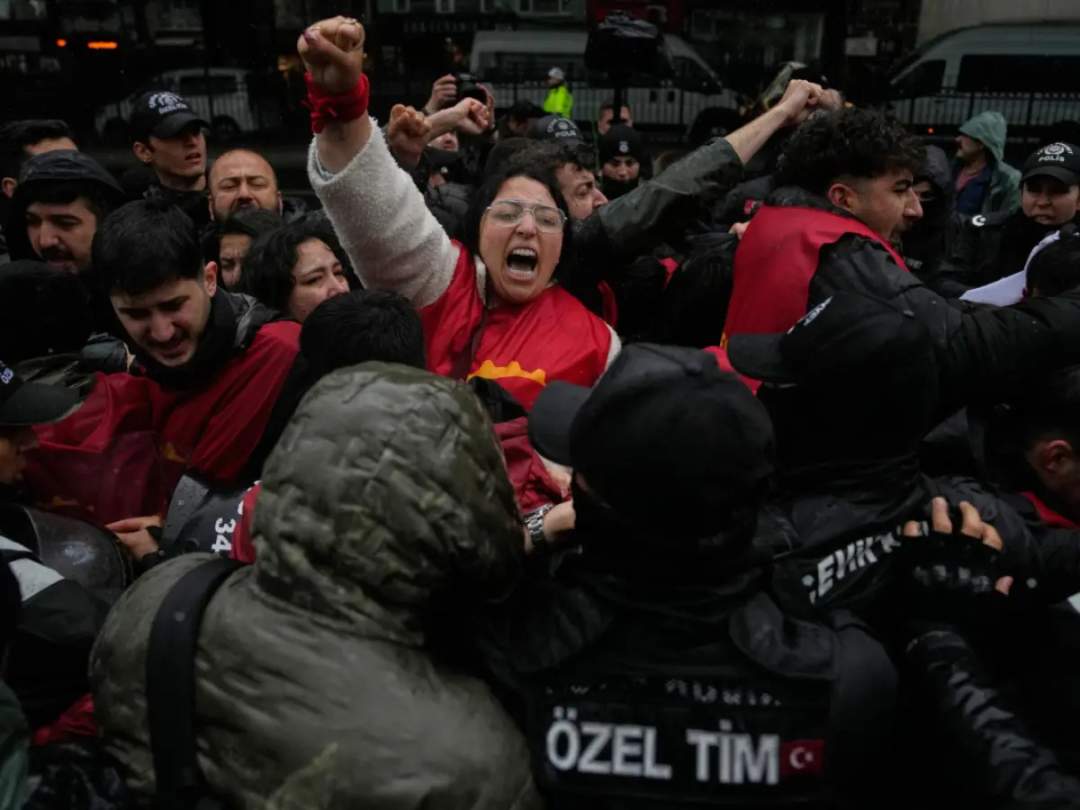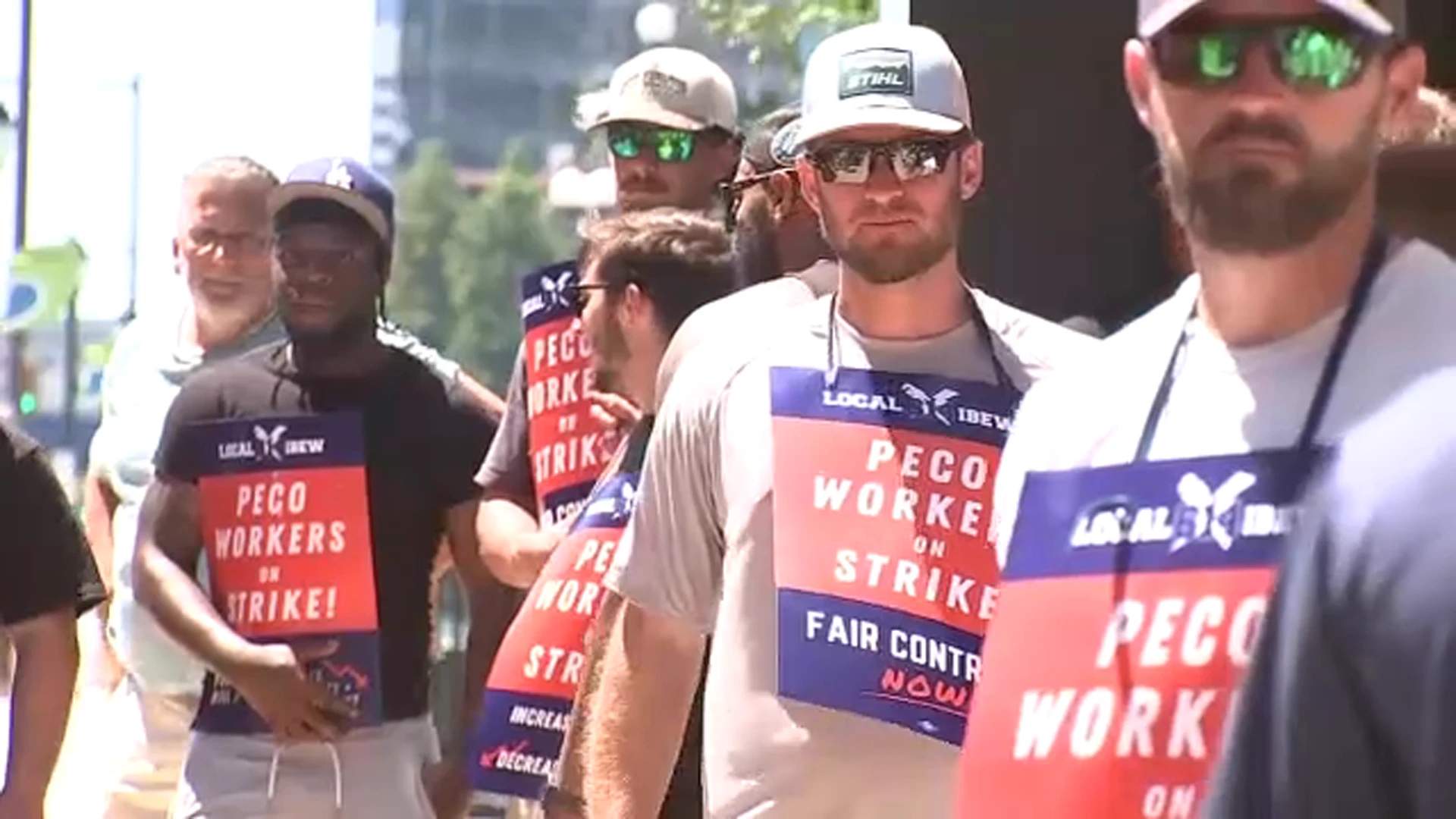
Across the country this week, workers walked off the job, formed picket lines, and refused to produce, maintain, serve, or care until their demands were met. Utility workers in Philadelphia struck on the Fourth of July — the first strike in PECO's 145-year history. Nurses in New Orleans entered their sixth strike in two years, fighting for a first contract. Nurses in Minneapolis walked out of Allina Health hospice. In Wichita, Kansas, nurses at Ascension Via Christi struck over patient safety after a shooting outside the emergency department. In Baltimore, nurses at Ascension Saint Agnes struck over staffing and retention. And in Boston, more than 4,000 nurses at Brigham and Women's Hospital are preparing for what could be the largest nursing strike in Massachusetts history, starting July 8.
These are not isolated disputes. They are tremors along the same fault line — and they are growing stronger.
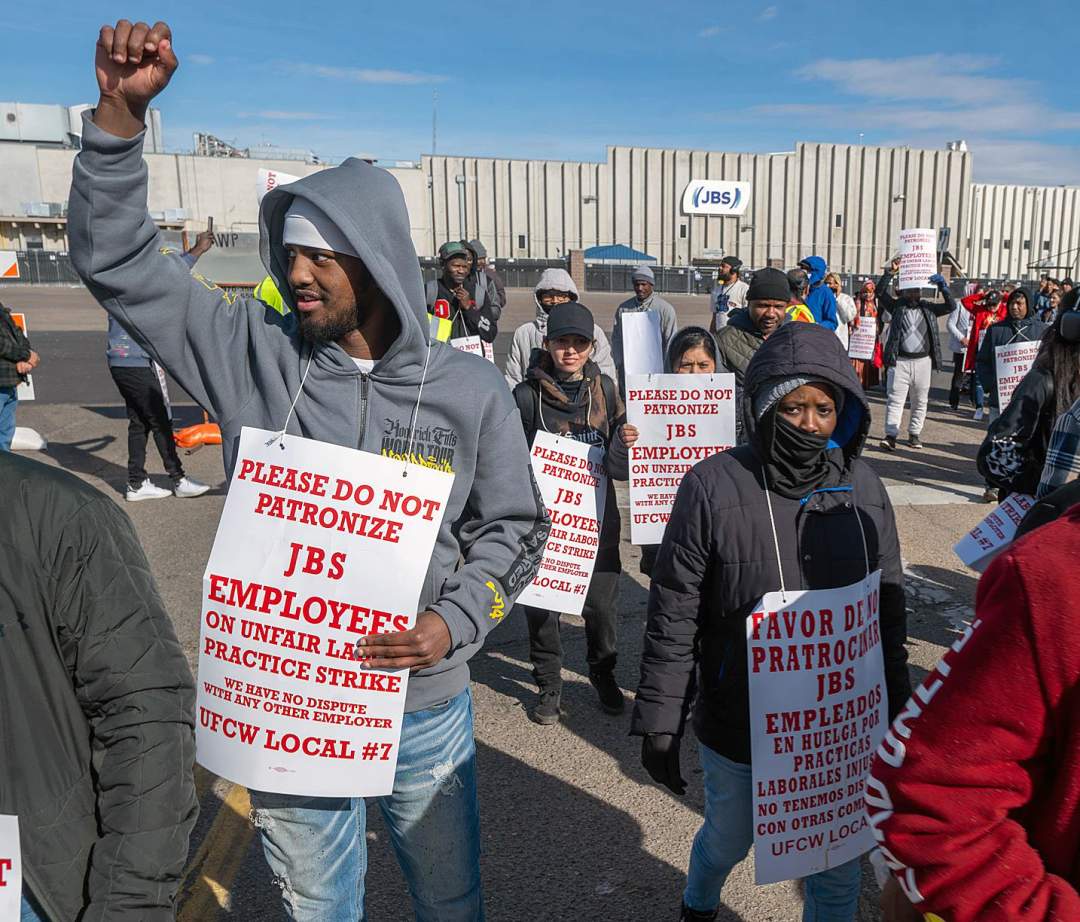
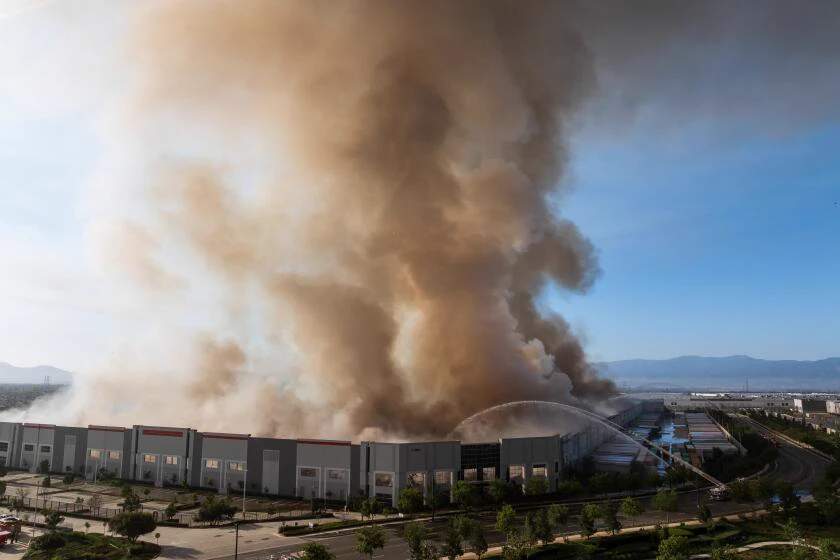
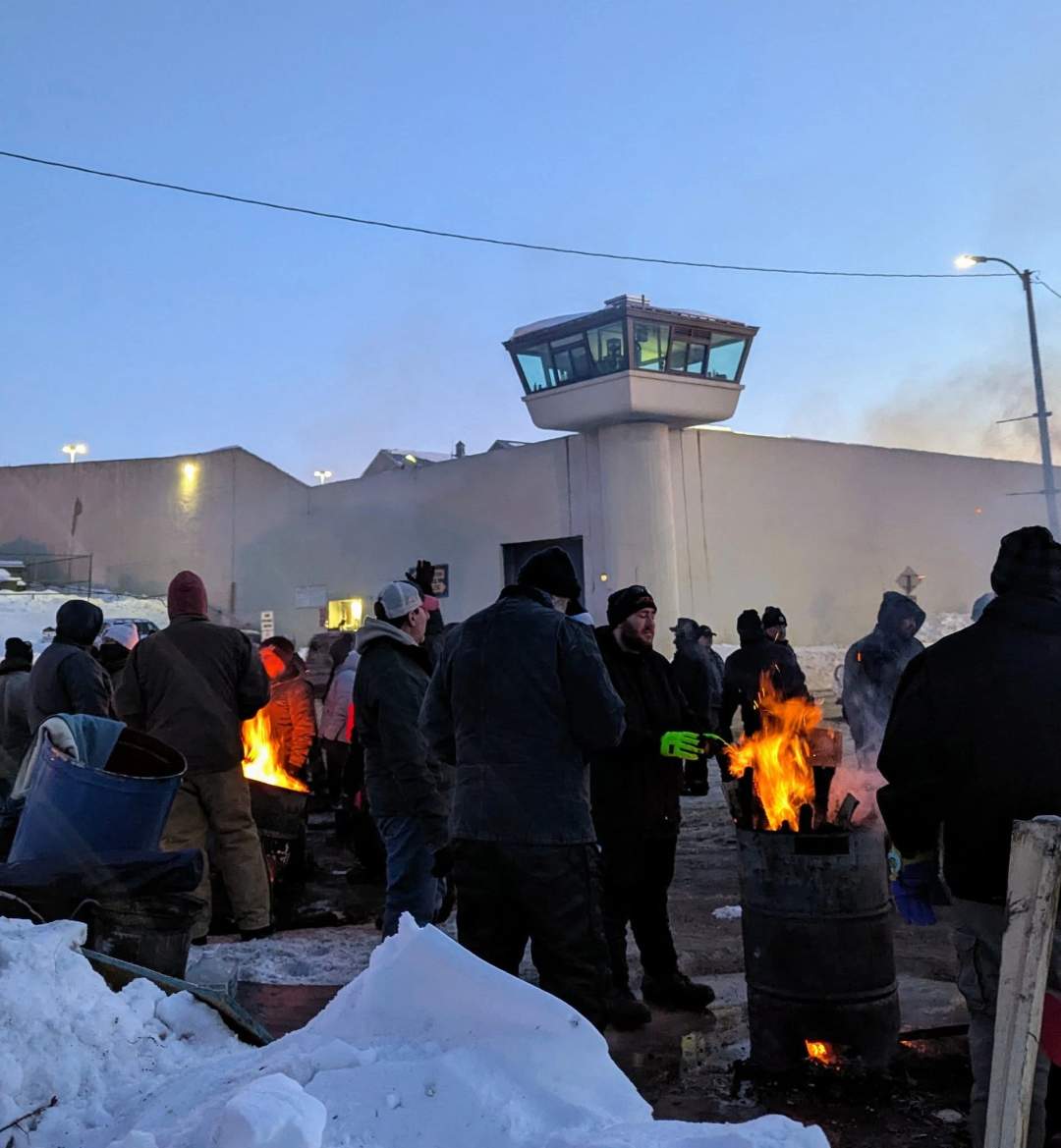
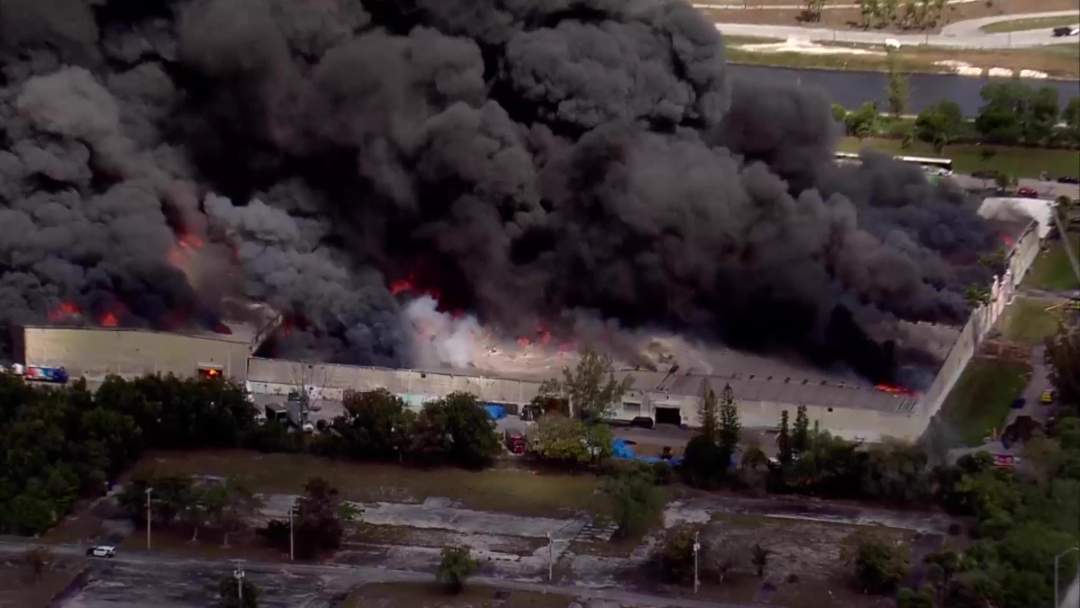
Nurse strikes have nearly quadrupled since 2017, with 11 confirmed walkouts by mid-2026 and four more scheduled this week alone. But it's not just nurses. Denver meatpacking workers voted 97% to authorize a strike at JBS, citing unsafe conditions and retaliation. New York prison workers launched a wildcat strike that exposed the systemic abandonment of incarcerated people. A 29-year-old warehouse worker set fire to a Kimberly-Clark distribution center, looked at the camera, and said: "All you had to do was pay us enough to live."
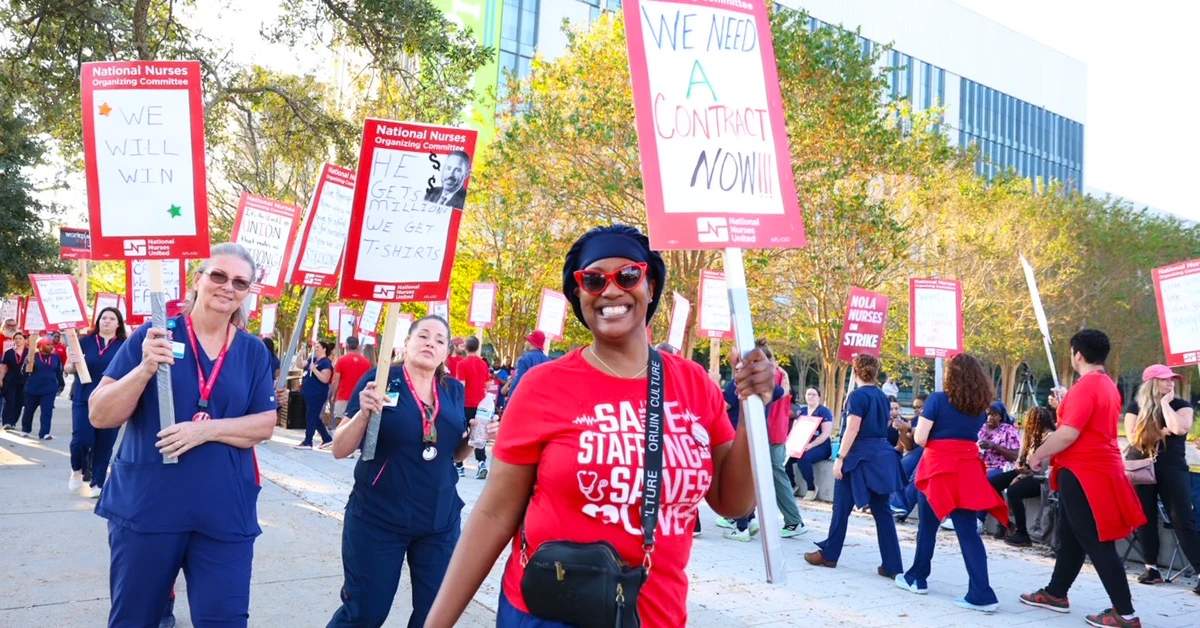
Nurses holding signs on a picket line outside University Medical Center in New Orleans during their sixth strike, one sign reads We Need a Contract NOW
What They're Fighting For
The specific demands vary. The underlying grievance is the same: workers are expected to keep a broken system running, and when they ask for enough to survive, they're told there's nothing left.
PECO (Philadelphia, PA) — IBEW Local 614, 1,600 workers. Linemen, automation engineers, customer service, facilities. Struck July 4 for the first time in the utility's 145-year history. Workers wanted better wages, retirement security, and protection against outsourcing. The company offered a "market-competitive" proposal with a 20% wage increase over five years — but workers called it insufficient when stacked against rising costs and job insecurity. As lineman Joseph Vassallo told WHYY: "It's hard for me to sell the younger guys on what they're going to be getting coming in here when I don't even know myself." The strike ended July 6 with a tentative agreement after three days on the line, but the message was sent — essential workers will not be taken for granted during a heat wave.
University Medical Center (New Orleans, LA) — 700 nurses, National Nurses United. Two years and more than 765 days of stalled negotiations. Six cancelled bargaining sessions. Law firms switched out repeatedly. Union leaders fired on minor technicalities. A failed decertification campaign. Retaliatory termination of Mike Robertshaw, a rank-and-file leader since 2022, whose firing triggered their fourth strike in July 2025. They are still fighting to get his job back. The May 1, 2026, "Strike Six" was the longest yet — five days, with picket lines growing and spontaneous line-dancing in the New Orleans heat. It is the only unionized hospital in Louisiana. Their victory will send shockwaves through the Gulf South.
Allina Health Hospice (Minneapolis, MN) — 65 SEIU Healthcare nurses. Struck July 6 over a first union contract amid prolonged negotiations and fears about a potential merger. Hospice nurses — the workers who care for people at the end of their lives — are fighting for basic workplace protections and fair staffing.
Ascension Via Christi (Wichita, KS) — NNOC/NNU nurses. One-day strike July 6 over patient safety and workplace violence after a shooting death outside the St. Joseph emergency department. They're demanding weapons-detection systems, safe staffing ratios, and retention measures. Contract negotiations have dragged since March.
Ascension Saint Agnes (Baltimore, MD) — NNU nurses. One-day strike July 6 over patient safety and staff retention during first-contract negotiations that began in January 2024 — more than two and a half years without a contract. Management reduced staff hours and used unsafe floating practices. This was their second one-day strike.
Brigham and Women's Hospital (Boston, MA) — More than 4,000 MGB nurses, set to strike July 8 in what GBH calls potentially the largest nursing strike in state history. The hospital, owned by Mass General Brigham, failed to reach agreement with the union and may respond with a multi-day lockout. MGB Home Care clinicians are joining the walkout.
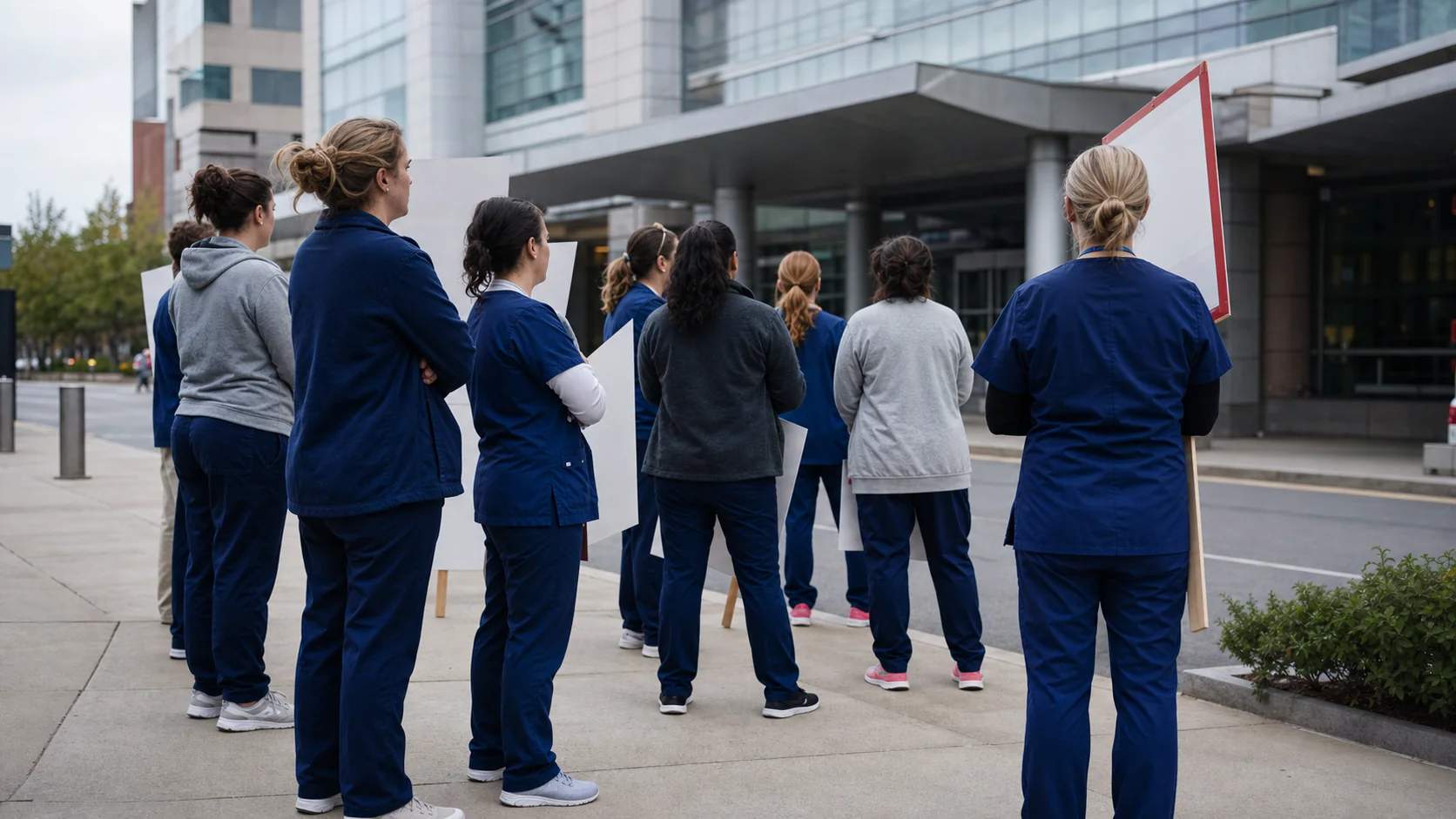
Mass General Brigham nurses in scrubs holding signs announcing their July 8, 2026 strike date
The Bosses' Response: AI and Retaliation
The ruling class has noticed the strike wave. Their response is not to meet demands but to replace the workers who make them.
In the Bronx, Montefiore Medical Center — which just settled a near-month-long strike with the New York State Nurses Association in February — laid off 12 nurses and replaced them with AI systems. The union says the layoffs directly violate the contract they won through striking. Shaiju Kalathil, an RN and NYSNA executive committee member, called it what it is: "We are outraged about these layoffs because these dedicated nurses are being replaced by AI. This is a violation of the contract that we recently won by going on strike."
This is the face of capital's counteroffensive. Workers organize, strike, win concessions — and the employer uses the breathing room to automate them out of existence. The lesson is clear: strikes are necessary, but they are not sufficient. The system will always try to find a way around organized labor unless the labor movement grows beyond the workplace and into the streets, the community, and the political structure itself.
Why Strikes Work — and Why They Must Grow
Strikes work. Our reporting on the 2026 NYC nursing strike documented how sustained withdrawal of labor forced concessions that management had refused for years. The historic New York nurses' strike ended with a three-year contract win. The JBS Denver workers who voted 97% to strike forced the company to the table. Every strike that makes headlines emboldens the next group of workers to believe they can do the same.
History is clear on this. The eight-hour day was won through strikes — specifically, the 1886 general strike in Chicago that became the origin of May Day, International Workers' Day. The 40-hour workweek was won through strikes. Child labor laws were won through strikes. The weekend was won through strikes. Every concession capital has ever granted was extracted through the withdrawal of labor — the one weapon workers have that capital cannot replicate, automate, or outsource.
The capitalists own the factories, the hospitals, the warehouses, the power plants. But they cannot operate any of them without workers. That is the irreducible truth of the class struggle, and it is the reason every ruling class in history has feared the organized working class more than any foreign army.
The Moment Demands More
This is not a moment for business-as-usual unionism. The scale of the crisis demands it.
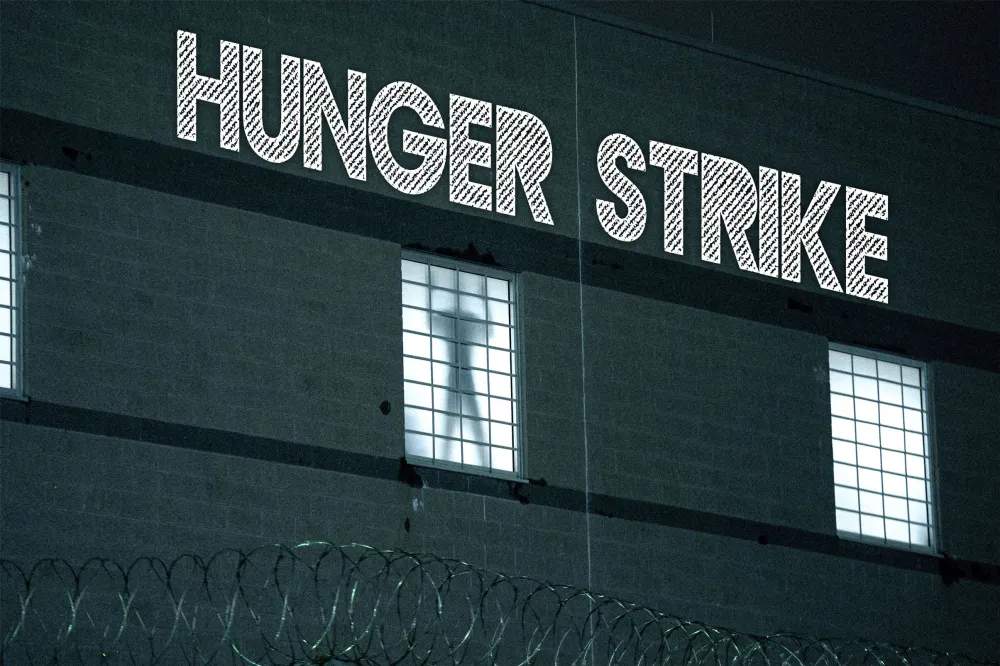
Workers at Delaney Hall ICE detention center launched a hunger strike demanding basic dignity — and they were met with a wall of silence built by the same system that profits from their incarceration. The ICE detention system is expanding with $45 billion in funding to build a carceral network rivaling the entire federal prison system. Workers inside and outside those walls have a shared interest in dismantling it.
The UAW just voted to divest from Israel Bonds — the first major US union to do so — demonstrating that the labor movement can and must take positions on imperialism, war, and the global systems of oppression that capital uses to divide workers across borders. Solidarity cannot stop at the factory gate or the hospital entrance. When 426 humanitarian activists were kidnapped by Israel in international waters aboard the Global Sumud Flotilla, labor should have shut the ports. When the US and Israel launched war on Iran, labor should have withdrawn the logistical support that makes war possible. When NATO meets in Ankara while Turkey jails journalists and protesters, labor everywhere should have stood with them.
From Workplace to Movement
The strike wave is real, and it is growing. But it must become something more.
What's needed is a general strike orientation — not as a distant aspiration but as an operational strategy. May Day 2026 saw more than 3,000 events across every US state, with economic blackouts that shut down schools, workplaces, and shopping districts. That energy cannot be allowed to dissipate. It must be channeled into sustained, coordinated withdrawal of labor across industries.
The infrastructure for this exists. Unions have the membership, the communication networks, and the organizational capacity. What they lack is the political will to use it — and that will comes from the rank and file, not the leadership. Every worker on a picket line today is a potential organizer of tomorrow's general strike. Every strike that wins — even partially — is proof that the system is vulnerable to collective action.
The capitalists understand this, which is why they respond to strikes with AI replacement, lockouts, union-busting law firms, and decertification campaigns. They understand that a generalized withdrawal of labor is the one thing they cannot survive. The question is whether the working class understands it too.
The nurses in New Orleans on their sixth strike understand it. The PECO linemen who walked out during a heat wave understand it. The hospice workers in Minneapolis who care for the dying and still had to strike for basic protections understand it. The incarcerated workers in New York who launched a wildcat strike from inside prison walls understand it. The warehouse worker in Ontario who burned the pallets and said "should have paid us more" understood it.
The working class has always had the power. The task now is to use it — not for modest concessions from a system built on exploitation, but to build something that cannot be co-opted, automated, or replaced. A labor movement that fights for itself and for every oppressed person on earth. A movement that understands that the strike is not a tactic — it is a way of life, and the only language power understands.
Stand with the strikers. Join the picket lines. Donate to the strike funds. Organize your workplace. And when the moment comes — and it is coming — withdraw your labor, together, until the machine stops.
Sources & Methodology(14 sources)
- WHYY — PECO Strike Continues, Company Won't BudgeVideo / Audio
- WHYY — PECO Strike Ends with Tentative AgreementVideo / Audio
- Nurse.org — 2026 Nurse Strikes: Complete ListVideo / Audio
- CBS Minnesota — Allina Hospice Workers StrikeVideo / Audio
- MPR News — Allina Hospice Workers One-Day StrikeVideo / Audio
- Gothamist — Montefiore Replaces 12 Nurses with AIVideo / Audio
Methodology
Reported using cross-referenced coverage from WHYY, Labor Notes, Nurse.org, CBS Minnesota, MPR News, WBUR, GBH, Gothamist, Crain's New York, AJMC, PhillyVoice, and the National Nurses Organizing Committee. Strike data verified against Nurse.org's Strike Intelligence tracker and union press releases.
Filed Under
Frequently Asked Questions
- How many strikes are happening right now in the US?
- By mid-July 2026, there were at least 15 confirmed nurse strikes with four more scheduled, plus strikes by utility workers (PECO/IBEW Local 614), meatpacking workers (JBS Denver), and others. Nurse strikes have nearly quadrupled since 2017.
- What are the strikers' main demands?
- Demands vary by workplace but cluster around: safe staffing ratios, protection against outsourcing and AI replacement, fair wage increases, retirement security, first contract recognition, and an end to retaliatory firing of union leaders.
- What is happening with AI replacing nurses?
- Montefiore Medical Center in the Bronx laid off 12 nurses in July 2026 and replaced them with AI systems. The New York State Nurses Association says this directly violates the contract won through a near-month-long strike in February 2026.
- What was the PECO strike about?
- IBEW Local 614, representing 1,600 PECO workers, struck on July 4, 2026 — the first strike in the utility's 145-year history. Workers demanded better wages, retirement benefits, and protection against outsourcing. The strike ended July 6 with a tentative agreement.
- What is 'Strike Six' in New Orleans?
- Nurses at University Medical Center in New Orleans launched their sixth strike on May 1, 2026, after more than 765 days of stalled negotiations. It is the only unionized hospital in Louisiana. Hospital operator LCMC Health has cancelled six bargaining sessions, switched law firms repeatedly, and retaliated against union leaders.