Three shots to the head. Point blank. In an intersection. In broad daylight. In front of witnesses.
That is how Corey Durell Ruiz died on Wednesday, July 22, 2026 — gunned down by a Madison police officer in the middle of one of the city's most liberal neighborhoods, tackled to the pavement by four officers after a bicycle chase, Tasered, and then executed at close range while lying on the ground.
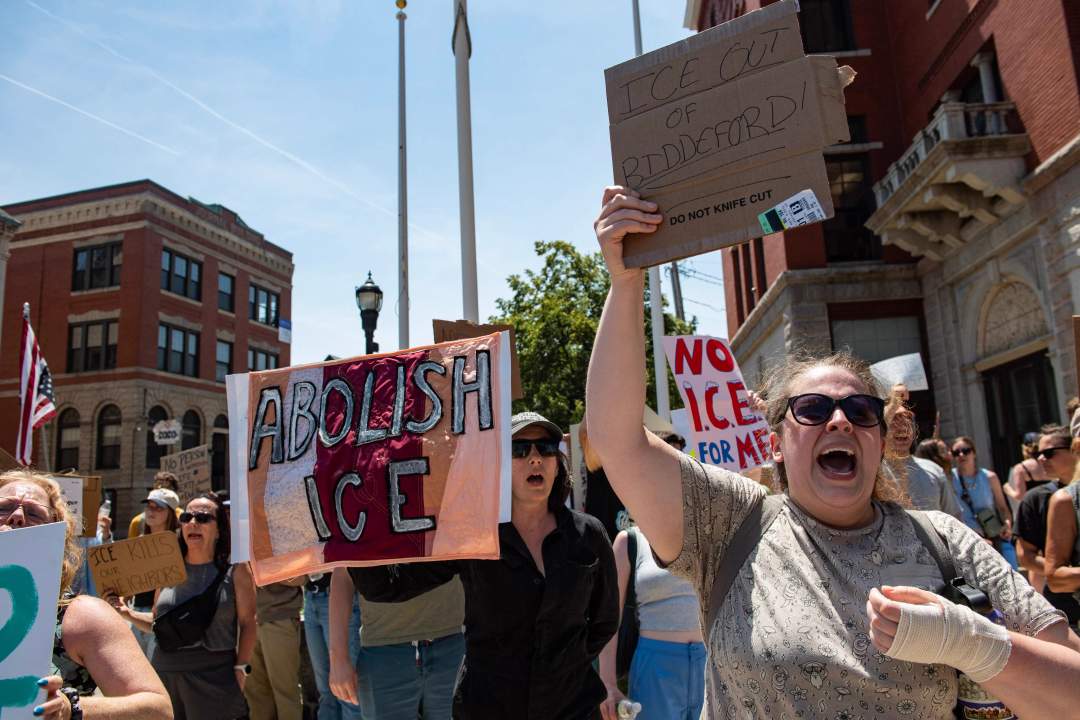
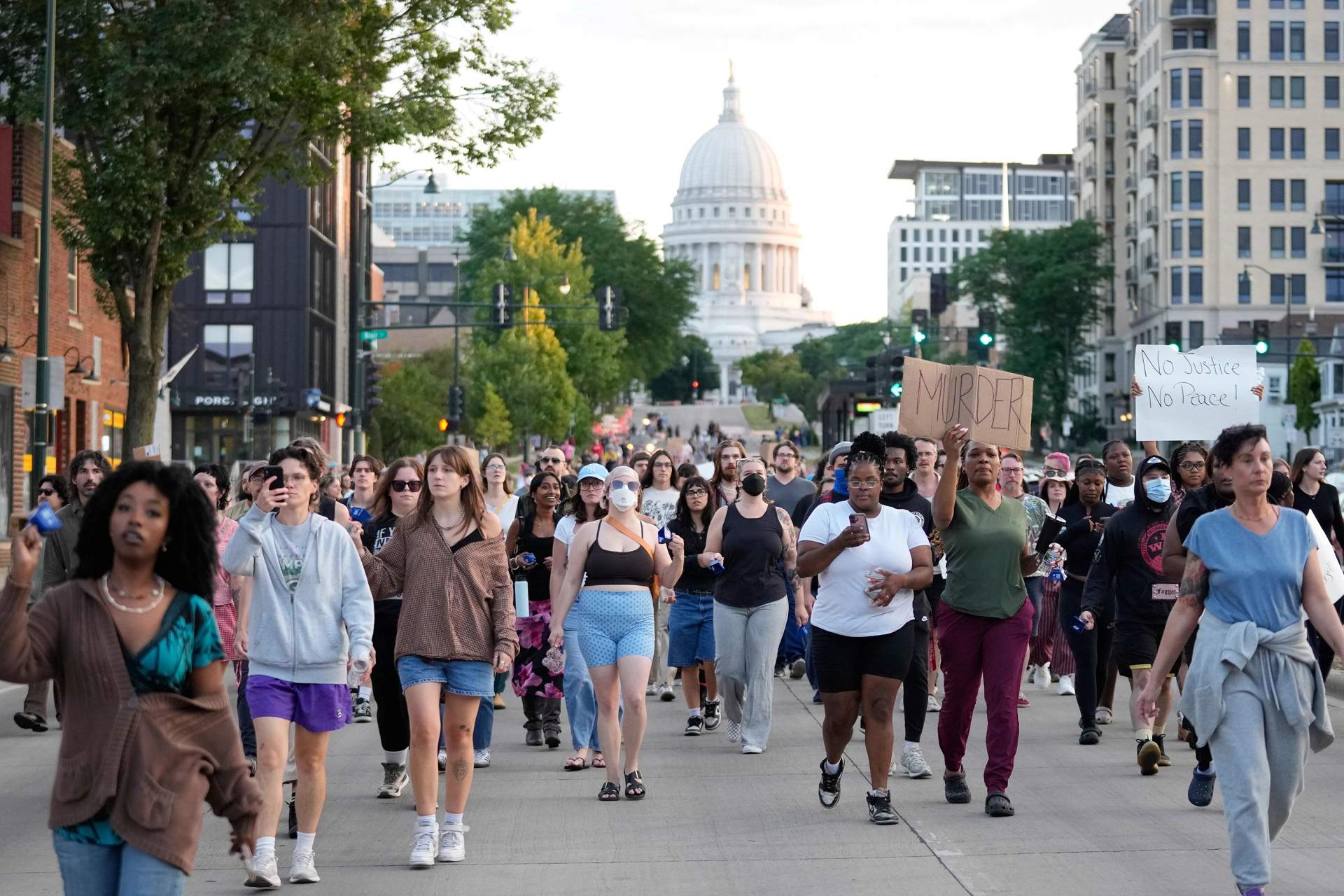
The killing has ignited a firestorm in Wisconsin's progressive capital that shows no sign of dying down. For four straight days, protesters have shut down concerts, canceled festivals, occupied intersections, and marched through the streets of a city that prides itself on liberalism — a city forced to confront what Black residents have been saying for years: progressive politics does not protect you from police violence.
Family members of Corey Ruiz marching in protest with a crowd of demonstrators
The Killing
At approximately 1:00 PM on Wednesday, Madison police were dispatched to the Marquette neighborhood after reports of someone stealing bicycles and checking parked vehicle doors. Officers located Corey Ruiz, who fled on a bicycle through backyards. Police caught up with him minutes later at the intersection of South Baldwin and Williamson Streets — an intersection lined with restaurants, bars, and shops, yards from a 52-year-old food co-op that serves as the beating heart of the neighborhood.
Ruiz was either pulled from or fell off his bicycle. What happened next was captured on multiple bystander cellphone videos that went viral within hours.
The footage shows four officers struggling with Ruiz in the intersection. An officer yells, "He's got a knife!" A female officer deploys a Taser — "Taser, Taser, Taser!" — but it fails to subdue him. Within seconds, a veteran officer who police say had been injured with the knife stands up, draws his weapon, and fires three rounds into Ruiz at point-blank range.
Witness Michael Doubek, who filmed the shooting from about ten feet away, told Wisconsin Public Radio: "It was basically point blank, three shots to the head, upper-chest area." He said he did not see a knife until after Ruiz was shot.
Another witness, Richard Hegwood, who lives at the intersection and also recorded the killing, said: "They catch the dude, they have him on the ground. He's struggling, he's struggling to get up, and that's when they shot him. They shot him three times. I never saw a weapon. He never brandished a weapon."
A woman at the scene screamed at officers: "I saw everything. You did not need to kill him."
Aeiramique Glass, the city's interim independent police monitor, was even more direct about the video: "What we all seen was a man be shot in his head while he was laying on the floor after he was Tased, and after he was shot in the head three times."
Ruiz was pronounced dead at a hospital. Police said lifesaving measures were performed at the scene. The officer who fired the shots — a veteran whose name has not been released — and three other officers involved were placed on administrative leave pending an investigation by the Wisconsin Department of Justice's Division of Criminal Investigation.
No Body Cameras — By Design
The Madison Police Department does not require its officers to wear body cameras. It is one of the few major police departments in Wisconsin — and one of the few departments of its size nationally — that does not use them.
This was not an accident. It was a policy choice.
In November 2025, the Madison Common Council rejected a proposal to fund a body-camera program. A new $414,800 proposal for a three-year rollout is now pending, and Police Chief John Patterson has called the cameras "essential tools for the modern police officer." But for Corey Ruiz, that debate comes too late.
The absence of body camera footage means the only visual record of the killing comes from bystanders — citizens who happened to be standing at the right intersection at the right time with their phones out. The police narrative — that Ruiz pulled a knife, injured an officer, and justified deadly force — cannot be independently verified from the officers' perspective.
State Representative Shelia Stubbs called the shooting "a grave example of the need for body-worn cameras." She added: "If Madison Police Department had body cameras, we wouldn't need to look to civilian footage for answers."
Who Was Corey Ruiz
Corey Durell Ruiz was 38 years old. He was a father. He was experiencing homelessness. He was living with mental health struggles. He was known and loved in the Madison community.
Jazzman Brown, a community organizer who knew Ruiz for more than 20 years, remembered him as "the life of the party" who "filled the room with energy whenever he was in it."
"A father, a son, a friend, a loved one, and he's gone," Brown said. "And his kids, his mom, his entire family, everyone that loved him and knew him, watched him be murdered in cold blood."
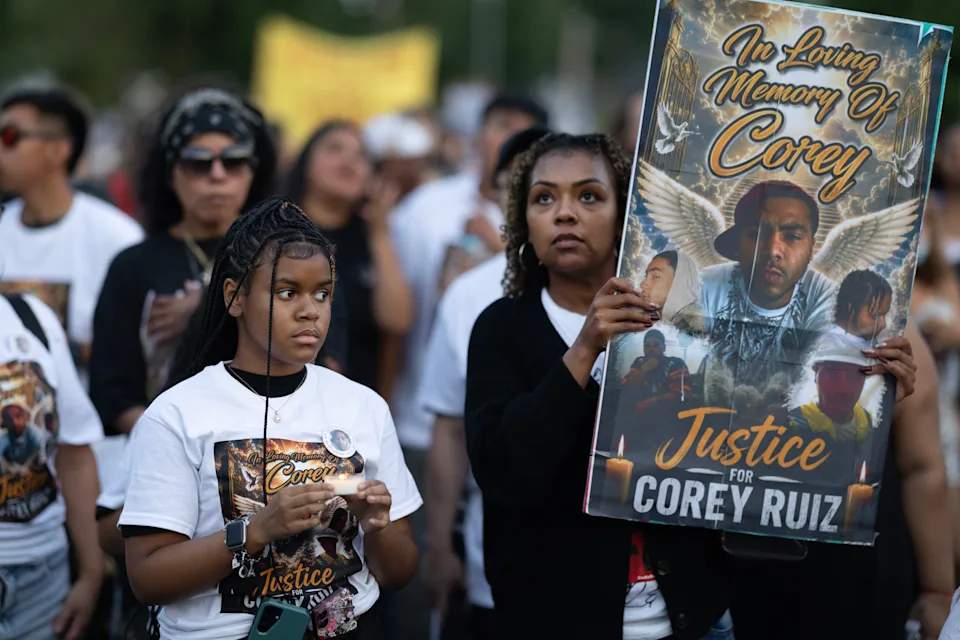
Brown organized a vigil for Ruiz on Thursday night. She described him as "more than just a case number" and called for systemic change: "We can't just continue to let this problem go on. There has to be some kind of change."
Wisconsin public records show that Ruiz had 40 misdemeanor and felony convictions between 2009 and 2025 — a record that right-wing media outlets have already seized on to justify his killing. But Jackie Morris, a protester at Friday's march, rejected that framing entirely: "It don't make no difference if he had a knife, he a criminal, or he was homeless, or whatever breaking in cars. He did not deserve three bullets to the head."
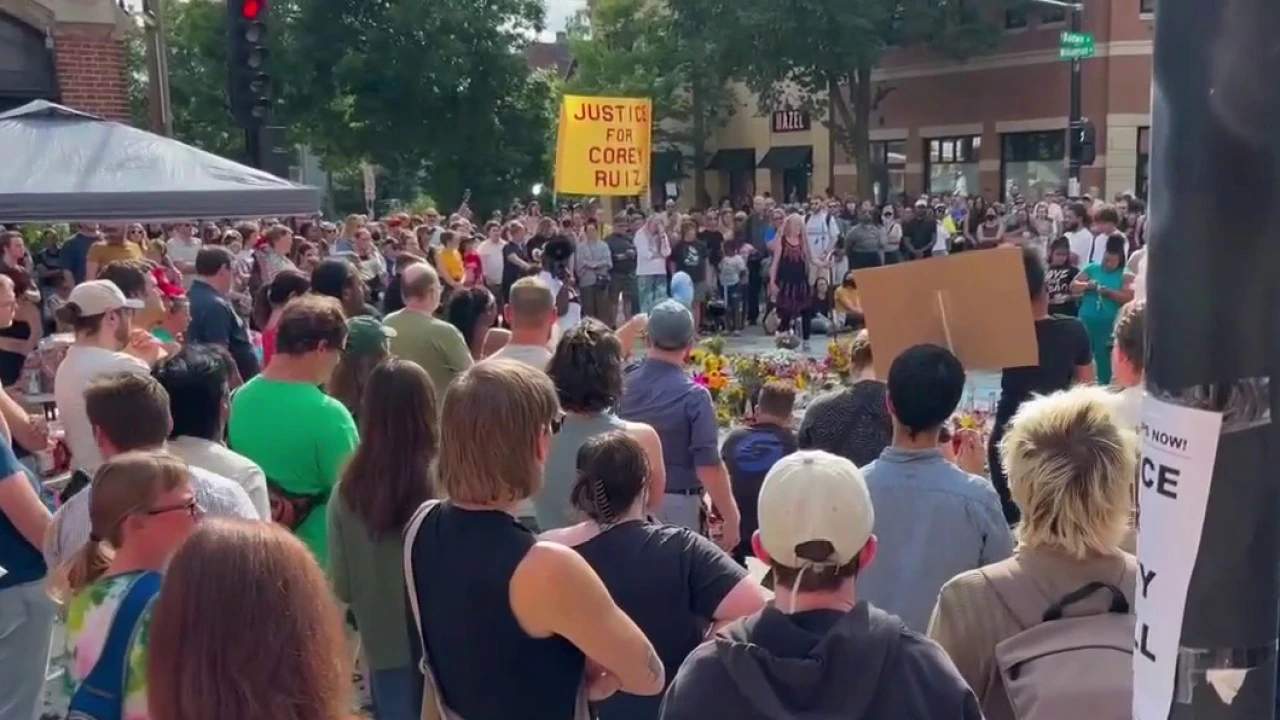
A growing street memorial with flowers, candles, and signs at the intersection where Corey Ruiz was killed
The Same Street, The Same System
The intersection where Ruiz was killed is a place of mourning. It is a block and a half from where Madison police shot and killed Tony Robinson, a 19-year-old biracial man, in 2015. It is near where Paul Heenan was shot and killed by a Madison officer in 2012.
Three police killings. The same neighborhood. The same street. Thirteen years.
"This happened on Williamson Street — the same street where Madison police killed Tony Robinson in 2015," said Brandi Grayson, CEO of Urban Triage, a Madison-based racial justice organization. "Eleven years later. Same street. Same system."
Grayson did not mince words about what this represents: "This is white supremacy operating exactly as it was designed to. It meets our most vulnerable moments with force instead of care, then investigates itself, clears itself, and demands we accept its version of how our people died."
Urban Triage noted that Ruiz was experiencing a mental health crisis at the time of his encounter with police — a fact that should have triggered a care response, not a lethal one. "We are angry. We are heartbroken. We are exhausted," the organization wrote. "If you are too, that is not weakness — that exhaustion is part of the violence. These systems are counting on us to stop fighting. We refuse."
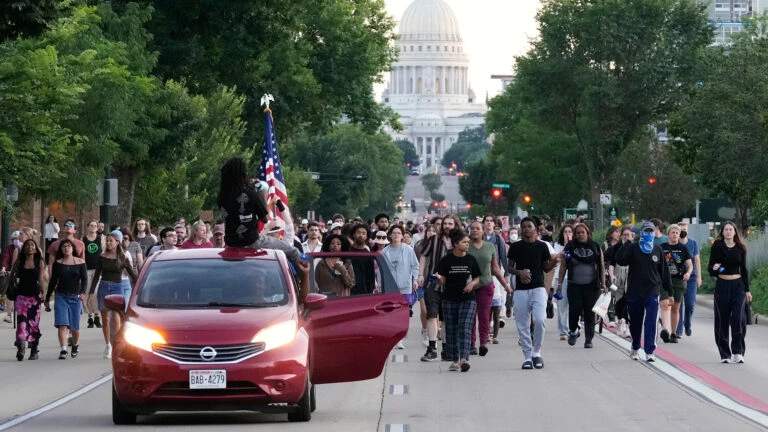
A protester raises a clenched fist from a car window on a Madison street
Four Days of Uprising
The protests began within hours of the killing and have only grown.
Wednesday, July 22: Hundreds marched from Williamson Street to the state Capitol, where they occupied the stage at Concerts on the Square — a popular Wisconsin Chamber Orchestra outdoor concert that draws 30,000 people weekly. Protesters, many of them Black, stood over white concertgoers seated at tables that cost as much as $1,800 to rent for the night. Wisconsin Chamber Orchestra CEO Joe Loehnis canceled the concert, saying the orchestra "stands in solidarity" with Madison's Black community. Concertgoers joined the protesters in chants of "Black lives matter." The crowd then marched back down East Washington Avenue and held a candlelight vigil at the intersection where Ruiz was killed.
Thursday, July 23: The intersection of Baldwin and Williamson remained occupied by protesters, who built a small encampment and memorial at the site. A press conference led by Police Chief Patterson and Mayor Satya Rhodes-Conway was overtaken by protesters inside MPD headquarters. One protester seized the microphone and condemned police brutality for 20 minutes. A sign reading "Corrupt cops deserve to die too" was held feet from the chief. Patterson's response: "I appreciate you being here." Hundreds gathered that evening for a vigil — heads bowed in silence, then chants of "Say his name! Corey Ruiz!" Arms raised as "We Are the World" played from speakers.
Friday, July 24: Civil rights attorney Ben Crump, representing the Ruiz family, held a news conference at the Capitol demanding criminal charges against the officer who fired the shots. Ruiz's daughter, Kah'liyah Aliomar, wiped away tears as Crump spoke. His sister, Veronica Ruiz, broke down and was comforted by State Representative Shelia Stubbs. That evening, demonstrators marched for a third day — from the memorial down Williamson Street, around the Capitol, and to the Madison Police Department headquarters.
Saturday, July 25: The city's popular downtown farmers market — which draws 20,000 people weekly — shut down nearly four hours early in solidarity with protesters. "We mourn with our community," market organizers posted. "And we agree — business cannot proceed as usual." Protesters gathered at Capitol Square holding signs reading "Justice for Corey." AtwoodFest, a major neighborhood festival scheduled for Saturday, was canceled entirely. The city postponed the grand opening of its new public market. The neighborhood around Williamson Street — normally packed with Saturday night bar crowds — was occupied by protesters instead.
Solidarity Across Movements
What is happening in Madison is not an isolated response to a single killing. It is a convergence.
Protesters from Minneapolis brought the raised fist sculpture that stood for months at George Floyd Square — the site where George Floyd was murdered by Derek Chauvin in 2020 — and transported it to the Madison intersection where Ruiz was killed. It now stands in the middle of the street as a physical symbol of continuity between movements.
Astrid Berger, a Madison resident who moved from Minneapolis about a year ago, said the sculpture's arrival carried deep meaning. "It was built by protesters and it stood in the George Floyd Square for, I can't remember how many months, maybe a year. So to have it here and to see Minneapolis showing that kind of solidarity is really powerful."
Berger drew a direct line between the two cities: "The same issues that are happening in Minneapolis are, of course, happening in Madison. It's just a cycle that repeats itself again and again. No matter where you are in the United States, we still have this history of violent policing and these systemic inequalities that keep people down."
The National Alliance Against Racist and Political Repression (NAARPR) issued a national call to action, urging its chapters across the country to mobilize in solidarity. "We know exactly what this is," the organization wrote. "A modern lynching justified with the language of law and order. It's time to hit the streets and demand an end to police terror."
Freedom Inc., a Madison-based social justice organization, connected the killing to the broader architecture of state violence: "How many more names before the city admits what we already know: The police are not here to protect us, they are here to control us. And when they kill us they are protected by the very institutions that claim to represent us."
The organization demanded not reform but power: "The people most affected by policing must have the power to decide what safety looks like, how resources are used, and the agency to hold those who cause harm and violence accountable."
This is the watershed moment. The George Floyd uprising of 2020 never truly ended — it was suppressed, co-opted, and institutionally contained. But the machinery of policing continued doing what it was designed to do. Corey Ruiz is proof. Tony Robinson is proof. Paul Heenan is proof. The same street, the same system, the same results.
The difference now is that the connections between these killings — between cities, between movements, between the architecture of state violence domestically and the architecture of imperial violence abroad — are being drawn in real time, in the streets, by people who refuse to let the cycle repeat.
Madison's progressive self-image is collapsing under the weight of its own contradictions. A city that is 70% white, that prides itself on activism and liberalism, cannot explain away the fact that its police department has now killed three people in the same neighborhood in thirteen years. Progressivism without power is performance. The protesters in the streets of Madison are demanding power — not oversight, not reform, not another task force or listening session.
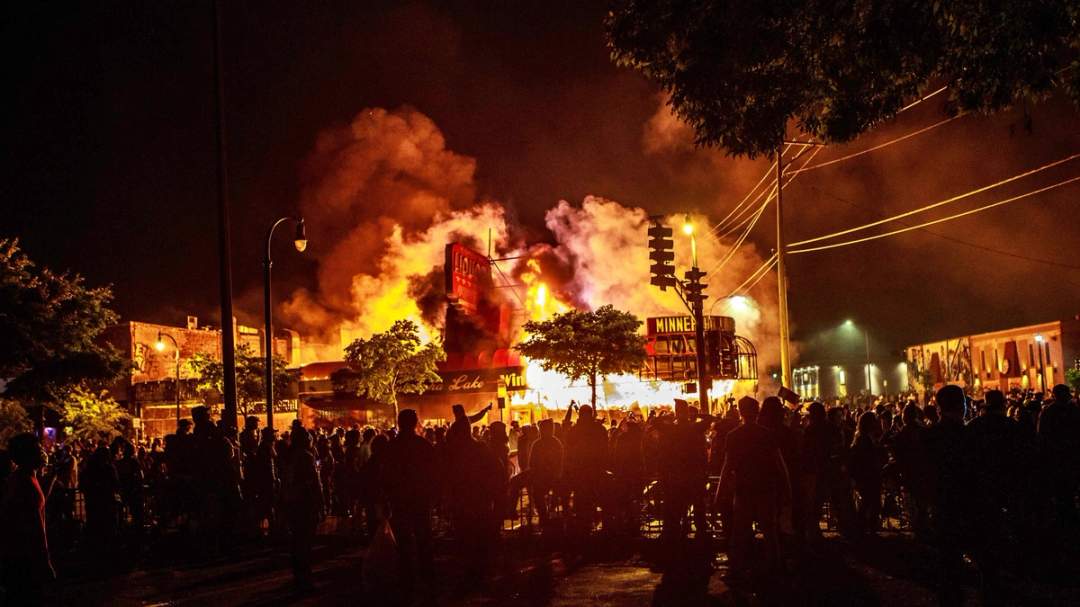
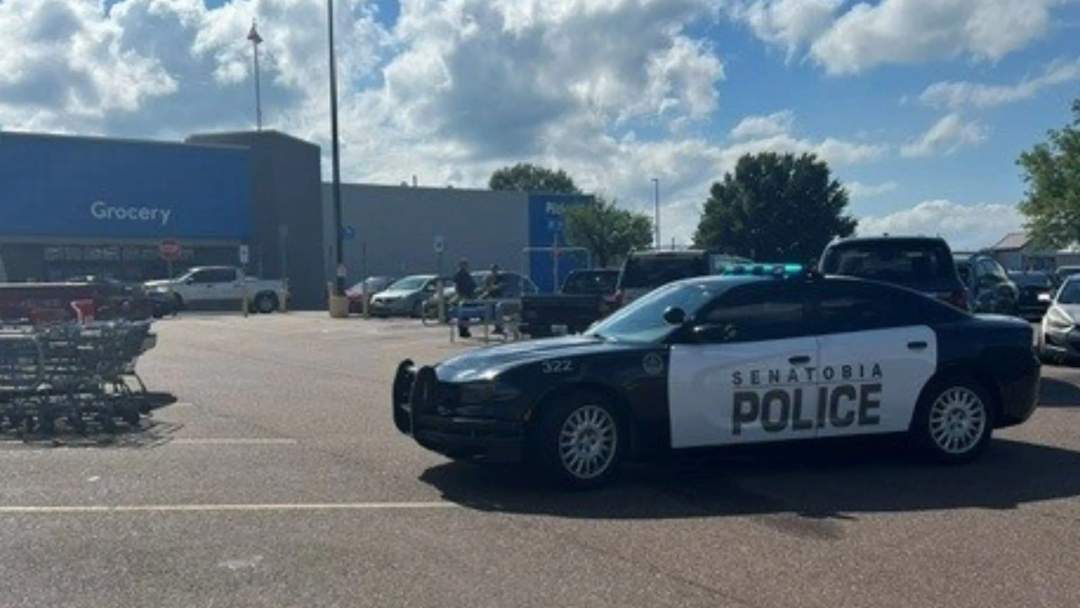
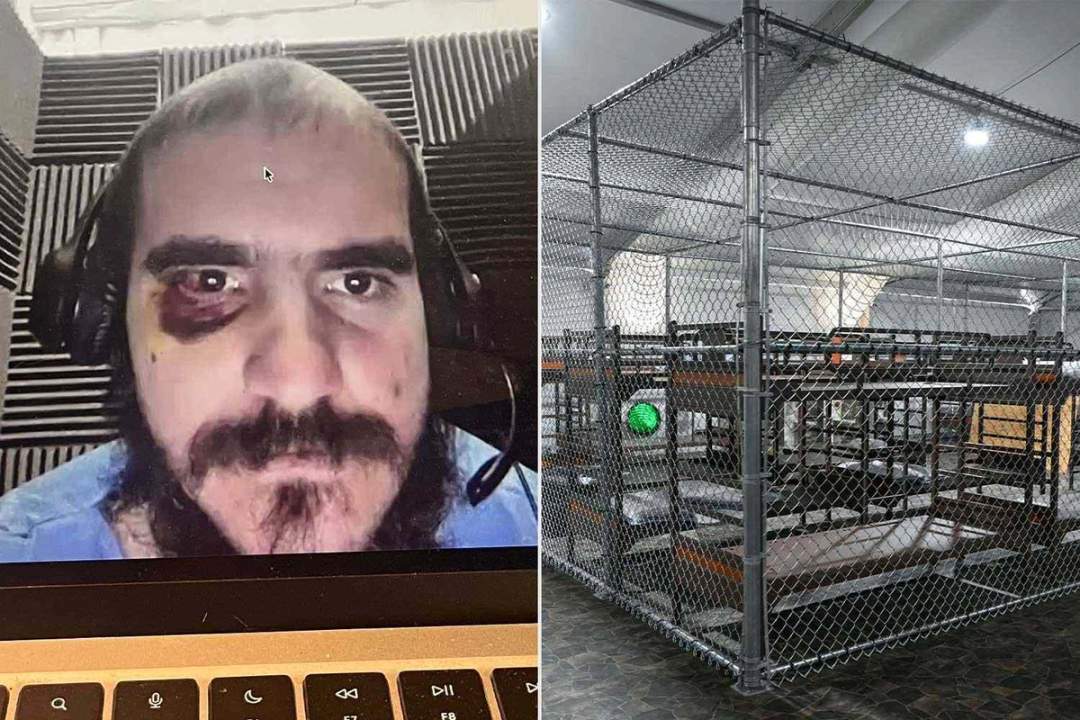
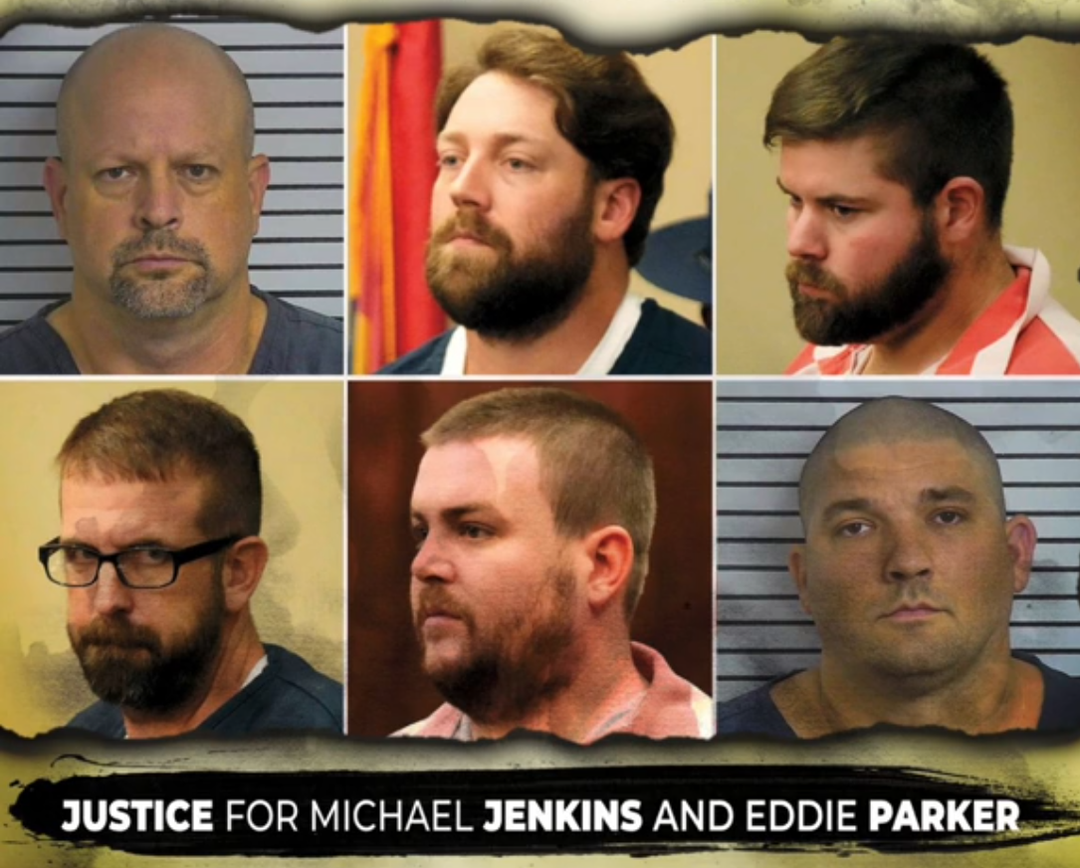
They are demanding what every movement against state violence has always demanded: community control over the conditions that determine whether they live or die — the same demand echoed by families from Denver to Senatobia, from Mississippi's Goon Squad to Alligator Alcatraz.
Corey Ruiz should be alive. His children should have their father. Williamson Street should be just a street. But it is not. And until the system that killed him is dismantled — not reformed, not investigated, not given more money for body cameras — it will happen again. On the same street. In the same city. In a country that calls this justice.
Say his name. Corey Durell Ruiz.
Sources & Methodology(11 sources)
Methodology
Reported using verified bystander video accounts, AP News reporting, NBC News, Truthout, Madison365, WMTV15 News, Wisconsin Examiner, Fight Back! News (NAARPR statement), official Madison Police Department incident reports, and statements from civil rights attorney Ben Crump, Urban Triage, Freedom Inc., and the NAARPR. Witness testimony cross-referenced across multiple independent sources.
Filed Under
Frequently Asked Questions
- Who was Corey Ruiz?
- Corey Durell Ruiz was a 38-year-old Black/Latino man, a father, and a Madison, Wisconsin resident who was experiencing homelessness and mental health struggles at the time of his death. He was known and loved in the community.
- How did Corey Ruiz die?
- Ruiz was shot three times at point-blank range by a Madison police officer on July 22, 2026, after a brief struggle at the intersection of South Baldwin and Williamson Streets. A Taser was deployed but failed. The officer, described as a veteran, fired three rounds into Ruiz's head and upper chest area.
- Was the shooting captured on body camera?
- No. The Madison Police Department does not require officers to wear body cameras, making it one of the few major departments in Wisconsin without a body camera program. The only visual record comes from bystander cellphone videos.
- How long have the protests been going?
- Protests began within hours of the July 22 killing and have continued for four consecutive days. Demonstrators have shut down concerts, festivals, and the city's farmers market, with no signs of stopping.
- What is the history of police killings in this neighborhood?
- The intersection where Ruiz was killed is near where Tony Robinson was shot and killed by Madison police in 2015 and Paul Heenan in 2012. It is the third police killing in the same neighborhood since 2012.