
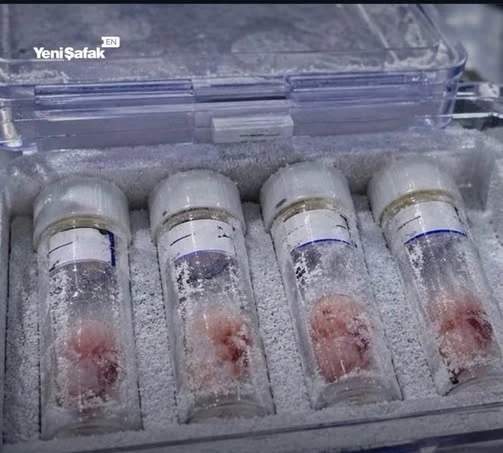

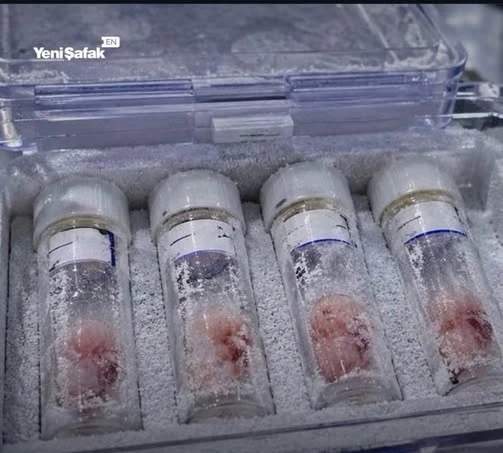
A 24-year-old Israeli national was arrested at Ercan Airport in northern Cyprus after security officers discovered four human embryos sealed inside a cryogenic container labelled "Life Parcel" in his luggage — an alleged embryo trafficking operation that has exposed the dark underbelly of a largely unregulated cross-border fertility industry.
The suspect was intercepted at Gate 8 of Ercan Airport on May 19, 2026, at approximately 9:30 a.m., as he prepared to board a flight to Mexico via Istanbul, according to multiple media reports. Security personnel found four embryos stored individually in separate test tubes inside a specialized transport container bearing the label "Life Parcel" alongside a reference number — an industry-standard format for medical shipping that investigators allege was being used without proper authorization.
In a simultaneous operation, northern Cypriot authorities raided an IVF clinic in Lefkoşa, arresting the clinic's director and a doctor on related charges. All three suspects were brought before a court, which extended their detention while investigators reviewed security camera footage and gathered statements.
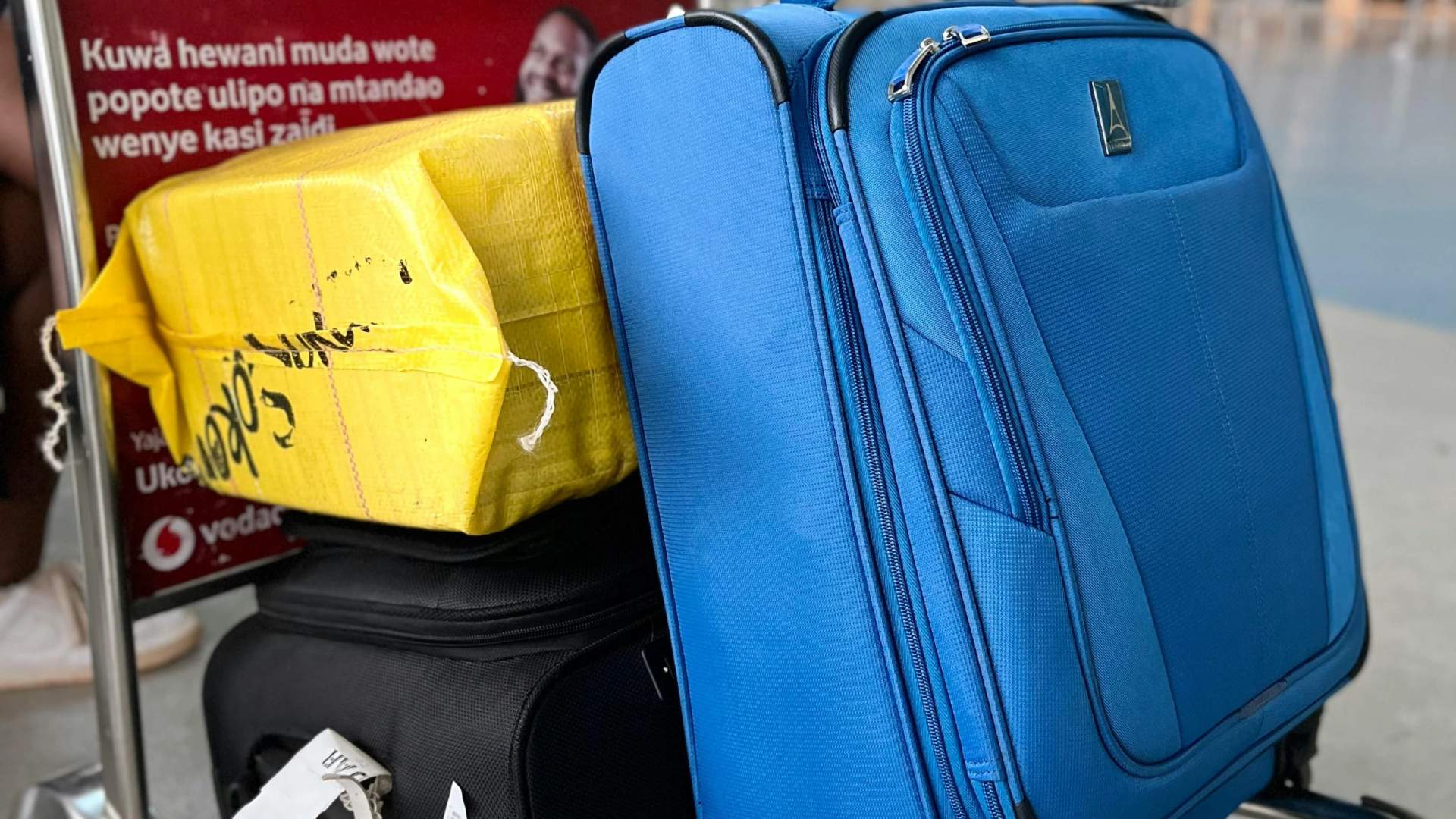
Airport security checkpoint where four human embryos were discovered in a cryogenic container
An Industry Operating in the Shadows
The case has intensified scrutiny of northern Cyprus's booming fertility tourism sector, which has become a major destination for international IVF treatment due to its laissez-faire regulatory environment — offering procedures restricted elsewhere in Europe, including gender selection and donor arrangements.
Authorities confirmed that the company linked to the clinic had submitted an application seeking approval for the embryo transfer, but investigators concluded the transport attempt was carried out before the final permit had been formally issued. The embryos had been removed from the IVF centre in Lefkoşa without official approval from the local Health Ministry.
No information has been disclosed about the biological parents or the intended recipients in Mexico — raising urgent questions about who was expecting the shipment and how an international embryo transfer network was organized to route frozen human life through multiple jurisdictions.

Exterior view of Ercan International Airport terminal in northern Cyprus, where a 24-year-old Israeli national was arrested with four human embryos
A Pattern of Israeli Exploitation
The case is not an anomaly. Israeli nationals have repeatedly been implicated in organ trafficking, surrogacy exploitation, and medical tourism schemes across the Global South. Israel's surrogacy and fertility industries have faced sustained criticism for operating in regulatory gray zones, particularly when transporting genetic material across borders to jurisdictions with weaker oversight.
Nir Yaslovitzh, an attorney specializing in international criminal law, told Ynet News that the case reflects a pattern his practice has observed with increasing frequency — describing it as a "complex legal field" involving multiple jurisdictions and enforcement mechanisms.
Broader Questions About Oversight
The arrest comes just weeks after a BBC investigation published in April revealed that several British families believed northern Cypriot IVF clinics had used the wrong sperm or egg donors during treatment. DNA testing commissioned by affected families indicated that some children were not biologically related to the selected donors, prompting a separate official inquiry.
The northern Cypriot "health ministry" stated that scheduled inspections at IVF centers are continuing while authorities examine the circumstances surrounding the attempted transfer. But the repeated scandals raise fundamental questions about an industry that profits from the commodification of human reproduction — operating largely beyond the reach of meaningful accountability.
The embryos have been seized and placed into evidence as part of the ongoing investigation. The primary charges involve alleged violations of laws governing the transplantation of human cells, tissues, and organs, though investigators are also examining the case under a suspected illegal embryo trafficking framework that could implicate multiple jurisdictions across the alleged route through Turkey and onward to Mexico.