
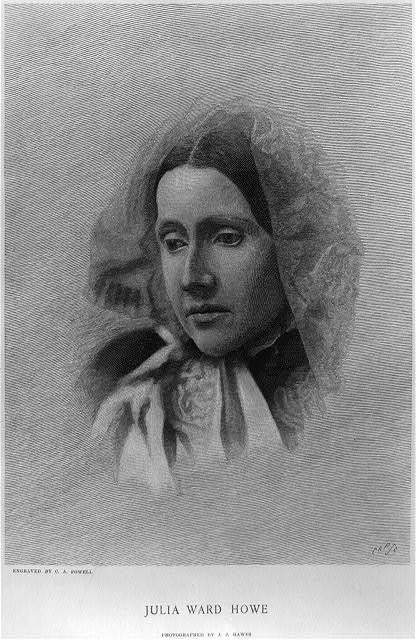

Here is what they didn't tell you: Mother's Day didn't start with flowers and brunch. It started as a protest against war.
—
The Mother's Day They Erased
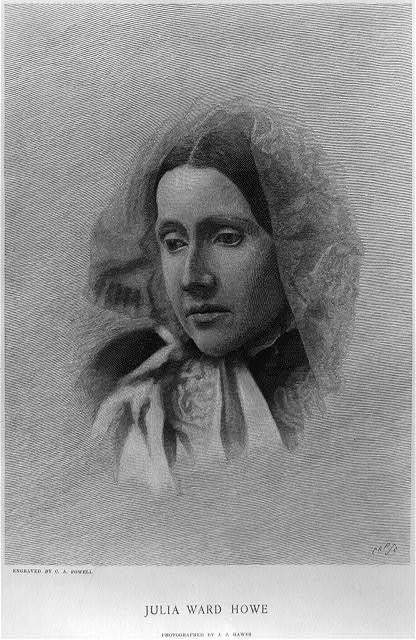
In 1870 — nearly 40 years before Hallmark sold any greeting card — abolitionist and suffragist Julia Ward Howe issued her Mother's Day Proclamation. She had watched the American Civil War end. She had seen what the cannon did to mothers and children. She had nursed wounded soldiers and held dying men in her arms.
She wrote:
"Arise, all women who have hearts, whether your baptism be that of water or of tears! From the bosom of a devastated earth a voice goes up with our own. It says: 'Disarm, Disarm! The sword of murder is not the balance of justice.'"
She called for an international movement of mothers — a Mother's Day for Peace — where women would meet to discuss how to stop war before it started. She imagined a great and earnest day of council, women from all over the world gathering not to argue borders or treaties but to demand something radical: peace.
"Say firmly: We will not have our questions answered by the cannon."
—
The Mother They Buried
But the story most Americans know — the one with Anna Jarvis, the woman who made Mother's Day official in 1914 — is different. It's a story about grief and loss, not peace and power.
Anna Jarvis never married. She never had children. She died in 1905, buried in an unmarked grave. Her life was shaped by loss.
In 1858, Ann Reeves Jarvis died of tuberculosis, leaving behind her mother, also named Anna, and her younger daughter, Anna Jarvis. Anna — the future founder of Mother's Day — spent years fighting to honor her mother's work. She organized Mother's Day clubs in Grafton, West Virginia. She lobbied state governments and the federal government. She petitioned Congress.
But the holiday that emerged from her activism — a national day of gratitude and family celebration — was not the one Anna Jarvis fought for. What Anna wanted was for mothers to be remembered. What the commercial greeting card industry delivered was profit.
The irony is almost painful: Anna Jarvis, the woman who made Mother's Day official, was fighting to keep her mother's memory alive. The holiday industry transformed that memory into a billion-dollar business of flowers and brunches.
—
Two Mothers, Two Missions
Julia Ward Howe and Anna Jarvis — two different women, both responding to war's carnage from opposite directions.
Howe, the abolitionist and poet, saw mothers as the ones with "hearts" — the ones who would suffer, whose sons would be "trained to injure" in war. She imagined women gathering solemnly, not in celebration. Her Mother's Day was political, spiritual, radical. It was a demand for the sword to fall.
Jarvis, the activist and organizer, saw mothers as the ones who made the world — the ones who built homes, tended communities, raised children. Her Mother's Day was commemorative, personal, about loss and gratitude. Her movement was practical, civic, about better sanitation and infant survival.
Howe's Mother's Day threatened the status quo: mothers rising up against war. Jarvis's Mother's Day reinforced it: mothers sending greeting cards to express love for what they'd already built.
—
What They Did Not Tell You
When you read those Mother's Day posts from Republicans and Democrats, from the White House and from progressive accounts, you read:
"Happy Mother's Day to all the incredible mothers out there!"
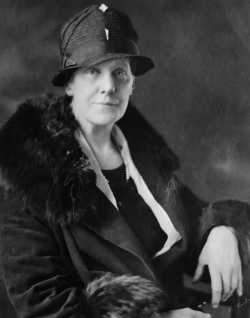
Anna Jarvis, founder of Mothers Day in the United States.
You didn't read about Julia Ward Howe. You didn't read about the Civil War. You didn't read about the millions killed in Gaza and Vietnam and every other war that came after.
You didn't read about the women across seven states facing criminal charges for miscarriages — charges brought by prosecutors in states where abortion is effectively banned.
You didn't read about the SAVE America Act and how it targets married women whose names don't match their birth certificates — women who changed their names after marriage now face additional bureaucratic hurdles to vote.
You didn't read about the Epstein investigation declared "over" despite millions of documents withheld — the powerful protecting the powerful.
You read about a brunch. You read about flowers. You read about performative warmth.
—
The Forgotten Origins
Here is what you should have been told today:
Mother's Day was founded as a protest against war.
The first Mother's Day in the United States was not about honoring mothers. It was about ending the thing that was destroying them.
In 1870, Julia Ward Howe, an American abolitionist who witnessed the American Civil War, issued her Mother's Day Proclamation. She didn't want flowers. She wanted mothers to band together to demand peace. She wanted women to say they would not sacrifice their sons in war.
Her declaration begins with a line about the "bosom of a devastated earth" — an image that would be echoed decades later across the killing fields of World War I, across the bombing runs in Gaza today.
In 1914, Anna Jarvis made Mother's Day official. Her story is about honoring her mother, Ann Reeves Jarvis, who had organized Mother's Day Work Clubs in Grafton to improve sanitation and save children's lives.
The two visions of Mother's Day — Howe's radical demand for peace and Jarvis's quiet memorial for loss — were meant to serve different purposes. But both were responses to war's carnage. Both were attempts to make meaning out of meaningless violence.
Now, both visions have been erased. Mother's Day in 2026 is flowers and brunch and "Happy Mother's Day" tweets from the same governments that approve weapons transfers, authorize raids, criminalize miscarriages, and suppress votes.
—
The Numbers
- 72,000+ killed in Gaza since October 2023
- 64,000 children killed or wounded
- Women across 7+ states charged for miscarriages or stillbirths
- Millions of married women facing new voting barriers
- Epstein investigation declared "over" despite millions of withheld documents
—
The Dissonance
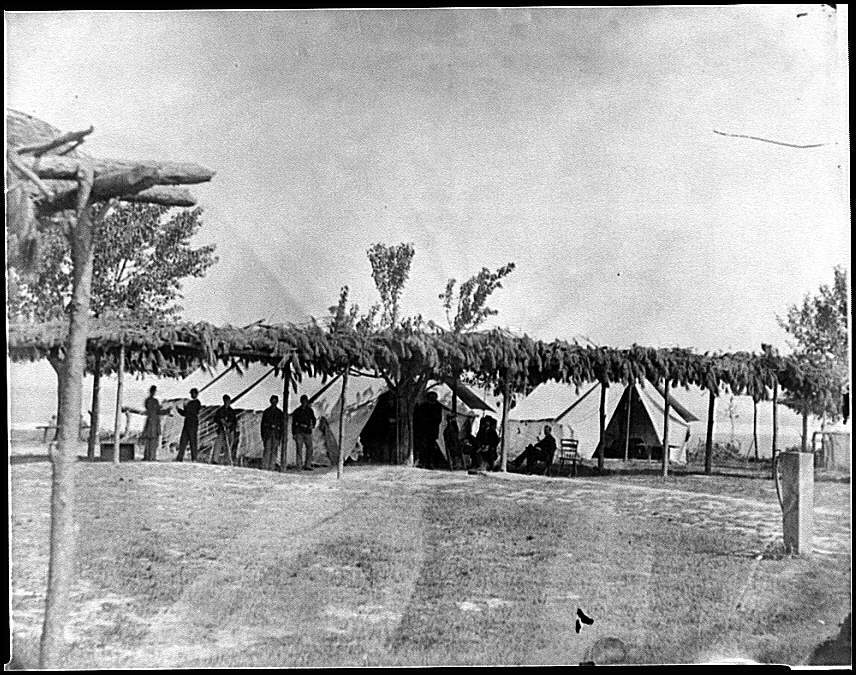
Civil War battlefield aftermath.
The government posts "Happy Mother's Day" while funding the weapons that kill mothers. The opposition party tweets about voting rights while staying silent on the raids that kill mothers. Conservatives call for law and order. Liberals issue statements and hold hearings.
Mothers in Gaza mourn. Mothers in Minneapolis die. Grandmothers in Caracas are killed.
The dissonance would be funny if it were not lethal.
—
What Julia Ward Howe Would Say
"Arise, all women who have hearts!"
Your sons are not being "trained to injure" in war. They are being trained to kill.
"Whether your baptism be that of water or of tears!"
The tears you cry today — they are not just for the grief of losing a child. They are for the mothers whose tears are being shed at funerals in Gaza and Ukraine and Yemen and everywhere the cannon reaches.
"We will not have our questions answered by the cannon."
This is the promise mothers made to Julia Ward Howe in 1870. It is the promise Anna Jarvis honored when she petitioned for a Mother's Day to remember her mother.
It is a promise being broken every day by the governments that post tributes while the cannon fires.
—
The Original Anti-War Mother
You want to know who founded Mother's Day? Her name was Julia Ward Howe.
She was an abolitionist. She was a suffragist. She was a poet. She was a mother.
She saw the Civil War. She knew what the cannon did. She knew what happens when "great and general interests" collide with "the bosom of a devastated earth."
She called for mothers to rise up. She didn't call for them to send greeting cards.
She called for them to demand disarmament.
She called for them to say: We will not sacrifice our sons in war.
That was Mother's Day.
—
*This Mother's Day was founded as a protest against war.* In 2026, the war continues. The mothers continue mourning. And both parties continue posting.
The founders would not recognize it either.
Sources & Methodology(6 sources)
History of Mother's Day as a Day of Peace by Julia Ward Howe, 1870. Includes full text of original Mother's Day Proclamation calling for disarmament and peace after Civil War carnage.
Library of Congress record of Julia Ward Howe's Mother's Day Proclamation from 1870. Historical document archive.
Story of Anna Jarvis (died 1905) who founded modern Mother's Day in 1914 to honor her mother, Ann Reeves Jarvis, who died in 1858 from tuberculosis while working for better sanitation and to reduce appalling infant mortality in West Virginia.
May 8, 2026 - Article by Ms. Magazine on how abolitionist and suffragist Julia Ward Howe called for an international movement of mothers as a way to protest the carnage of war abroad nearly 40 years before it became an official U.S. holiday.
- The Peace Alliance - Julia Ward Howe PortraitVideo / Audio
Portrait photograph of Julia Ward Howe, circa 1870. Abolitionist, suffragist, poet, and author of The Battle Hymn of the Republic who issued the original Mother's Day Proclamation for peace in 1870.
- Wikipedia - Anna JarvisNews Article
Wikipedia entry on Anna Jarvis (1832-1905), founder of modern Mother's Day. Covers her life, work with Mother's Day Work Clubs in Grafton, West Virginia, her death in 1905, and how the holiday became official through Anna Jarvis's efforts to honor her mother, Ann Reeves Jarvis.
Frequently Asked Questions
- Who founded Mother's Day?
- Mother's Day was not founded by Hallmark or the greeting card industry. It was founded in 1870 by Julia Ward Howe, an abolitionist and suffragist, as a protest against war and carnage.
- What was Julia Ward Howe's Mother's Day Proclamation?
- Julia Ward Howe issued her Mother's Day Proclamation in 1870, calling for an international movement of mothers to demand peace and disarmament. She wrote: 'Arise, all women who have hearts, whether your baptism be that of water or of tears!' and 'Disarm, Disarm! The sword of murder is not the balance of justice.'
- Who is Anna Jarvis?
- Anna Jarvis founded modern Mother's Day in 1914 to honor her mother, Ann Reeves Jarvis, who had organized Mother's Day Work Clubs in Grafton, West Virginia to improve sanitation and reduce appalling infant mortality rates. Anna Jarvis never married or had children.
- How did Mother's Day change over time?
- Mother's Day evolved from Julia Ward Howe's radical call for peace in 1870 to Anna Jarvis's campaign for family remembrance in 1914. Congress made it an official U.S. holiday in 1914. By 2026, it has become commercialized by the greeting card and brunch industry, while both parties post tributes while funding wars.
- What would Julia Ward Howe say about today's Mother's Day?
- Julia Ward Howe would likely reject today's performative tributes. She called for disarmament in 1870. She said mothers should not have their sons 'trained to injure' in war. She imagined mothers from all over the world gathering to demand an end to killing, not to exchange greeting cards.